
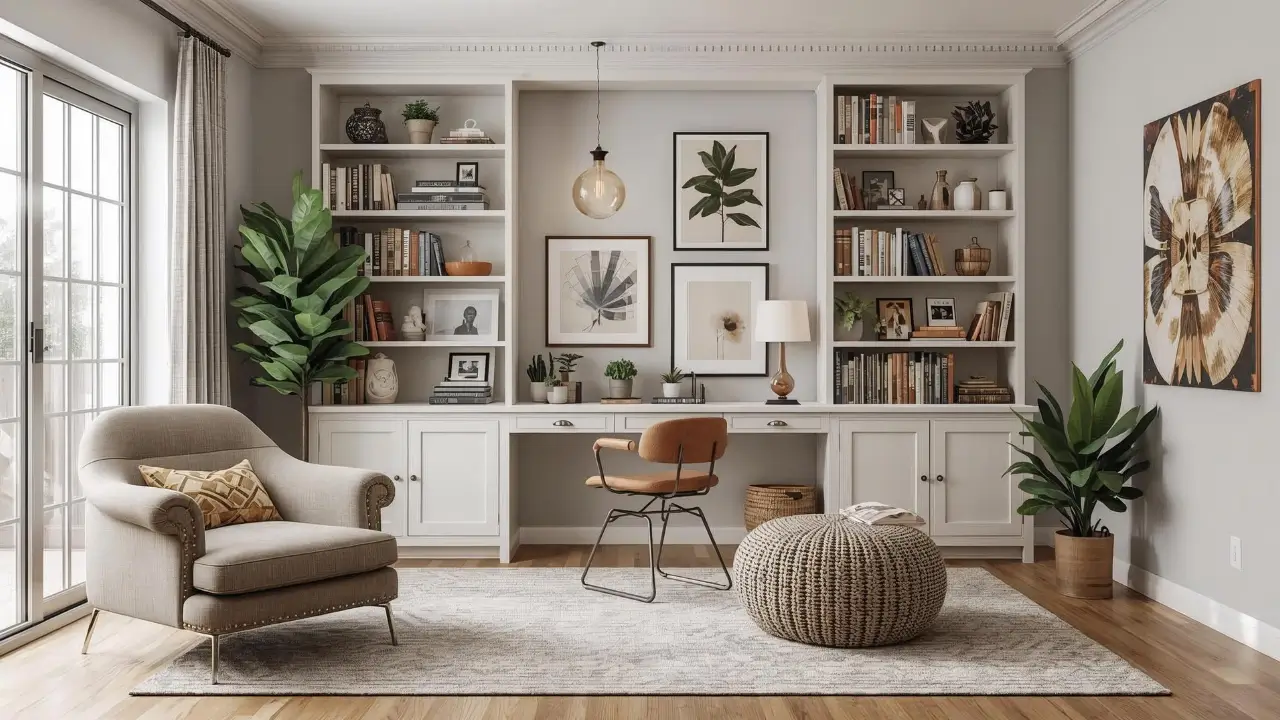
A well designed study room can improve concentration, productivity, and comfort while working or studying at home. The right layout, furniture, lighting, storage, and decor can transform a simple room into a motivating and organized workspace. Whether the space is large, small, shared, or tucked into a quiet corner, thoughtful design choices help create an environment that supports focus and creativity.
These study room ideas combine functionality with modern interior styling to help you design a workspace that feels comfortable, organized, inspiring, and easy to use every day.
Create a Minimal and Organized Study Desk Setup
A clean and simple desk setup helps reduce distractions and keeps the study room looking neat. An organized workspace makes it easier to stay focused on tasks, whether you are reading, writing, studying, or working from home. The goal is to keep essential items close while removing anything that makes the desk feel crowded.
Choose a spacious desk with storage
A desk with drawers or built in storage helps keep stationery, notebooks, and devices organized. Choose a size that fits the room while giving enough surface space for studying comfortably. Drawers, shelves, or side compartments can hide extra supplies and keep the main work area clear.
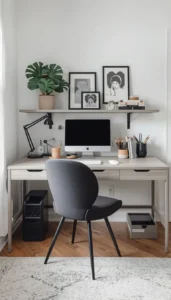
Keep the desk surface clutter free
Only place essential items like a laptop, notebook, and lamp on the desk to maintain a clean workspace. A clutter free surface helps the mind feel calmer and more focused. Store extra papers, chargers, and supplies in drawers or organizers so the desk stays ready for use.
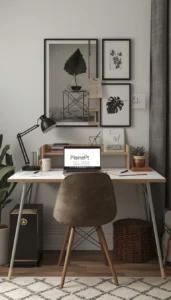
Use desk organizers for small items
Pen holders, trays, and organizers help keep everyday items arranged and easy to reach. They are useful for pens, sticky notes, paper clips, cables, and small office supplies. Choose simple organizers that match the room style so the desk looks neat and intentional.
Use Natural Lighting to Improve Focus
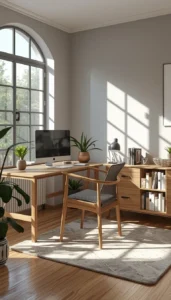
Lighting has a strong effect on productivity and comfort. Natural light helps create a brighter and more refreshing study environment, which can make the room feel more open and pleasant. A good lighting plan should reduce eye strain, support focus, and keep the study area comfortable during different times of day.
Place the desk near a window
Working near natural light helps reduce eye strain and keeps the room feeling open. A window view can also make long study sessions feel less tiring. Place the desk beside or near the window rather than directly facing harsh sunlight, so the screen stays clear.
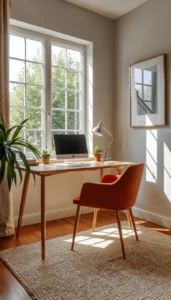
Use light colored curtains for soft light
Thin curtains allow sunlight to enter while preventing glare. Light colored curtains can soften the brightness and make the study room feel calm and airy. White, cream, beige, or pale gray curtains work well because they keep the room bright without making it feel visually heavy.

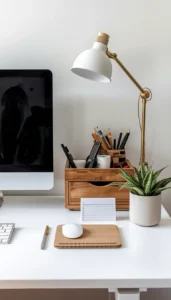
Add a quality desk lamp for evening study
A focused desk lamp ensures proper lighting when natural light is not available. Choose a lamp with adjustable height or direction so you can control where the light falls. Warm white or neutral lighting can make evening study sessions more comfortable and reduce harsh shadows.
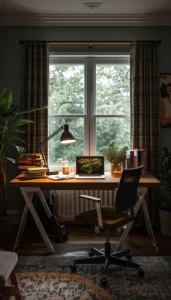
Add Bookshelves for Storage and Style
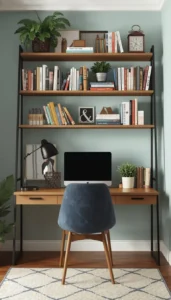
Bookshelves help keep the study room organized while also adding decorative character to the space. They provide a place for books, files, baskets, decor items, and study materials without taking over the desk. Well arranged shelves can make the room feel more structured, useful, and visually balanced.
Install wall mounted shelves to save floor space
Floating shelves provide storage without making the room feel crowded. They are especially helpful in small study rooms where floor space is limited. Use them above the desk, beside a reading corner, or on an empty wall to store books and display simple decor.
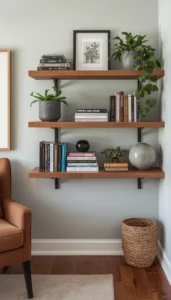
Arrange books and decor items together
Mix books with small plants, frames, or decorative objects for a balanced look. This keeps the shelves from feeling too heavy or plain. Leave small spaces between groups so the display looks clean, and avoid overfilling the shelves with too many items.
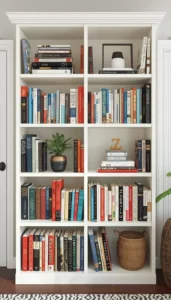
Organize books by category or color
Structured arrangements make it easier to find books and create a visually pleasing display. You can group books by subject, size, purpose, or color depending on your needs. Category based organization is practical, while color coordination creates a cleaner and more styled appearance.

Use Comfortable Seating for Long Study Sessions
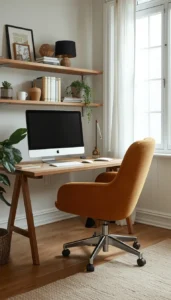
A comfortable chair can make a big difference in productivity and posture during long study hours. Since the study room is used for focused work, seating should support the back, shoulders, and arms properly. A good chair helps you stay comfortable without constantly shifting or losing concentration.
Choose an ergonomic study chair
An adjustable chair with back support helps maintain proper posture. Look for a chair with seat height adjustment, supportive backrest, and comfortable arm placement. The chair should allow your feet to rest flat and your desk height to feel natural while writing or typing.
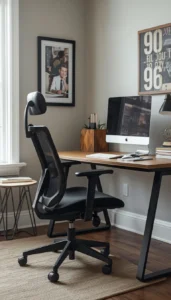
Add a cushion or lumbar support
Extra support increases comfort and reduces strain during extended work sessions. A lumbar cushion can support the lower back, while a seat cushion can make a firm chair more comfortable. These small additions are useful when replacing the whole chair is not possible.
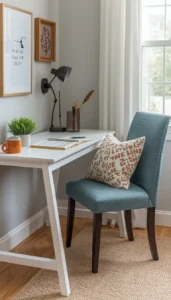
Select breathable materials for seating
Fabric or mesh chairs help keep the seating comfortable for longer periods. Breathable materials are useful in warm rooms or during long study sessions because they prevent the chair from feeling too heavy. Choose durable fabric, mesh, or soft upholstery that matches the room decor.
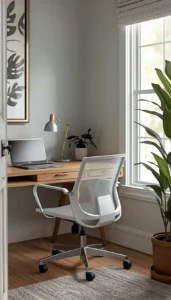
Decorate the Study Room with Inspiring Wall Art
Decor elements can make the study room feel more motivating and personalized without creating distractions. Wall art should support the mood of the workspace rather than make it feel busy. Simple prints, calm colors, and meaningful pieces can add character while keeping the room focused and balanced.
Keep wall decor balanced and uncluttered
A few carefully chosen pieces work better than filling every wall. Too much decor can make the study room feel distracting and visually crowded. Leave enough blank space around frames or prints so the room feels calm, organized, and easy to concentrate in.
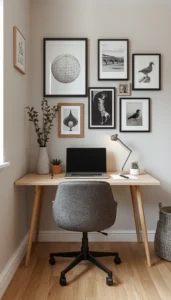
Match frames with the room color palette
Consistent colors help create a harmonious interior design. Match frames with the desk, shelves, chair, or lighting fixtures for a polished look. Black, white, wood, gold, or neutral frames can work well depending on the style of the study room.
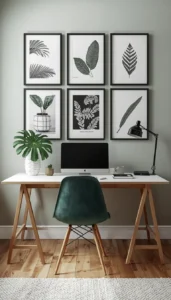
Include Plants for a Fresh and Relaxing Environment
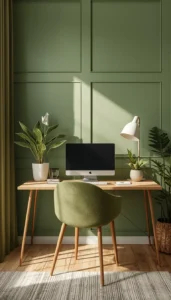
Adding greenery to a study room can improve the atmosphere and make the space feel more comfortable. Plants bring softness, natural color, and a refreshing touch to the workspace. Even a small plant can make the room feel calmer, especially when paired with natural light and simple decor.
Place small plants on the desk or shelves
Compact plants add life to the workspace without taking up too much room. Place them in a corner of the desk, on floating shelves, or near a window where they can get suitable light. Keep the size small so the plant adds freshness without reducing work space.
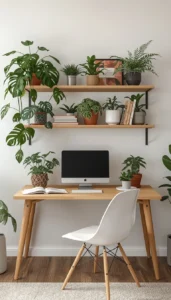
Choose low maintenance indoor plants
Plants that require minimal care are ideal for busy study routines. Snake plants, pothos, peace lilies, or artificial greenery can work well depending on the light level. Low maintenance choices help keep the room fresh without adding extra stress or daily care tasks.
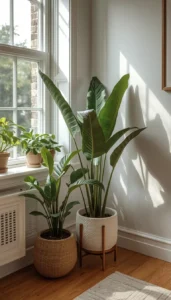
Use simple planters that match the decor
Neutral or modern planters keep the study room design cohesive. White, black, beige, ceramic, clay, or wood tone planters can blend easily with desks and shelves. Simple containers allow the greenery to stand out while keeping the overall workspace clean and stylish.
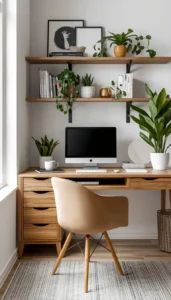
Design a Study Room That Inspires Productivity
A thoughtfully designed study room can make learning and working more enjoyable. By combining organized desk setups, comfortable seating, natural lighting, bookshelves, wall art, and simple greenery, you can create a workspace that supports focus and creativity. When the environment feels calm and organized, it becomes easier to stay motivated and productive.
Focus on furniture that fits the room, storage that reduces clutter, and decor that feels inspiring without becoming distracting. With the right balance of comfort, style, and function, your study room can support daily tasks and long term goals beautifully.
