
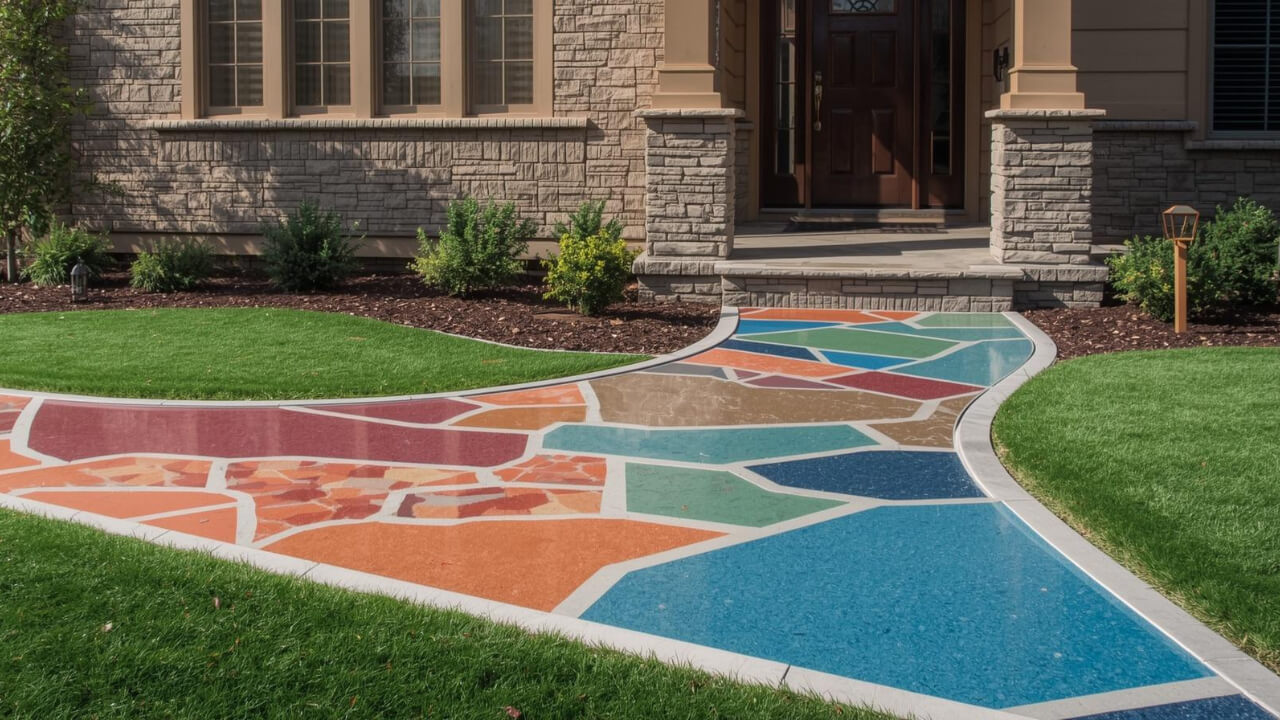
Outdoor concrete surfaces are no longer limited to plain gray finishes, as color has become a powerful way to transform patios, driveways, walkways, and backyard areas into visually appealing spaces. With the right shades and techniques, concrete can look warm, modern, and beautifully connected to the surrounding environment. Color can soften hard surfaces, define zones, and add personality without needing major structural changes. Whether you prefer natural tones, bold finishes, or decorative patterns, these concrete color ideas for outdoor spaces can help you create a setting that feels fresh, inviting, durable, and full of character.
Whether you prefer natural tones or bold designs, these concrete color ideas for outdoor spaces will help you create a setting that feels fresh, inviting, and full of character.
Neutral Concrete Colors for a Clean and Timeless Look
Neutral tones remain a top choice because they create a versatile base that works well with almost any outdoor style while maintaining a calm and balanced appearance. These colors are easy to pair with wood, stone, greenery, metal furniture, and outdoor textiles. Neutral concrete also helps patios, paths, and seating areas feel clean, open, and refined.
Use Warm Beige and Soft Sand Shades
Beige and sand tones add warmth to outdoor spaces while keeping the look light and welcoming, making them ideal for patios and seating areas. These shades work well with natural wood furniture, woven accents, cream cushions, and potted plants. They also soften the strong appearance of concrete.
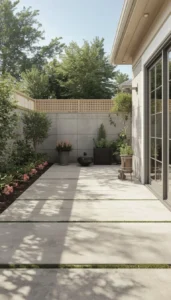
Choose Light Gray for a Modern Finish
Light gray offers a sleek and contemporary feel that pairs beautifully with greenery and modern outdoor furniture. It keeps the space bright while still feeling polished and structured. Light gray concrete is especially useful for patios, driveways, and walkways where you want a simple, clean foundation.
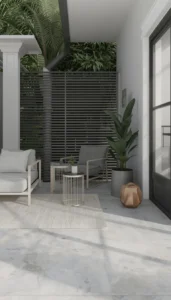
Blend Neutral Tones for a Layered Effect
Combining slightly different neutral shades creates depth and avoids a flat or dull surface while still maintaining simplicity. A mix of beige, taupe, pale gray, and soft brown can make concrete feel more natural. This layered effect works well in large outdoor areas where one solid color may feel too plain.
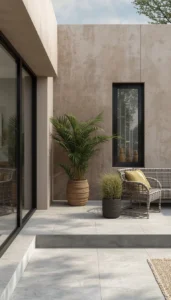
Earthy Tones That Blend with Nature
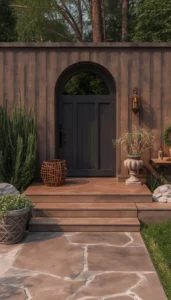
Earth inspired colors help concrete surfaces feel more connected to the natural surroundings, making them ideal for gardens, patios, and backyard settings. These tones create warmth and harmony while blending with plants, mulch, stone, and wood. Earthy concrete colors can make outdoor spaces feel grounded, relaxed, and more inviting.
Use Terracotta and Clay Inspired Colors
Warm reddish tones bring a rustic and cozy feel that complements plants, wood, and outdoor decor elements. Terracotta and clay inspired concrete can make patios or walkways feel more welcoming. These shades work beautifully with Mediterranean, farmhouse, desert, and garden style outdoor spaces.
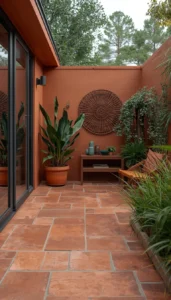
Add Olive and Muted Green Hues
Soft green shades blend naturally with landscaping and create a calming and organic look. Olive and muted green tones can help concrete feel less harsh and more connected to nearby plants. Use these shades in garden paths, seating corners, or outdoor areas surrounded by dense greenery.
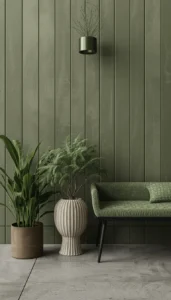
Incorporate Brown Undertones for Warmth
Brown based tones add richness and make the outdoor space feel grounded and comfortable. Concrete with warm brown undertones pairs well with wood fencing, stone borders, fire pits, and earthy furniture. This color choice is especially effective when you want a cozy backyard design with a natural feel.
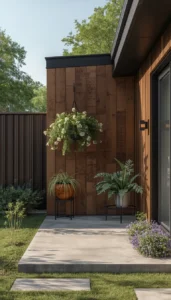
Bold Concrete Colors for a Statement Outdoor Design
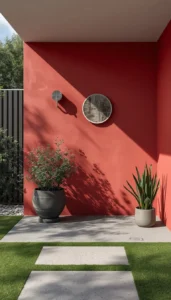
If you want your outdoor space to stand out, bold colors can turn concrete surfaces into a striking design feature. Stronger shades work best when used with balance, especially in patios, feature zones, or modern backyard layouts. A bold concrete color can create contrast, define a focal point, and give the space a more custom look.
Use Deep Charcoal or Black Finishes
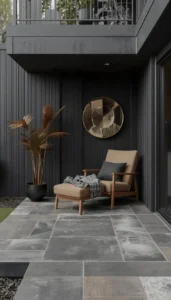
Dark shades create a dramatic look while adding contrast to lighter elements like furniture or walls. Charcoal and black concrete can feel sleek, modern, and elegant when paired with warm lighting, greenery, or wood accents. These tones also help define outdoor seating areas with strong visual impact.
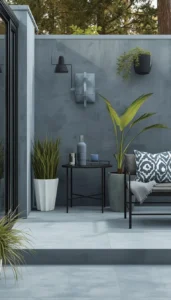
Try Soft Blue or Cool Toned Surfaces
Muted blue tones bring a refreshing and modern touch that works well in contemporary outdoor areas. Soft blue concrete can create a calm atmosphere near pools, patios, or garden paths. Pair it with white, gray, or natural wood accents to keep the overall design balanced and stylish.
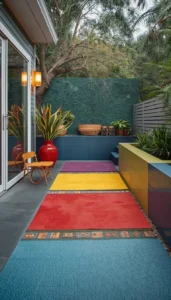
Add Accent Colors in Specific Zones
Using bold colors in sections such as pathways or seating areas creates visual interest without overwhelming the entire space. A colored border, small patio section, or decorative concrete panel can add personality. This approach lets you experiment with strong shades while keeping the main outdoor area calm and cohesive.
Stained Concrete Finishes for a Natural Texture
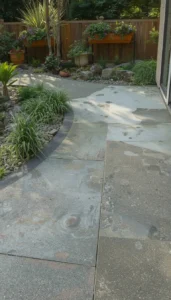
Concrete staining techniques allow you to achieve a more natural and varied appearance while enhancing the overall look of the surface. Stains can create depth, movement, and soft color variation that paint alone may not provide. This finish works well when you want concrete to feel more organic, textured, and visually rich.
Use Acid Stain for Unique Patterns
Acid staining creates organic variations in color, giving the surface a one of a kind finish that looks rich and textured. The result often includes soft marbling, natural shading, and subtle movement. This technique works well for patios, courtyards, and walkways where character is important.
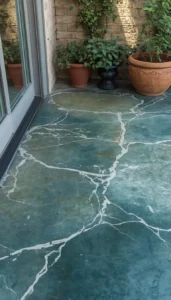
Try Water Based Stains for Subtle Effects
These stains provide softer color tones and allow more control over the final appearance. Water based stains are available in many shades, making them useful for both neutral and colorful designs. They are a good option when you want a cleaner, more predictable finish with gentle variation.

Combine Multiple Stains for Depth
Layering different stains can create a multidimensional look that adds visual complexity and interest. You can blend warm browns with soft grays or combine earthy tones with subtle accent shades. This method helps concrete surfaces feel more natural and less flat, especially in larger spaces.
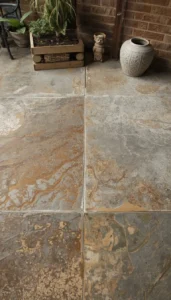
Two Tone and Patterned Concrete Designs
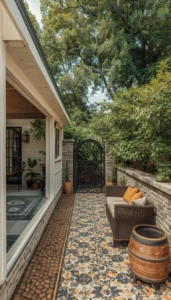
Adding patterns and color combinations helps turn simple concrete into a decorative feature that enhances the outdoor layout. Two tone designs can define zones, guide movement, or highlight architectural details. Patterns also make patios, paths, and driveways feel more styled while still keeping the surface practical and durable.
Create Geometric Patterns with Color Contrast
Simple shapes or lines in different shades add structure and make the surface visually engaging. Geometric patterns work well in modern patios, walkways, and courtyard areas. Use clean contrast between light and dark tones to create definition while keeping the design organized and easy to view.
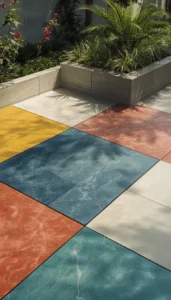
Use Borders to Define Areas
Contrasting edges around patios or pathways create a clean and organized appearance. Borders can separate seating zones, garden paths, or driveway sections while adding a polished finish. A darker border around a lighter concrete surface can make the design feel more intentional and complete.
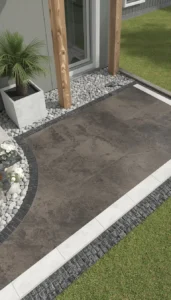
Mix Light and Dark Shades for Balance
Combining tones helps highlight specific areas while maintaining harmony across the space. Light shades can brighten the surface, while deeper colors add structure and depth. This balance works beautifully for patterned patios, outdoor dining areas, and walkways that need both style and clarity.
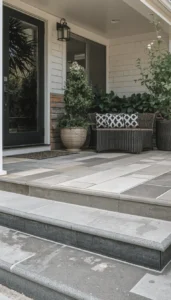
Sealed and Finished Concrete for Long Lasting Color
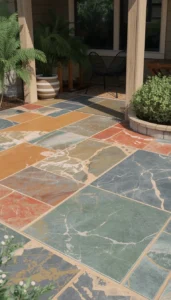
Proper finishing ensures that the color remains vibrant while protecting the surface from outdoor elements. Sun, rain, foot traffic, and stains can affect concrete over time, so sealing and maintenance are important. A good finish helps preserve the color, improve durability, and keep the surface looking clean and well cared for.
Apply a Protective Sealer for Durability
Sealers help preserve the color and protect against wear, stains, and weather damage. They create a barrier that supports the concrete surface and helps reduce fading. Choose a sealer suitable for outdoor use and reapply as needed based on traffic, climate, and exposure.
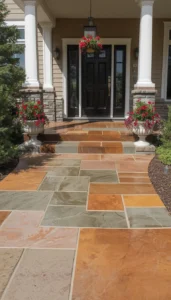
Choose Matte or Gloss Finishes
Matte finishes create a natural look while glossy finishes enhance color depth and reflect light. A matte finish works well for earthy or neutral concrete, while gloss can make bold colors look richer. Select the finish based on the mood you want and the level of shine that suits your space.
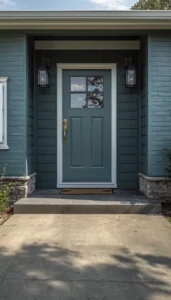
Maintain Regular Cleaning for Longevity
Keeping the surface clean helps maintain its appearance and prevents fading over time. Sweep away leaves, dirt, and debris regularly, and wash the concrete with gentle cleaning methods when needed. Regular care keeps colored concrete looking fresh and helps the finish last longer in outdoor conditions.
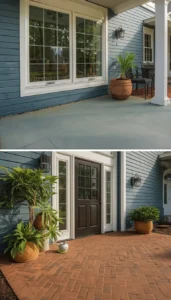
Transform Your Outdoor Space with the Right Concrete Colors
Choosing the right concrete color can completely change how your outdoor space feels and functions. From soft neutrals and earthy tones to bold shades, stains, patterns, and protective finishes, each option offers a unique way to enhance a patio, walkway, driveway, or backyard area. The best design should match your outdoor style, surrounding landscape, and everyday needs. By combining thoughtful color choices with durable finishes and balanced patterns, you can create concrete surfaces that feel stylish, practical, welcoming, and beautifully connected to your home.
