
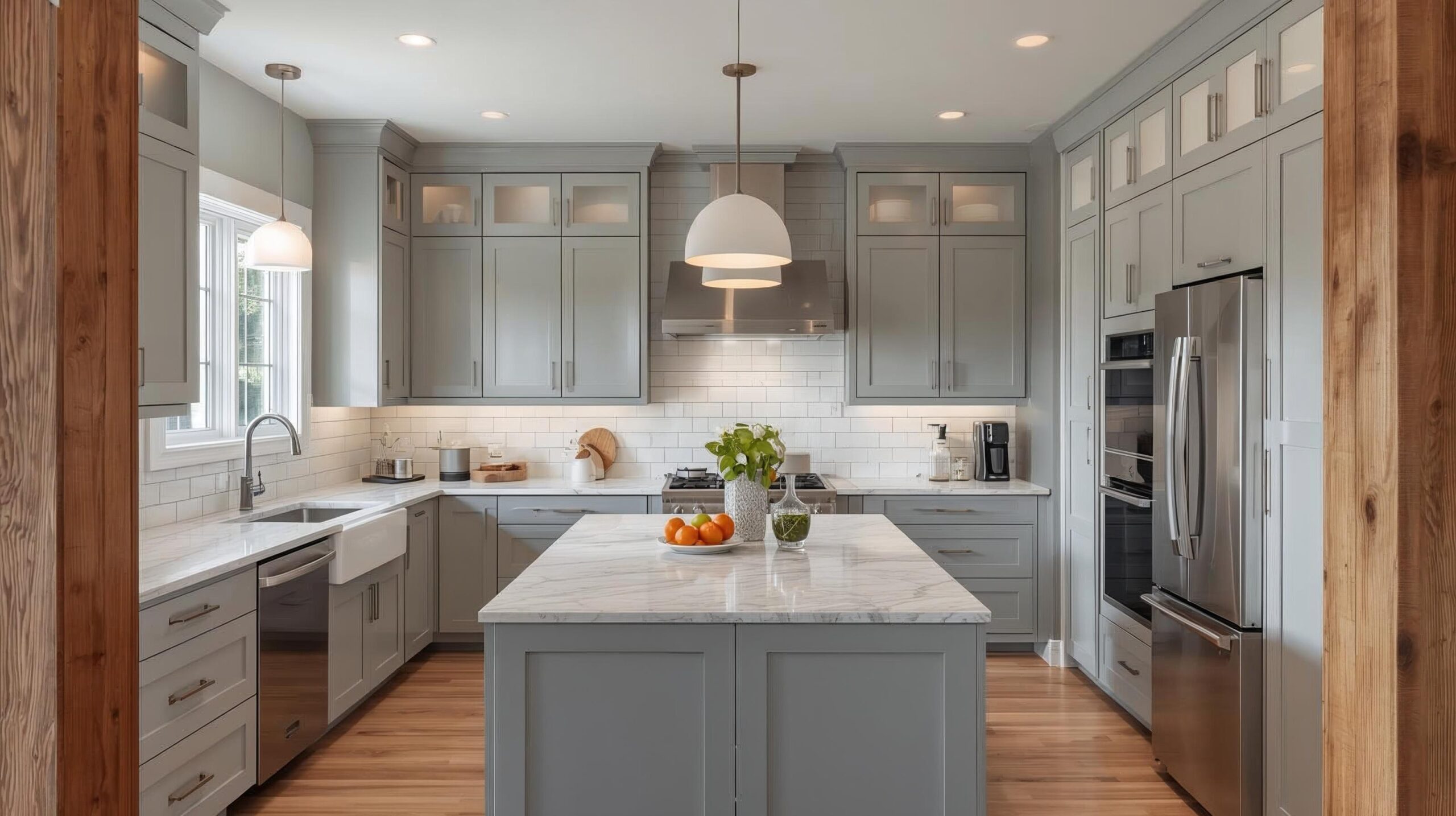
A well designed kitchen brings together beauty, comfort, and everyday practicality. The most inspiring kitchen design ideas focus on layouts that work smoothly, materials that feel warm, and details that elevate daily routines. From modern updates to timeless elements, a stylish kitchen should feel easy to use, welcoming to gather in, and visually connected to the rest of the home. Whether you are planning a full remodel or refreshing key features, these ideas can help you create a kitchen that feels functional, balanced, and inviting every day.
Open Concept Kitchen Layouts
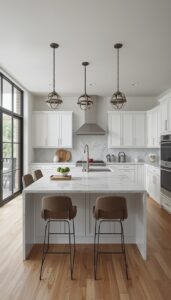
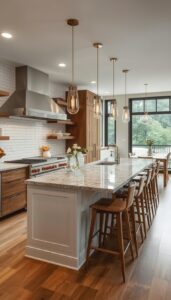
Open kitchens continue to be a favorite because they create a sense of flow and connection. They allow cooking, dining, and gathering areas to feel linked, making the kitchen more social and practical for daily life. The best open concept kitchens still have structure, so the space feels organized instead of undefined. Thoughtful zoning, consistent materials, and hidden storage help the room feel open while remaining highly functional.
Create Clear Zones
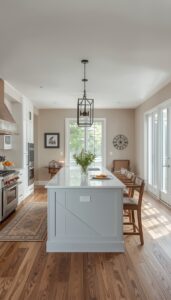
Define cooking, prep, and dining areas with islands, rugs, or lighting so the space feels organized. Clear zones help an open kitchen work smoothly without walls. A pendant light over the island, a dining table nearby, or a dedicated prep counter can make each area feel purposeful while keeping the layout connected.
Keep Sightlines Clean
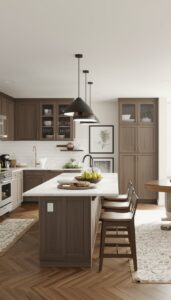
Use cohesive colors and finishes to maintain visual harmony across connected areas. Since open kitchens are visible from nearby rooms, the design should feel consistent. Repeating cabinet colors, flooring tones, metal finishes, or wood accents helps the kitchen blend naturally with dining and living spaces.
Balance Openness With Storage
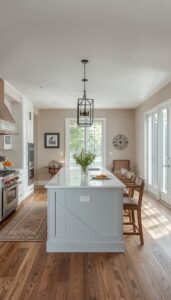
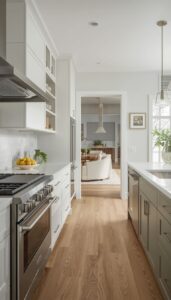
Incorporate hidden storage so the kitchen stays clutter free while remaining open. Cabinets, drawers, appliance garages, and pantry storage help keep daily items out of sight. This keeps counters clear and allows the open layout to feel calm, spacious, and easy to enjoy.
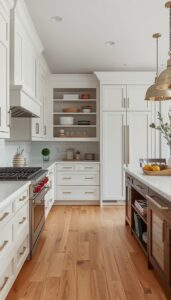
Kitchen Islands as the reveal point
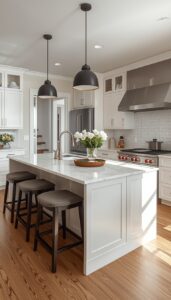
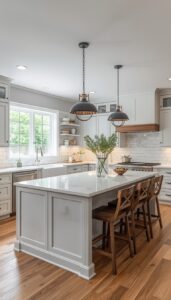
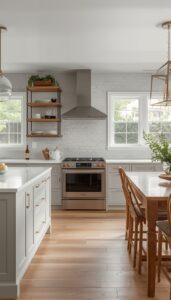
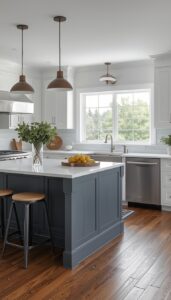
Kitchen islands are more than workspaces, they are design features that anchor the room. A well planned island can serve as a prep zone, casual dining spot, storage area, and visual centerpiece. Because it often sits at the center of the kitchen, the island should feel both practical and stylish. Its finish, size, seating, and countertop material can shape the entire room’s mood.
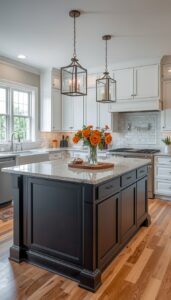
Choose a Statement Island Finish
Contrast the island cabinetry with the rest of the kitchen to add depth and interest. A darker island in a light kitchen or a warm wood island with painted cabinets can create a strong focal point. Keep the finish connected to nearby tones so the contrast feels intentional rather than disconnected.
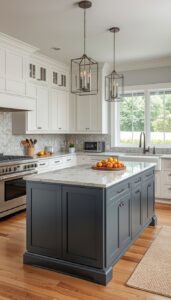
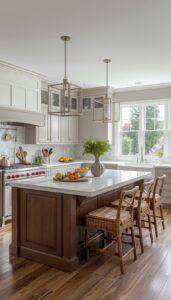
Add Seating for Everyday Use
Comfortable seating turns the island into a gathering spot for meals and conversations. Choose stools that fit neatly under the counter and allow enough space for movement. Upholstered, wood, or metal stools can add style while making the kitchen more useful for breakfast, coffee, homework, or casual chats.
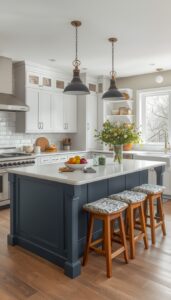
Focus on Functional Surfaces
Select durable countertops that handle cooking, prep, and daily wear with ease. Island surfaces often see heavy use, so materials should be easy to clean and strong enough for everyday tasks. Quartz, stone, butcher block, or solid surfaces can all work depending on your style and maintenance preferences.
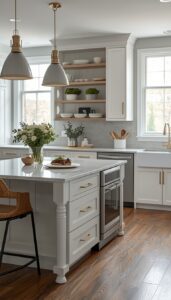
Warm Neutral Color Schemes
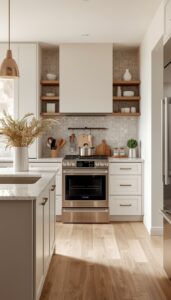
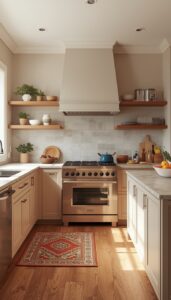
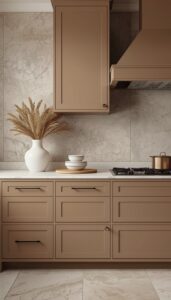
Neutral kitchens are shifting toward warmer tones that feel inviting rather than stark. Instead of cold whites or flat grays, many homeowners are choosing creamy shades, soft beige, warm taupe, and gentle greige. These colors create a cozy foundation while still keeping the kitchen bright and timeless. A warm neutral palette also works well with wood, stone, metal, and textured finishes.
Use Creamy and Soft Beige Shades
Warm neutrals create a cozy base that works with many design styles. Cream, oatmeal, beige, and soft greige can be used on cabinets, walls, backsplashes, or textiles. These shades make the kitchen feel calm and welcoming while allowing other details, such as lighting or hardware, to stand out.

Layer Tones for Dimension
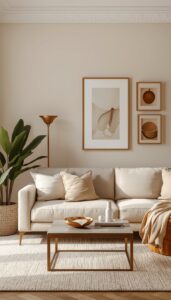
Combine light and medium neutrals to avoid a flat or washed out look. A creamy wall, beige cabinets, and warm stone counters can create quiet depth. Layering similar tones makes the kitchen feel more designed and helps neutral colors look rich instead of plain.

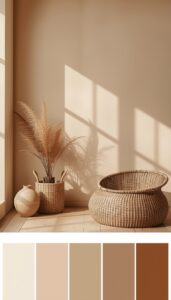
Add Texture for Interest
Use textured finishes like matte cabinets or stone surfaces to enhance warmth. Texture gives a neutral kitchen personality without relying on bold color. Handmade tile, natural stone, woven stools, wood grain, and soft fabric accents can all add visual interest while keeping the room peaceful.
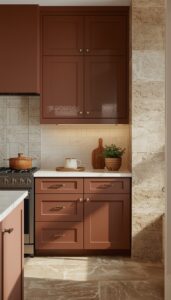
Modern Cabinetry With Clean Lines
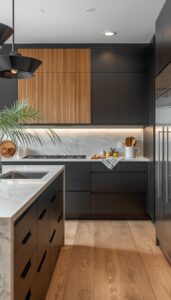

Cabinet design plays a major role in shaping the kitchen’s overall style. Clean cabinetry creates a calm, organized look and supports a functional layout. Whether you prefer modern flat doors or classic shaker cabinets, the best designs feel simple, durable, and easy to maintain. Thoughtful cabinet planning also helps improve storage and reduce countertop clutter.
Opt for Flat or Shaker Style Doors
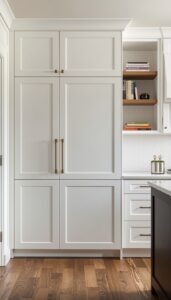
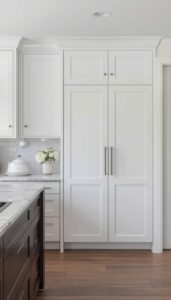
Simple door styles create a clean and timeless appearance. Flat front cabinets feel sleek and modern, while shaker doors offer a classic look that works in many homes. Both options create a neat backdrop and allow hardware, counters, lighting, and backsplash details to stand out.
Use Handle Free or Minimal Hardware
Sleek hardware keeps cabinetry looking modern and uncluttered. Slim pulls, small knobs, or integrated handles can make cabinets feel refined without sacrificing function. Choose hardware finishes that connect with faucets, lighting, or appliances so the kitchen feels cohesive.
Maximize Storage Height
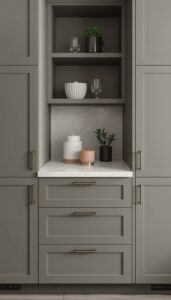
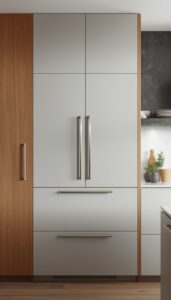
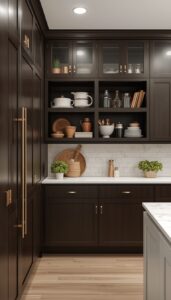
Tall cabinets make the most of vertical space and keep items neatly stored. Extending cabinets toward the ceiling reduces wasted space and creates a more finished look. Upper storage is perfect for seasonal dishes, extra pantry items, or appliances that are not used every day.
Stylish and Practical Backsplash Ideas

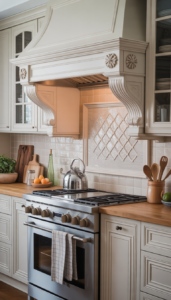
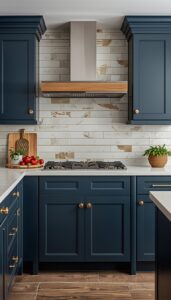
Backsplashes are becoming a focal point in kitchen design. They protect walls while adding color, texture, and personality to the room. A good backsplash should be beautiful but also easy to clean and suited to daily cooking. From subtle patterns to full height tile, backsplash choices can make a kitchen feel polished and intentionally styled.
Choose Tile With Subtle Pattern
Soft patterns add character without overwhelming the space. Tiles with gentle movement, handmade edges, or light texture can make the kitchen feel more custom. Choose patterns that complement the cabinets and counters so the backsplash enhances the design rather than competing with it.

Use Full Height Backsplashes
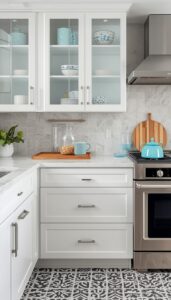
Extending tile to the cabinets creates a polished and cohesive look. Full height backsplashes work especially well behind ranges, sinks, or open shelves. This approach adds visual impact while making the wall easier to clean, giving the kitchen a more finished and elevated feeling.
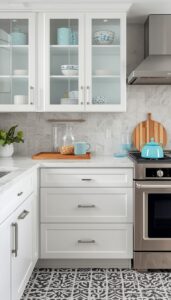
Match Backsplash With Countertops
Coordinated materials help the kitchen feel intentional and balanced. A backsplash that repeats the countertop material can create a seamless look, while complementary tile can add gentle contrast. Matching undertones is important so the surfaces feel connected and harmonious.


Natural Materials and Wood Accents
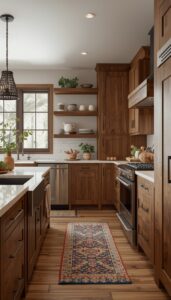
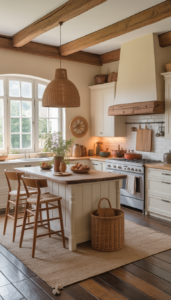
Natural elements bring warmth and timeless appeal to kitchens. Wood, stone, metal, and woven textures help a kitchen feel grounded and comfortable. These materials soften modern finishes and add a sense of authenticity. Even small natural accents can make the space feel more welcoming and visually layered.
Add Wood Through Cabinets or Shelves
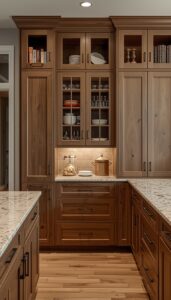
Wood tones soften modern designs and add visual interest. Wood cabinetry, open shelves, stools, or cutting boards can bring warmth to neutral kitchens. Light oak feels airy, walnut adds richness, and reclaimed wood brings rustic character. Choose a tone that works with your flooring and overall palette.

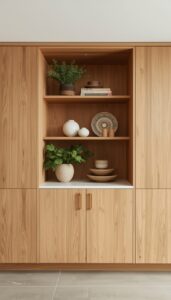
Mix Natural Materials Thoughtfully
Combine wood with stone or metal for a layered look. A wood island, stone counters, and metal lighting can create a balanced kitchen with depth. The key is repeating each material in small ways so the design feels connected and not overly mixed.
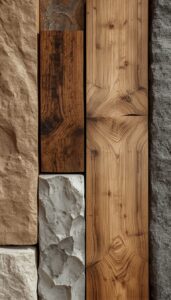

Keep Finishes Consistent
Stick to a similar tone family so the space feels cohesive. If your kitchen uses warm wood, choose metals, stone, and tile with compatible undertones. Consistency keeps natural materials from looking mismatched and helps the kitchen feel calm, polished, and intentionally designed.
Smart Storage and Organization Solutions
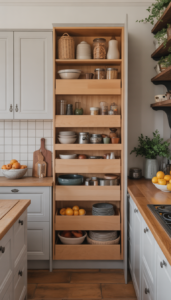
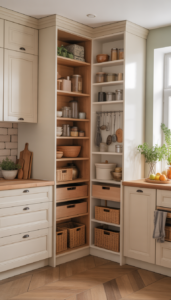
A beautiful kitchen also needs to function effortlessly. Smart storage makes cooking easier, keeps surfaces clear, and helps every item have a place. Good organization is especially important in busy kitchens where dishes, pantry items, appliances, and tools can quickly create clutter. Practical storage solutions make the room feel more peaceful and efficient.
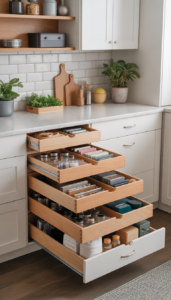
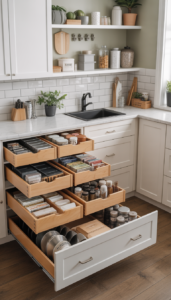
Use Pull Out Drawers and Inserts
Organized drawers make daily tasks easier and reduce clutter. Pull out trays, utensil inserts, spice racks, and deep drawers help keep items visible and accessible. These features are useful because they prevent wasted cabinet space and make cooking routines smoother.
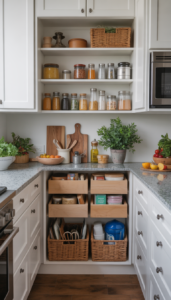
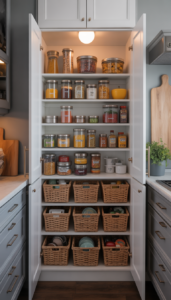
Incorporate Pantry Storage
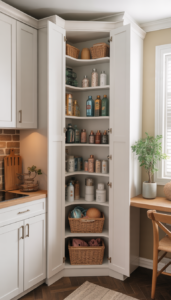
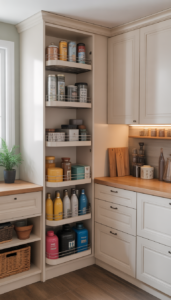
Dedicated pantry space keeps countertops clear and essentials accessible. A walk in pantry, cabinet pantry, or pull out pantry can store dry goods, small appliances, and everyday supplies. Keeping these items organized makes the main kitchen feel cleaner and easier to use.
Take Advantage of Corner Storage
Corner cabinets with rotating shelves maximize unused space. Lazy Susans, pull out corner drawers, and angled storage can make awkward areas more functional. These solutions help you use the full kitchen layout efficiently while keeping pots, pans, and pantry items easier to reach.
Lighting That Enhances Design and Use
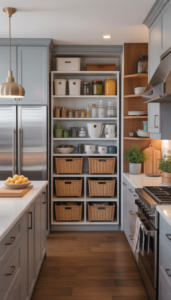
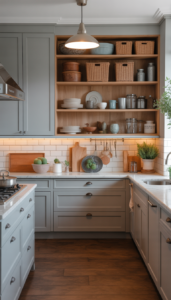
Lighting influences both the look and function of a kitchen. A well lit kitchen supports cooking, cleaning, dining, and gathering while also highlighting beautiful materials. The strongest lighting plans include more than one source, creating brightness where needed and warmth where desired. Good lighting can make a kitchen feel more inviting, polished, and practical.
Layer Different Light Sources
Combine ceiling lights, task lighting, and accent lighting for balance. Overhead lights brighten the room, under cabinet lights help with prep work, and decorative lighting adds atmosphere. Layering makes the kitchen more flexible and allows you to adjust the mood throughout the day.
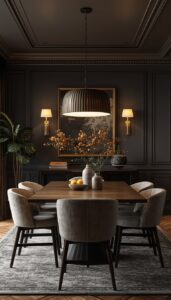
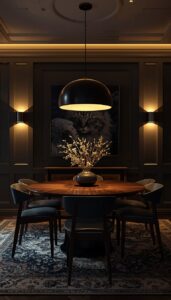
Use Pendant Lights Over Islands
Pendants add style and highlight key areas. They help define the island as a focal point and provide useful light for meals or prep work. Choose pendants that match the scale of the island and connect with other finishes, such as hardware, faucets, or cabinet tones.
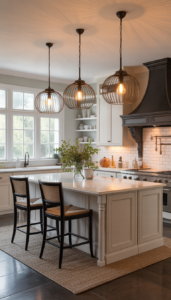
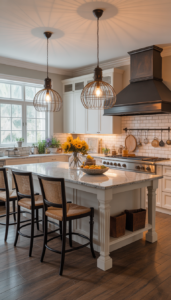
Choose Warm Light Tones
Warm lighting enhances finishes and creates a welcoming atmosphere. Soft warm bulbs make wood, stone, tile, and neutral colors look richer. Avoid lighting that feels too cool or harsh, especially in kitchens with warm palettes, because it can make the space feel less comfortable.
Bring the Kitchen Design Together With Thoughtful Details
Great kitchen design comes down to thoughtful choices that blend style with everyday needs. By combining smart layouts, warm materials, functional storage, layered lighting, and balanced finishes, you can create a kitchen that feels both beautiful and practical. Start with a layout that supports how you cook and gather, then choose colors, cabinets, backsplashes, and surfaces that feel cohesive. Small details like hardware, open shelving, island seating, and organized storage can make the room feel more personal and complete. With the right balance, your kitchen can become a stylish, inviting, and highly usable space for daily life.
More Decor Ideas You’ll Love
- 2026 Kitchen Trends with Inspiring Decor Ideas for Stylish Homes
- Small Vanity Ideas for Bedroom That Save Space and Look Stylish
- Whimsical Bedroom Ideas That Feel Magical and Stylish
- Whimsical Bedroom Ideas That Feel Magical and Stylish
- Cozy Scandinavian Living Room Ideas That Feel Calm and Inviting
