
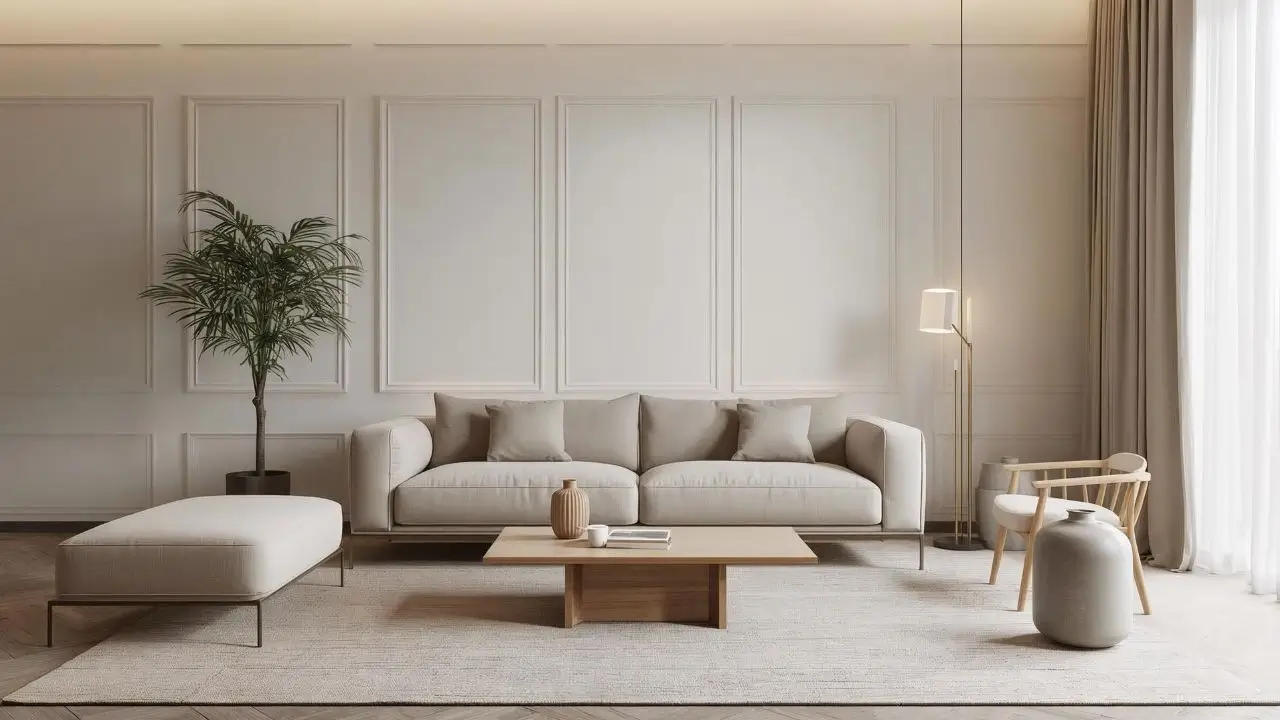
A minimalist living room is designed to feel peaceful, balanced, and uncluttered. This style focuses on simplicity, functionality, and thoughtful design choices that create a calm atmosphere without feeling cold or empty. When done right, minimalist living rooms feel warm, modern, and effortlessly stylish. The goal is not to remove personality, but to choose each piece with care so the space feels open, useful, and visually refined. These minimalist living room ideas highlight practical ways to design a space that feels inviting, comfortable, and beautifully intentional.
These minimalist living room ideas highlight practical ways to design a space that feels open, inviting, and visually refined.
Neutral Color Palettes That Create Serenity
Color is the foundation of minimalist design. A soft, controlled palette helps the living room feel calm and visually clean. Neutral shades also make furniture, lighting, and natural materials feel more connected. Instead of using many competing colors, minimalist spaces rely on gentle tones, subtle contrast, and quiet balance.
Use soft neutral tones
White, beige, warm gray, and taupe create a calm base. These shades work well on walls, sofas, curtains, and rugs because they feel light and easy to live with. Warmer neutrals also keep the room from feeling too stark or cold.
Keep the palette limited
Fewer colors help the space feel cohesive. Choose two or three main tones and repeat them throughout the room. A limited palette makes the living room feel more organized and allows shape, texture, and proportion to stand out naturally.
Add contrast subtly
Use darker accents sparingly for depth. A black lamp, charcoal pillow, dark wood table, or simple frame can ground the room. Small contrasts prevent the space from feeling flat while still keeping the minimalist atmosphere calm and refined.
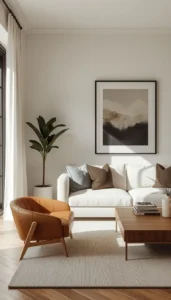
Simple Furniture With Clean Lines
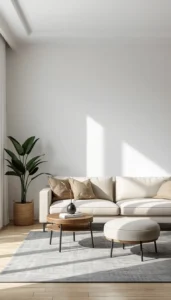
Furniture defines the minimalist aesthetic. The best pieces feel practical, comfortable, and visually light. Clean lined furniture helps the room look open while still serving everyday needs. Instead of filling the space with extra pieces, choose furniture that supports comfort, movement, and a balanced layout.
Choose low profile designs
Sleek shapes feel modern and open. Low sofas, simple coffee tables, and slim media units can make the living room feel more spacious. These designs keep the eye moving across the room and help create a relaxed, uncluttered look.
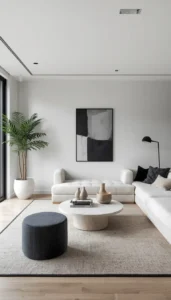
Focus on function and comfort
Every piece should serve a purpose. A minimalist living room still needs to be comfortable for relaxing, reading, or gathering. Choose furniture that looks simple but feels supportive, useful, and easy to enjoy every day.
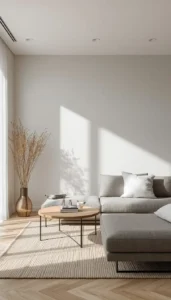
Avoid bulky furniture
Slim silhouettes maintain visual flow. Oversized or heavy pieces can make the room feel crowded, even with minimal decor. Choose furniture with lighter profiles, raised legs, or simple shapes so the space feels airy and balanced.
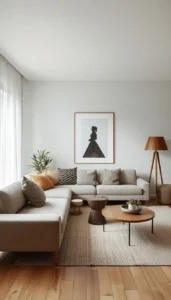
Thoughtful Layouts That Enhance Openness
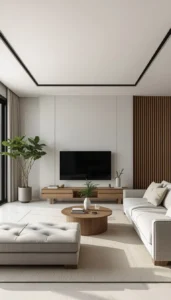
A clean layout supports minimalist living. Furniture placement should make the room easy to move through and pleasant to use. A thoughtful layout allows each piece to breathe, creates better flow, and helps the living room feel calm instead of crowded or overly arranged.
Leave breathing room between furniture
Space improves movement and calm. Leaving open areas around sofas, chairs, and tables makes the room feel lighter. This also helps each piece feel more intentional, rather than squeezed into the space without purpose.
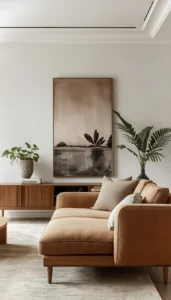
Arrange seating intentionally
Balanced placement feels organized. Position sofas and chairs so the room supports conversation and relaxation. A simple arrangement around a coffee table, fireplace, or focal wall can create structure while keeping the design visually quiet.
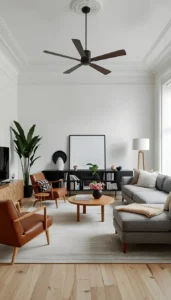
Keep walkways clear
Open paths make the room feel larger. Avoid blocking doors, windows, or main routes with furniture. Clear walkways make the living room easier to use and support the peaceful feeling that minimalist design is known for.
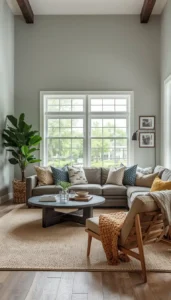
Minimal Decor With Maximum Impact
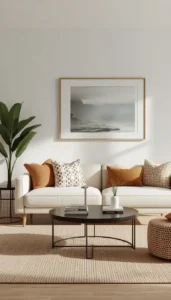
Decor should feel intentional, not excessive. In a minimalist living room, fewer pieces can create a stronger effect when each item is chosen carefully. The right decor adds personality, shape, and focus without making surfaces feel crowded or distracting from the room’s calm atmosphere.
Use one statement decor piece
Artwork or sculptural decor creates focus. A large vase, simple artwork, ceramic bowl, or sculptural object can add personality without clutter. One strong piece often feels more refined than several small items placed together.
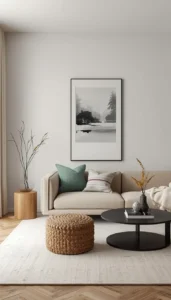
Avoid cluttered surfaces
Clear surfaces enhance simplicity. Coffee tables, consoles, and shelves should have room to breathe. Keep only a few useful or beautiful items visible, and store everyday clutter out of sight to maintain a clean and restful look.
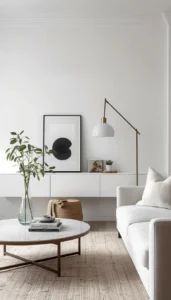
Choose decor with clean shapes
Simple forms suit minimalist spaces. Rounded vases, smooth bowls, linear frames, and geometric objects work well because they add interest without visual noise. Clean shapes help the room feel modern, calm, and thoughtfully styled.
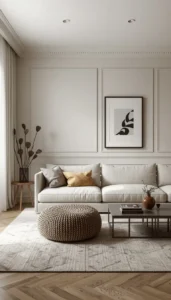
Natural Materials for Warmth and Balance
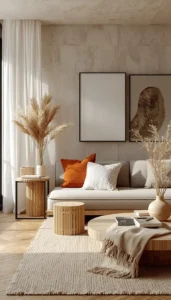
Natural textures prevent minimalism from feeling cold. Wood, stone, ceramic, linen, and cotton bring softness and warmth into a simple room. These materials add depth without relying on bold colors or heavy decoration, helping the living room feel grounded, comfortable, and welcoming.
Add wood accents
Wood tones bring warmth. A wood coffee table, side table, shelf, or picture frame can soften a neutral room. Light wood feels airy and modern, while medium wood adds depth and a cozy natural touch.
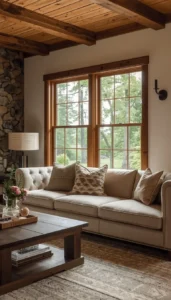
Use stone or ceramic decor
Organic textures add interest. Stone trays, ceramic vases, clay bowls, or textured planters can bring quiet character to the space. These pieces feel simple and timeless, making them ideal for minimalist living room decor.
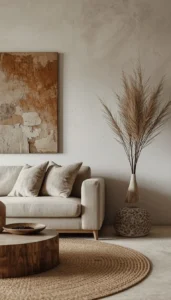
Choose natural fabrics
Linen and cotton soften the space. Natural fabric curtains, pillows, or upholstery make the room feel more relaxed and breathable. These materials add gentle texture while keeping the overall design calm and uncluttered.
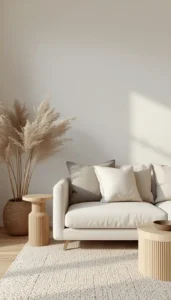
Minimalist Lighting That Feels Soft
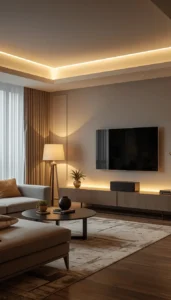
Lighting shapes the mood of the room. A minimalist living room should feel bright, warm, and comfortable without relying on harsh fixtures. Simple lighting choices can highlight clean lines, soften corners, and create a welcoming atmosphere during both daytime and evening use.
Use layered lighting
Floor and table lamps add warmth. Instead of depending only on one ceiling light, use lamps to create softer pools of light. Layered lighting makes the living room feel more comfortable and visually balanced.
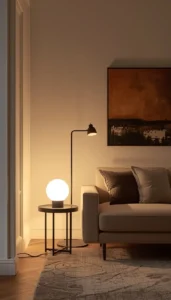
Choose warm light tones
Soft light keeps the room inviting. Warm bulbs bring out the beauty of neutral colors, wood, and textured fabrics. Avoid overly cool lighting, which can make minimalist rooms feel flat or too clinical.
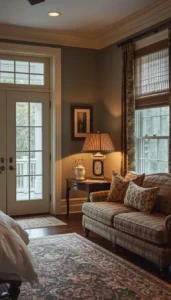
Select simple light fixtures
Clean designs support minimalism. Choose lamps, sconces, or ceiling fixtures with smooth shapes and minimal detailing. Simple lighting adds function and style without competing with the rest of the room.
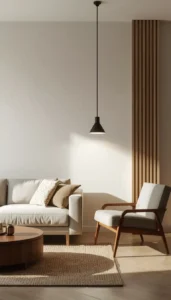
Rugs That Anchor the Living Room
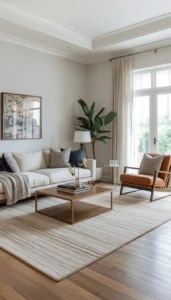
Rugs help define seating areas. In a minimalist living room, a rug adds softness, structure, and comfort while keeping the space visually grounded. The right rug should feel calm and subtle, supporting the furniture layout without becoming too busy or distracting.
Choose neutral or textured rugs
Subtle textures add depth. A beige, cream, gray, or taupe rug can blend beautifully with minimalist decor. Texture, such as wool, jute, or a low pile weave, adds interest without needing strong patterns.
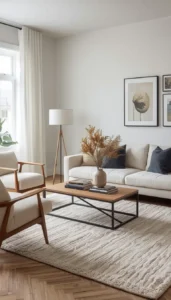
Size rugs correctly
Proper scale creates balance. A rug should be large enough to connect the sofa, chairs, and coffee table. When furniture relates to the rug, the seating area feels more polished, complete, and intentionally arranged.
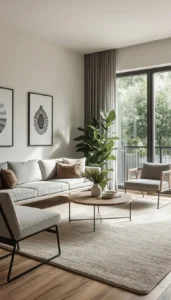
Avoid busy patterns
Simple designs keep the look calm. Minimalist rugs work best with solid colors, soft texture, or very subtle patterns. This allows the room to feel peaceful while still adding warmth and comfort underfoot.
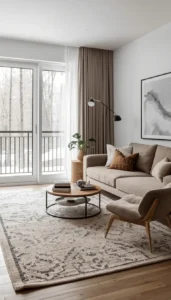
Wall Decor That Feels Intentional
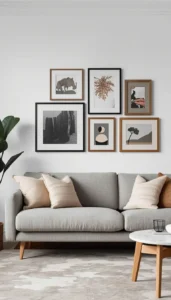
Wall styling should feel curated. Minimalist living rooms often use fewer wall pieces, but each one should have purpose and impact. Thoughtful wall decor can create a focal point, add personality, and make the room feel finished without making the walls feel crowded.
Use large scale artwork
One piece creates impact. A single oversized artwork above the sofa or console can make the room feel elegant and complete. Choose soft colors, abstract forms, or calm visuals that support the room’s peaceful mood.
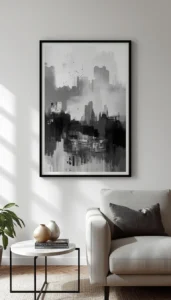
Keep frames simple
Clean lines maintain cohesion. Thin black, white, wood, or neutral frames work well in minimalist spaces. Simple frames allow the artwork to stand out while keeping the overall wall design quiet and refined.
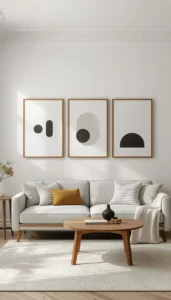
Leave some walls empty
Negative space enhances calm. Empty wall areas give the eye a place to rest and help the room feel open. Minimalist design uses space as part of the look, not as something that always needs to be filled.
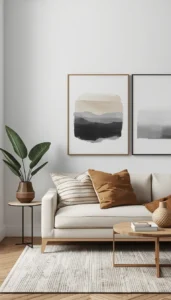
Storage Solutions That Stay Hidden
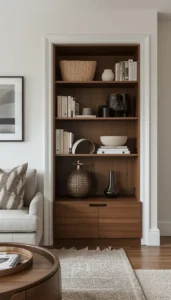
Storage should blend seamlessly. A minimalist living room needs practical storage so daily items do not collect on surfaces. Hidden storage keeps the room clean, organized, and easy to maintain while allowing the design to stay simple and calm.
Choose furniture with hidden storage
It keeps clutter out of sight. Storage ottomans, media consoles, and coffee tables with drawers can hide remotes, blankets, books, and small essentials. This helps the room stay functional without looking busy.
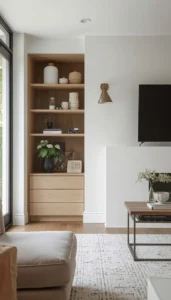
Use closed cabinets or drawers
They maintain a clean look. Closed storage is ideal for items that are useful but not decorative. Cabinets, sideboards, and drawer units keep belongings organized while preserving the minimalist visual style.
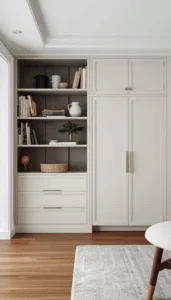
Limit visible storage
Less visual noise supports minimalism. Open shelving should be used carefully and styled lightly. Keep only a few intentional pieces visible, and store everyday items behind doors or inside baskets for a calmer look.
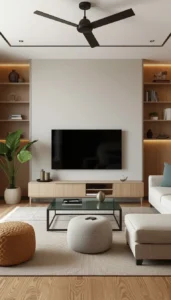
Subtle Texture Through Textiles
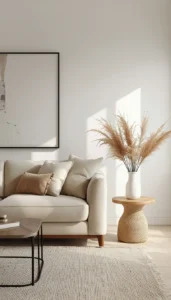
Texture adds comfort without clutter. Minimalist living rooms can feel warm and inviting when textiles are chosen thoughtfully. Pillows, throws, curtains, and rugs add softness while keeping the room simple. The key is using texture in quiet, cohesive ways.
Use soft throw pillows
Neutral tones work best. Pillows in beige, cream, gray, or taupe can add comfort without disrupting the palette. Choose fabrics like linen, cotton, boucle, or wool for a soft but refined look.
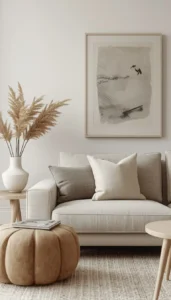
Add one cozy throw
It enhances warmth. A single throw draped over a sofa or chair can make the room feel more inviting. Choose a simple texture and a color that blends with the overall palette for a calm effect.
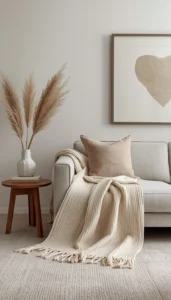
Stick to similar textures
Consistency feels calm. Repeating soft, natural textures across pillows, rugs, and curtains helps the room feel connected. Avoid too many competing materials so the living room remains peaceful, balanced, and visually simple.
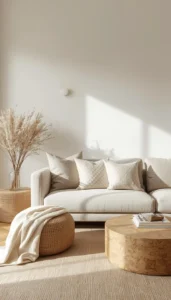
Create a Minimalist Living Room That Feels Effortless
A minimalist living room is about clarity, comfort, and intentional design. By choosing neutral colors, simple furniture, natural materials, hidden storage, and thoughtful layouts, you can create a space that feels calm, modern, and welcoming. Focus on pieces that serve a purpose, then use texture, warm lighting, and subtle decor to bring softness into the room. Leave open space where it helps the design breathe, and avoid adding items only to fill empty areas. When every detail feels useful and considered, your minimalist living room becomes a peaceful place that feels effortless, refined, and easy to enjoy every day.
If you enjoy clean interiors and purposeful styling, exploring more minimalist and modern living room decor ideas can help you continue creating spaces that feel balanced and beautifully designed.
