

A cozy reading room is designed to slow down the pace of everyday life and create a peaceful environment for reading, relaxing, and quiet moments. With comfortable seating, warm lighting, and layered textures, a reading room becomes a personal retreat that feels inviting and visually soothing. Thoughtful decor choices help transform any spare room, bedroom corner, or unused nook into a calm sanctuary. The best reading rooms balance beauty with function, making books, lighting, blankets, and seating easy to enjoy. These cozy reading room ideas focus on comfort, atmosphere, and smart styling to help you create a space that feels warm, functional, and beautifully styled.
These cozy reading room ideas focus on comfort, atmosphere, and smart styling to help you create a space that feels warm, functional, and beautifully styled.
Comfortable Seating That Encourages Long Reading Sessions
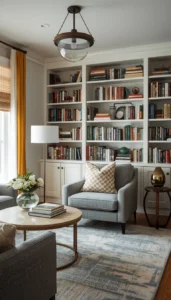
Seating is the heart of any reading room. The chair, sofa, or bench you choose should invite you to settle in comfortably for more than a few minutes. Supportive furniture makes the room feel practical, while soft upholstery and cozy details help create the warm, relaxed feeling every reading space needs.
Choose cushioned chairs or sofas
Soft seating supports extended comfort. A deep armchair, small sofa, or upholstered lounge chair can make reading feel more relaxing. Choose pieces with enough support for your back and enough softness to make the room feel inviting.
Add supportive pillows
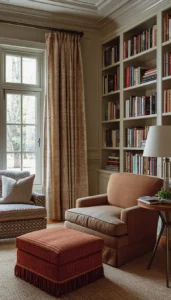
Extra cushions improve posture and relaxation. Pillows can support the lower back, neck, or arms while adding softness to the room. Choose pillow covers in calm colors and comfortable fabrics so they add both function and visual warmth.

Keep seating proportional to the room
Right sized furniture maintains balance. Oversized seating can crowd a small reading room, while tiny chairs may feel uncomfortable. Choose furniture that leaves space for movement, lighting, side tables, and shelves so the room feels open and usable.
Warm Lighting That Creates a Relaxing Glow

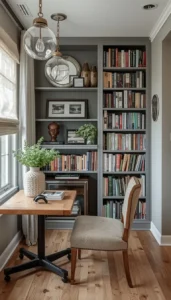
Lighting sets the tone for the entire room. A cozy reading room should feel bright enough for comfortable reading but soft enough to feel peaceful. Instead of relying on one strong ceiling light, use warm layered lighting that supports both visibility and atmosphere.
Use floor and table lamps
Focused lighting improves readability. A floor lamp beside a chair or a table lamp near a sofa helps direct light where it is needed. This makes reading easier while keeping the rest of the room softly lit.
Choose warm light tones
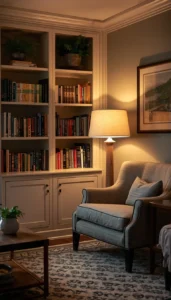
Soft light creates a calming atmosphere. Warm bulbs make the room feel gentle, cozy, and comfortable in the evening. They also enhance wood, fabric, books, and neutral colors, giving the reading room a more restful glow.

Layer lighting sources
Multiple light points add depth. Combine lamps, wall sconces, and soft accent lighting to create a richer atmosphere. Layered light helps the room feel more inviting and gives you flexibility for reading, relaxing, or quiet conversation.

Soft Color Palettes That Promote Calm
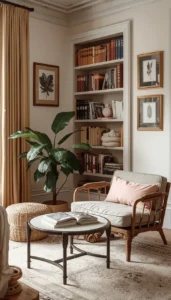
Color influences how restful the space feels. A cozy reading room usually works best with gentle shades that soothe the eyes and create a peaceful background. Soft colors also make it easier to layer books, textiles, furniture, and decor without making the room feel busy.
Use neutral base colors
Cream, beige, and soft gray create serenity. These shades feel calm and timeless, making them ideal for walls, rugs, curtains, and large furniture. A neutral base also allows books, wood tones, and cozy accessories to stand out naturally.

Add muted accent tones
Gentle greens or warm browns add warmth. Muted colors bring personality without disturbing the peaceful mood. Soft sage, dusty blue, taupe, rust, or warm brown can make the room feel layered, cozy, and more visually interesting.
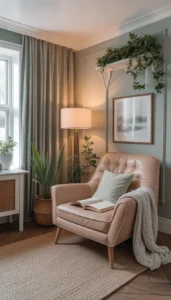
Keep contrast subtle
Soft transitions enhance harmony. Avoid extremely sharp color changes if you want a restful reading room. Gentle contrast between walls, seating, rugs, and textiles creates a smoother look that feels relaxing and easy to enjoy.
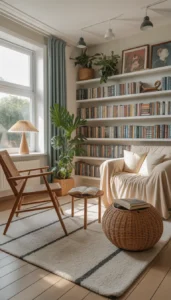
Textured Rugs and Fabrics for Cozy Comfort
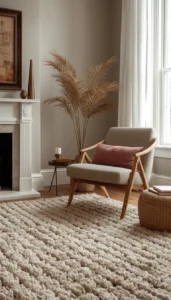
Texture enhances warmth and softness. A reading room becomes more inviting when it includes tactile layers like rugs, throws, cushions, curtains, and upholstered furniture. These elements soften the space visually and physically, making the room feel comfortable and quiet.
Add plush rugs under seating
They improve comfort and sound absorption. A soft rug beneath the reading chair or sofa helps define the area while making the room feel warmer. Rugs also reduce echo, which creates a quieter and more peaceful atmosphere.
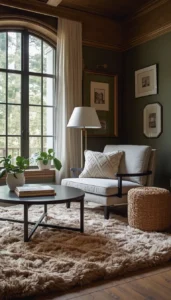
Use throws and cushions
Layering adds warmth and depth. A blanket over a chair or cushions on a sofa instantly makes the room feel more welcoming. Choose soft fabrics that encourage relaxation and match the room’s calm color palette.
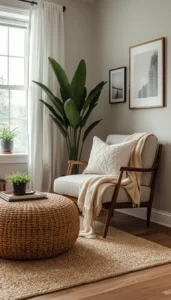
Mix fabric types
Combining knits and woven fabrics adds interest. Linen, cotton, wool, boucle, velvet, and chunky knits can work together when colors stay coordinated. Mixing textures keeps the room visually rich without needing bold patterns or heavy decor.
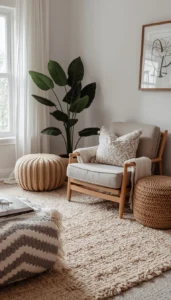
Built In Shelving for Books and Decor
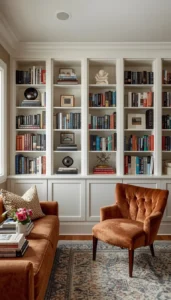
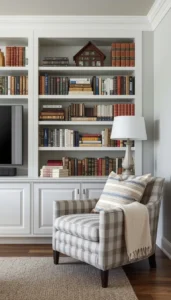
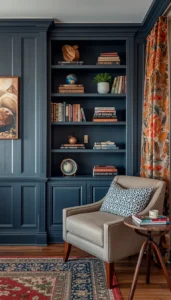
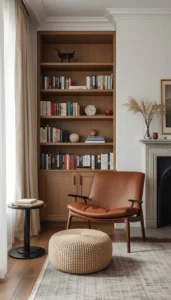
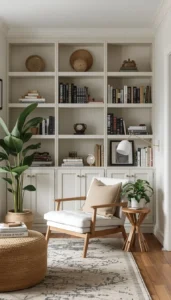
Storage supports organization and aesthetics. Built in shelving makes a reading room feel complete, especially when books are part of the room’s main purpose. Shelves can hold books, baskets, artwork, and meaningful objects while giving the space a polished and personal look.
Use vertical shelves
Maximizes wall space efficiently. Tall shelves make use of empty walls and provide plenty of storage without taking up much floor area. Vertical shelving also draws the eye upward, helping the room feel taller and more thoughtfully designed.
Keep shelves visually balanced
Avoid overcrowding. Too many items can make shelves feel heavy and messy. Leave open space between books, baskets, and decor so the shelving looks calm, organized, and easy to use.

Mix books with decor accents
Styling adds charm. Add a few framed pieces, small plants, bowls, or pottery between book stacks. This softens the display and makes the shelves feel decorative while still keeping books easy to access.
Window Seating for Natural Light and Relaxation
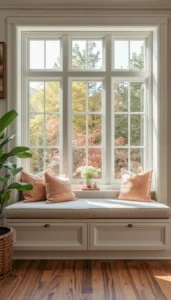
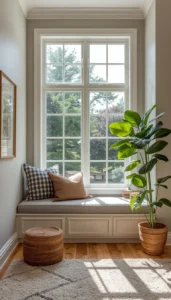
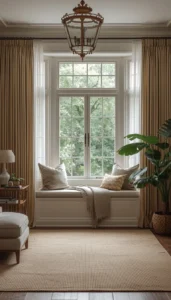
Natural light enhances the reading experience. A reading room with a window feels brighter, calmer, and more connected to the outdoors. Seating near natural light is especially helpful for daytime reading and can make the space feel open and refreshing.
Place seating near windows
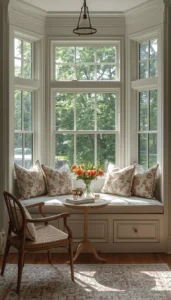
Daylight improves visibility. A chair, bench, or small sofa near a window creates a comfortable reading spot during the day. Position the seating so the light feels useful but does not create glare on the page.
Use sheer curtains
Maintains brightness and privacy. Sheer curtains soften sunlight while keeping the room airy. They allow natural light to enter without making the space feel exposed, which supports both comfort and relaxation.
Add a side table
Convenient for books and drinks. A small table beside the window seat gives you a place for tea, glasses, bookmarks, or a current book. This simple detail makes the area more practical and enjoyable.
Minimal Styling for a Peaceful Environment
Clutter free spaces feel more relaxing. A cozy reading room does not need too many accessories to feel complete. Simple styling allows the mind to rest and keeps the focus on comfort, books, lighting, and a calm atmosphere.
Limit decorative pieces
Fewer items promote calm. Choose a small number of meaningful accents instead of filling every surface. A vase, framed print, candle, or plant may be enough to make the room feel styled without adding visual noise.
Choose multifunctional furniture
Maximizes usability. A storage ottoman, side table with drawers, or bench with hidden storage can keep the room organized. Multifunctional furniture is especially helpful in smaller reading rooms where every piece should earn its place.
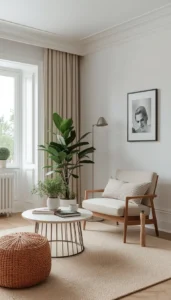
Keep surfaces clear
Open space feels soothing. Tables, shelves, and window ledges should have enough empty space to feel breathable. Clear surfaces make the room easier to clean and help maintain a peaceful, uncluttered mood.
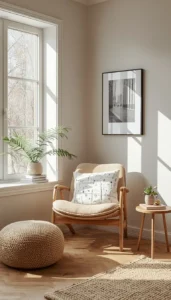
Natural Elements That Add Warmth and Balance
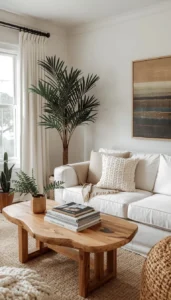
Organic materials soften the space. Natural textures and finishes make a reading room feel grounded, warm, and welcoming. Wood, plants, woven baskets, rattan, linen, and stone accents can add character while keeping the room calm and comfortable.
Add indoor plants
Greenery improves freshness. A small plant beside a chair, on a shelf, or near a window can bring life to the room. Choose plants that suit the available light so the space stays easy to maintain.
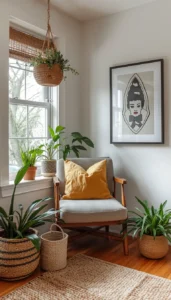
Use wood accents
Natural tones enhance warmth. Wood shelves, side tables, picture frames, or stools add cozy depth to the reading room. Light wood feels airy, while darker wood brings richness and a more classic mood.
Incorporate woven textures
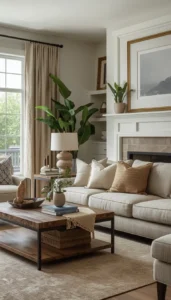
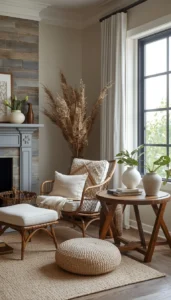
Adds visual comfort. Baskets, rattan pieces, wicker trays, or woven shades can make the room feel softer and more layered. These textures pair beautifully with neutral colors, books, rugs, and upholstered seating.
Small Reading Rooms That Feel Spacious
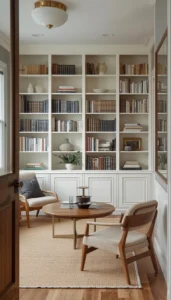
Compact rooms can still feel cozy and open. A small reading room needs smart furniture, light colors, and careful spacing so it feels comfortable rather than crowded. With the right layout, even a tiny room can become a peaceful retreat.
Use light colors
Bright tones expand visual space. Cream, warm white, pale beige, and soft gray can make a small room feel more open. Light colors reflect brightness and help the reading room feel airy, calm, and uncluttered.
Keep furniture slim
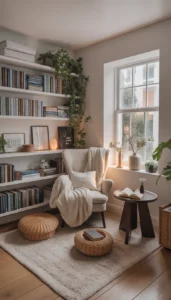
Prevents heaviness. Choose chairs, tables, and shelves with lighter profiles so the room does not feel packed. Slim furniture still offers comfort and function while leaving more visual space around each piece.
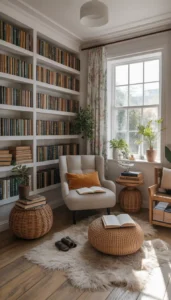
Use mirrors thoughtfully
Reflect light gently. A simple mirror can brighten a small reading room and make it feel larger. Place it where it reflects natural light or an attractive view, but avoid using too many mirrors that may distract from the calm mood.
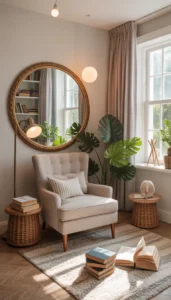
Personal Touches That Make the Space Yours

Personal styling adds character. A reading room should feel connected to your taste, routines, and favorite books. Meaningful pieces make the room warmer and more enjoyable, but they should be chosen carefully so the space still feels calm.
Display favorite books
Creates personality. Keep beloved titles, current reads, or beautiful covers visible on shelves, tables, or book stands. Books naturally add warmth and show the room’s purpose without needing too much extra decoration.
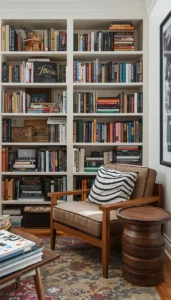
Add framed artwork
Visual interest enhances charm. A framed print, small painting, landscape, or meaningful quote can bring personality to the walls. Choose artwork that matches the room’s colors so it feels connected and soothing.
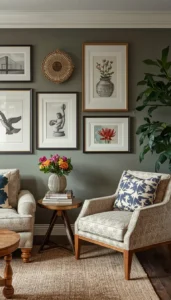
Keep personalization balanced
Avoid overcrowding. Personal items make the room special, but too many can create clutter. Select the pieces that matter most and leave space around them so the reading room feels thoughtful, warm, and peaceful.
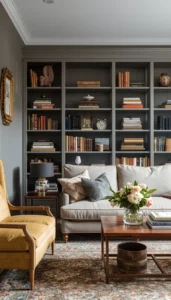
Create a Cozy Reading Room You Will Love Spending Time In
A cozy reading room blends comfort, warmth, and thoughtful design to create a space that supports relaxation and focus. By layering textures, using warm lighting, and choosing calming colors, you can design a room that feels inviting and personal. Start with comfortable seating, then add practical lighting, accessible books, soft textiles, and a small surface for everyday use. Keep the room organized with shelves or hidden storage, and include natural elements that add warmth without clutter. Whether your reading room is a spare bedroom, a quiet corner, or a compact nook, intentional styling can turn it into a peaceful space you will enjoy returning to again and again.
If you enjoy creating comforting interiors and peaceful corners, exploring more cozy room and home styling ideas can help you continue shaping spaces that feel relaxing and beautifully styled.
