
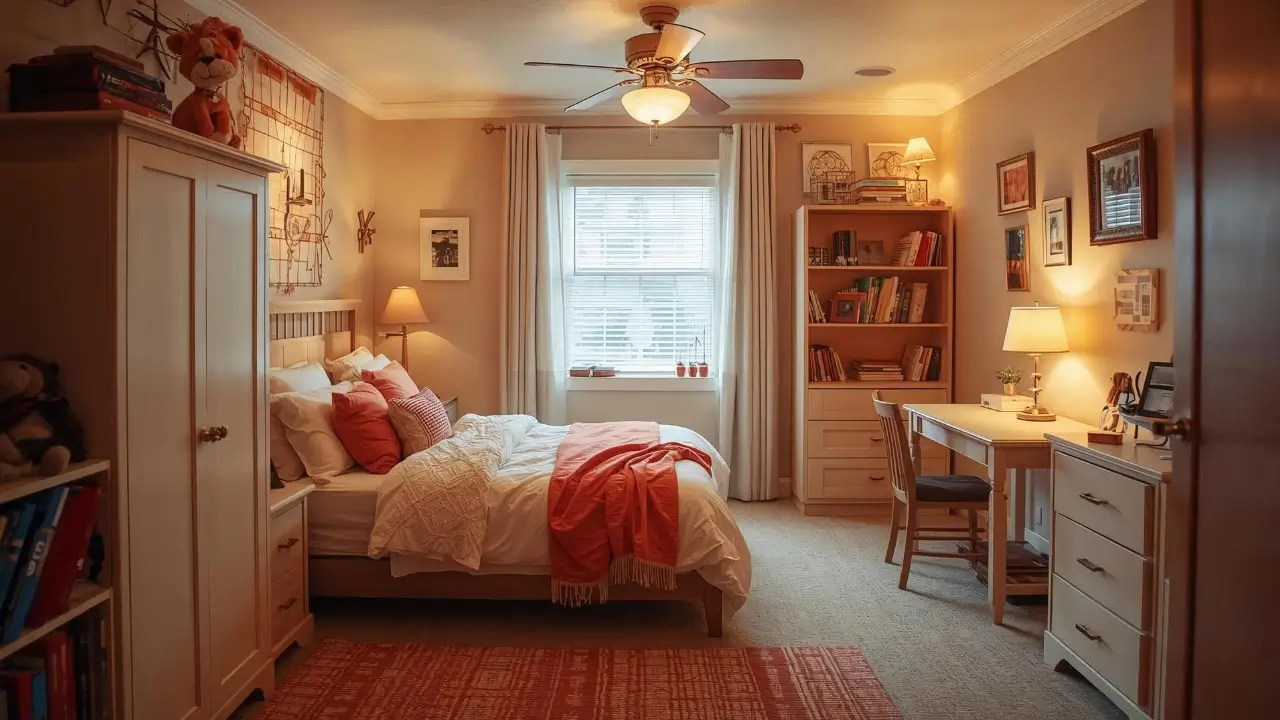
A teen bedroom is more than a place to sleep. It is a private space for studying, relaxing, exploring hobbies, and showing personal style. A comfortable design can help the room feel peaceful, inspiring, and easy to use throughout the day. Thoughtful details such as soft bedding, warm lighting, practical storage, and meaningful decorations can transform an ordinary bedroom into a welcoming retreat. These cozy teen bedroom ideas balance comfort, organization, and personality, helping create a stylish personal space that supports rest, creativity, productivity, and everyday routines.
From soft textures to smart storage and personalized decor, cozy teen bedroom ideas focus on warmth, functionality, and style. These ideas will help you design a bedroom that feels inviting, organized, and uniquely meaningful.
Soft Bedding Layers for Ultimate Comfort
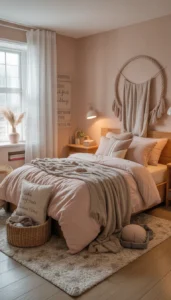
Comfortable bedding forms the heart of a cozy teen bedroom. A thoughtfully layered bed looks inviting while providing flexibility during changing temperatures. Start with supportive pillows and soft sheets, then add blankets, throws, or decorative cushions. Combining practical materials with appealing textures creates a relaxing sleeping area without making the bed appear crowded or difficult to maintain.
Choose breathable fabrics
Cotton, microfiber, jersey, and linen blend fabrics can keep bedding soft and comfortable throughout the year. Breathable sheets are especially useful in warmer weather, while slightly heavier materials add warmth during colder months. Choose fabrics that are easy to wash so the bed remains fresh, clean, and practical for daily use.
Layer with throws and blankets
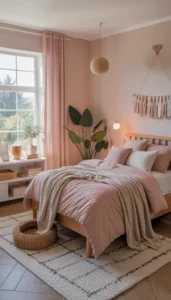
Place a lightweight blanket across the bed and fold a thicker throw near the foot for extra warmth. Layering creates depth and makes a simple bed look more polished. Different textures, such as fleece, knit, or quilted fabric, can add visual interest while keeping the sleeping area comfortable and easy to adjust.
Mix patterns carefully
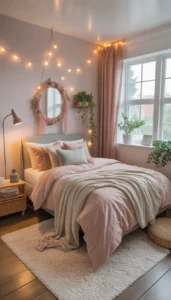
Use one main pattern and support it with solid colors or smaller prints. For example, patterned pillowcases can work well with plain sheets and a neutral blanket. Keeping the colors connected prevents the bedding from looking chaotic. A balanced combination adds personality while preserving the calm atmosphere needed for rest and relaxation.
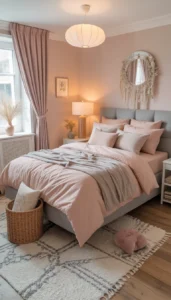
Warm Lighting for a Relaxing Atmosphere
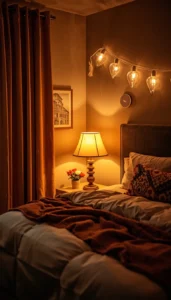
Lighting strongly affects how comfortable a bedroom feels. A combination of general, task, and decorative lighting allows the room to serve different purposes. Bright light may be useful for studying, while softer illumination creates a peaceful mood before bedtime. Choose warm bulbs and adjustable fixtures to make the bedroom feel welcoming during both busy and quiet moments.
Use string lights or LED strips
String lights or softly glowing LED strips can add warmth around a headboard, shelf, mirror, or ceiling edge. Select gentle tones instead of flashing or overly bright settings. Properly secured lighting creates a decorative feature without taking up floor space, making it especially suitable for smaller teen bedrooms that need simple visual interest.
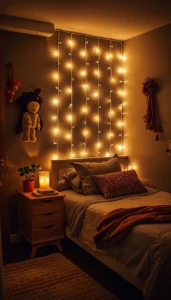
Add bedside lamps
A bedside lamp provides convenient light for reading, journaling, or preparing for sleep. Choose a compact design that leaves enough room for essentials such as a phone, book, or water glass. A lamp with adjustable brightness is especially useful because it can provide stronger task lighting and a softer evening glow when needed.
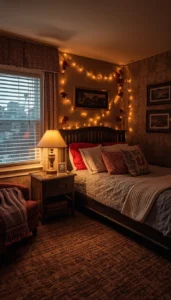
Avoid harsh overhead lighting
Strong overhead lighting can make a bedroom feel cold or uncomfortable, particularly at night. Use warm toned bulbs and consider a dimmer switch when possible. Combining softer ceiling light with lamps prevents glare and allows the brightness to suit different activities. This layered approach creates a calmer and more flexible bedroom atmosphere.
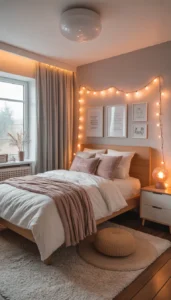
Neutral and Pastel Color Schemes
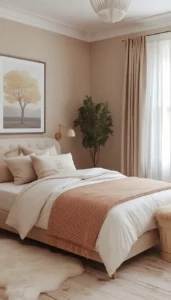
Soft colors provide a calm foundation that makes a teen bedroom feel comfortable and visually balanced. Neutral and pastel shades also reflect light well, helping smaller spaces appear brighter and more open. Select a simple base palette, then introduce personal colors through accessories that can be replaced easily as preferences and interests change over time.
Choose calming base colors
Beige, cream, soft gray, pale blue, muted green, and blush can create a restful background. Use these shades on walls, larger furniture, or bedding to establish a consistent look. A calm base also makes it easier to combine different decorations without creating visual clutter or making the bedroom feel overly busy.
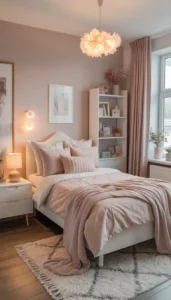
Add color through accessories
Pillows, artwork, lamps, storage boxes, and small rugs are practical ways to add favorite colors. Accessories allow teens to personalize the room without repainting walls or replacing large furniture. Choosing two or three connected accent shades keeps the design expressive while making future updates affordable, simple, and less time consuming.
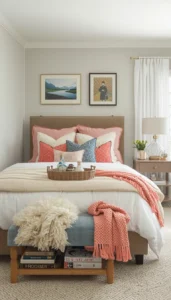
Maintain balance in tones
Bold shades can add energy, but they work best when used in small amounts. Repeat an accent color in a few areas so it appears intentional rather than random. Balance brighter objects with neutral surroundings, allowing each piece to stand out without competing for attention. This creates a stylish and harmonious overall appearance.
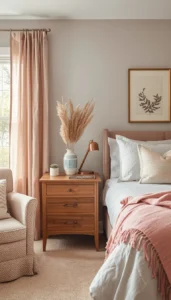
Functional Study Corner Design
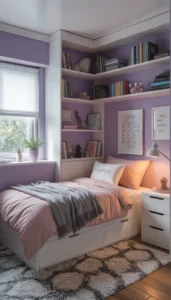
A dedicated study corner helps separate schoolwork from relaxation. Even a small desk can support focus when it has suitable lighting, comfortable seating, and organized supplies. Keep the area simple and practical so essential materials are easy to find. A tidy workspace can reduce distractions and make study sessions feel more manageable and productive.
Place the desk near natural light
Positioning a desk near a window can provide comfortable daylight and make the study area feel more open. Place the desk so direct sunlight does not cause screen glare. Add a suitable desk lamp for evening work, ensuring the surface remains well lit during reading, writing, creative projects, or computer based assignments.
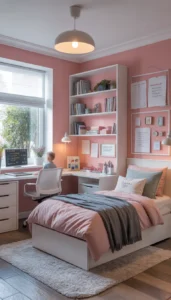
Use compact storage organizers
Desk drawers, small containers, wall pockets, and nearby shelves can keep stationery and school materials organized. Store frequently used items within easy reach and place occasional supplies in labeled boxes. Vertical organizers are particularly helpful in small rooms because they provide useful storage without taking up much of the available desk surface.
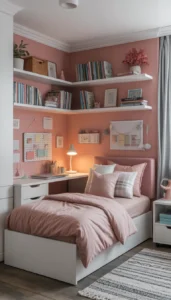
Keep the workspace clutter free
Limit desk decorations to a few motivating or useful objects, such as a small plant, calendar, or framed photograph. Remove empty cups, unnecessary papers, and unused supplies regularly. A clear workspace supports concentration and makes it easier to begin homework without first spending time searching for materials or clearing a usable area.
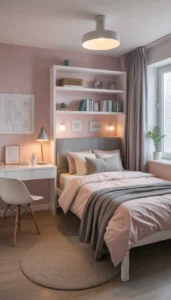
Wall Decor That Reflects Personality
Wall decor gives teens an opportunity to show their interests without using valuable floor space. Photographs, posters, artwork, and creative displays can make the bedroom feel meaningful and original. Choose pieces that connect through color, theme, or layout. A carefully arranged wall adds character while supporting the room’s comfortable and organized appearance.
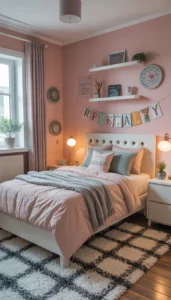
Create a photo or poster wall
Combine personal photographs, illustrations, postcards, prints, or favorite posters in one planned display. Use matching frames for a polished look or create a casual arrangement with removable adhesive. Leaving consistent spacing between items helps the collection feel organized, allowing each memory or artwork piece to receive attention without overcrowding the wall.
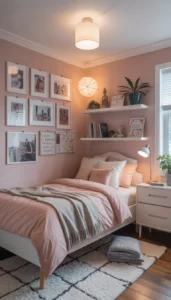
Arrange decor in balanced layouts
Plan the arrangement before attaching anything to the wall. Place larger pieces near the center and support them with smaller items around the edges. Keeping decorations aligned with nearby furniture creates a more intentional appearance. Balanced spacing prevents the display from feeling uneven while allowing personal items to remain the main visual focus.
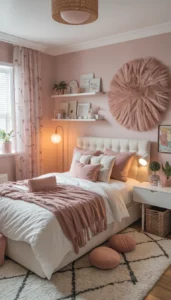
Cozy Seating and Reading Nook Ideas
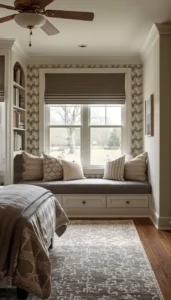
Additional seating creates a comfortable place for reading, listening to music, chatting, or taking a break. The arrangement does not need to be large or expensive. A soft cushion, supportive chair, or compact bench can create a relaxing corner. Choose seating that fits the available space without blocking doors, drawers, or walking paths.
Add floor cushions or poufs
Floor cushions, beanbags, and poufs offer casual seating that can be moved easily when more floor space is needed. Choose durable, washable covers in colors that coordinate with the bedding or rug. Layering one or two cushions can make an empty corner feel welcoming without requiring a large chair or permanent furniture arrangement.
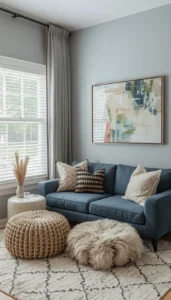
Use window seats when possible
A window seat can become a peaceful reading spot filled with natural light. Add a firm cushion, a soft throw, and a few supportive pillows for comfort. Keep the window easy to open and avoid blocking heating or ventilation. Storage baskets underneath can make the area useful as well as relaxing.
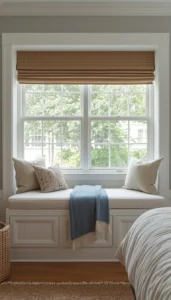
Include a small side table
A compact side table provides a convenient surface for books, drinks, headphones, or a reading lamp. Select a narrow table, sturdy stool, or small storage cube that suits the available space. Keeping essential items nearby makes the seating area more functional while helping the rest of the bedroom remain tidy and organized.
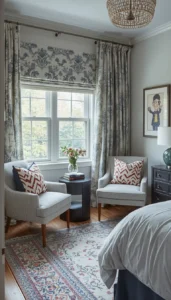
Smart Storage for a Tidy Space
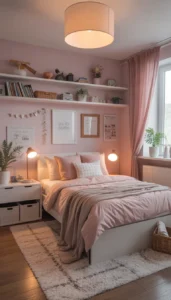
Effective storage helps maintain the peaceful feeling of a cozy bedroom. When clothing, school supplies, and personal belongings have designated places, the room becomes easier to clean and enjoy. Use hidden storage for practical items and open storage for attractive objects. Combining both options keeps the space organized without removing personality or warmth.
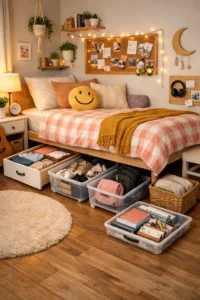
Use under bed storage
Under bed space is ideal for storing seasonal clothing, extra bedding, shoes, or hobby supplies. Use shallow containers with lids to protect items from dust and make them easy to access. Label each container clearly, and avoid filling the area with objects that are rarely used or no longer needed.
Install floating shelves
Floating shelves provide display and storage space without occupying the floor. Position them above a desk, dresser, or reading area where they will not become an obstacle. Use shelves for books, framed photographs, plants, or small collections. Avoid overloading them, as a few well arranged pieces usually look cleaner and more intentional.
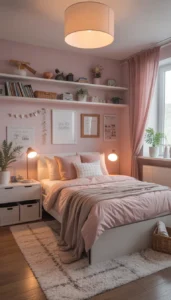
Choose decorative storage boxes
Decorative boxes can hide chargers, notebooks, accessories, craft materials, and other small belongings. Select boxes that fit neatly on shelves or inside a wardrobe. Coordinated colors and labels create a polished appearance while making items easier to locate. Closed storage also reduces visible clutter and helps the bedroom feel more restful.
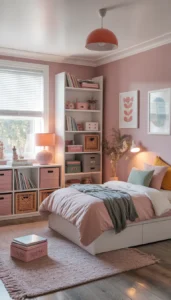
Textured Rugs and Curtains for Warmth
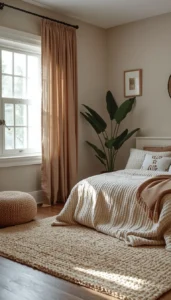
Rugs and curtains soften hard surfaces and make a teen bedroom feel warmer. These textiles can also improve privacy, reduce glare, and introduce subtle color or pattern. Choose materials that are comfortable, durable, and easy to maintain. Coordinating them with bedding and wall colors creates a connected design without making every fabric look identical.
Select plush area rugs
A soft area rug adds warmth beside the bed, under a chair, or in the center of the room. Choose the right size so it feels connected to nearby furniture. Low pile rugs are easier to clean, while plush styles provide greater softness. Use a rug pad to prevent unwanted movement.
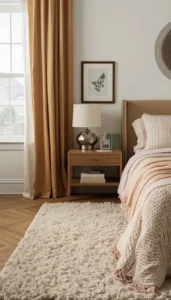
Choose light filtering curtains
Light filtering curtains allow gentle daylight to enter while offering privacy. They help reduce harsh glare without making the room feel dark. For better sleep, combine them with blinds or blackout panels that can be closed at night. Curtains hung slightly above the window can also make the ceiling appear taller.
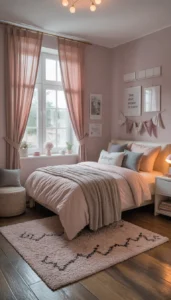
Match fabrics with the room palette
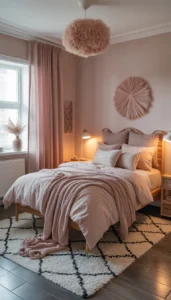
Curtains, rugs, bedding, and cushions do not need to be identical, but they should share related tones. Repeat one or two colors across the fabrics to create consistency. Mixing smooth, woven, and fluffy textures adds depth while maintaining a coordinated appearance that feels comfortable rather than overly formal or carefully matched.
Tech Friendly Bedroom Setup
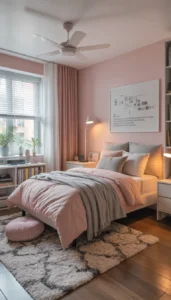
Technology is often used for studying, entertainment, communication, and creative hobbies. A tech friendly bedroom should provide convenient access without allowing devices and wires to dominate the design. Plan where screens, chargers, and accessories will be stored. Organized technology supports everyday routines while keeping the bedroom safe, comfortable, and visually tidy.
Use cable management solutions
Use cable clips, sleeves, boxes, or ties to keep wires grouped and away from walking areas. Run cords along the back of furniture when possible, and avoid overloading electrical outlets. Clearly arranged cables make the room easier to clean and reduce the tangled appearance that can make a desk or nightstand look cluttered.
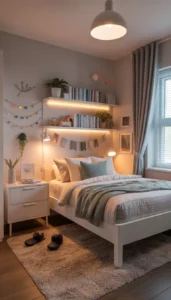
Mount screens when possible
Wall mounting a screen can free valuable desk or dresser space, but it should be installed securely at a comfortable viewing height. Keep seating distance and room layout in mind before choosing the position. Smaller devices can be placed on stands that improve visibility while allowing space underneath for storage or accessories.
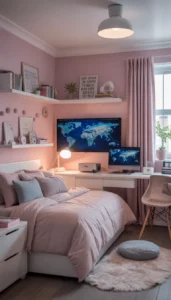
Create charging stations
Designate one safe location for charging phones, tablets, headphones, and other devices. A small tray or organizer can keep cables separated and prevent chargers from being misplaced. Position the station near a suitable outlet, away from bedding and liquids. This routine also keeps electronic clutter from spreading across multiple surfaces.
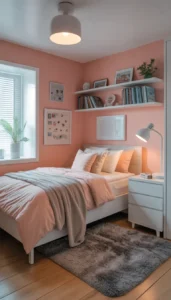
Accent Decor That Adds Character
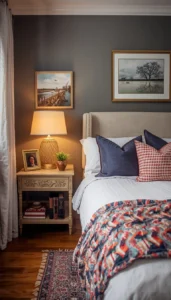
Small decorative details make a bedroom feel personal and complete. Select objects that represent interests, memories, hobbies, or achievements instead of filling every available surface. A few meaningful accents usually create more impact than many unrelated pieces. Keep arrangements simple so the room remains easy to clean, update, and enjoy.
Display favorite collectibles
Arrange books, models, awards, artwork, or meaningful souvenirs on a shelf or dresser. Group similar items together to create a clear display rather than spreading them throughout the room. Rotate collections occasionally so each piece can be appreciated. Leaving some empty space prevents personal displays from appearing crowded or difficult to maintain.
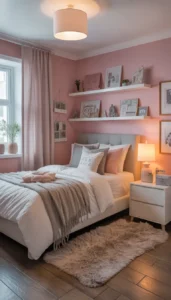
Use scented candles or diffusers
A gentle fragrance can make the bedroom feel more relaxing, but safety should remain the priority. Flameless candles, reed diffusers, or mild room sprays provide atmosphere without an open flame. Choose subtle scents and avoid using too many products at once, especially when strong fragrances may cause discomfort or affect sleep.
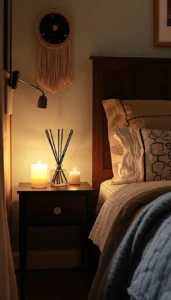
Rotate decor seasonally
Changing a few accessories can refresh the bedroom without requiring a complete redesign. Replace cushion covers, small prints, throws, or decorative objects to reflect different seasons or current interests. Store unused pieces neatly for later use. Rotating decor keeps the room interesting while reducing unnecessary spending and permanent design changes.
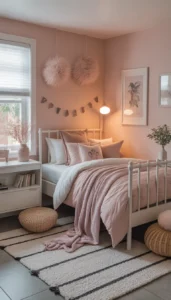
Design a Bedroom That Feels Like Home
A cozy teen bedroom should feel safe, functional, comfortable, and personal. Soft bedding, warm lighting, thoughtful colors, organized storage, and meaningful decor can work together to create a room that supports both rest and everyday activities. The most successful design reflects the teen’s personality while remaining practical and easy to maintain. By making careful choices and using available space wisely, an ordinary bedroom can become a welcoming retreat for studying, creating, relaxing, and recharging. Explore related bedroom styling ideas, small room solutions, and practical decor inspiration to continue shaping a space that truly feels like home.
For more inspiration, explore related bedroom styling ideas, small room solutions, and creative decor tips to continue building spaces that feel welcoming and personal.
More Decor Ideas You’ll Love
- Cozy Guest Bedroom Ideas to Make Every Visitor Feel at Home
- Moody Bedroom Ideas That Create a Cozy and Sophisticated Retreat
- Moody Bedroom Ideas That Create a Cozy and Sophisticated Retreat
- Home Office Inspiration Ideas to Create a Stylish and Motivating Workspace
- Home Office Design Ideas That Feel Stylish and Productive
- Valentine’s Day Decorations for Home That Feel Romantic and Effortless
