
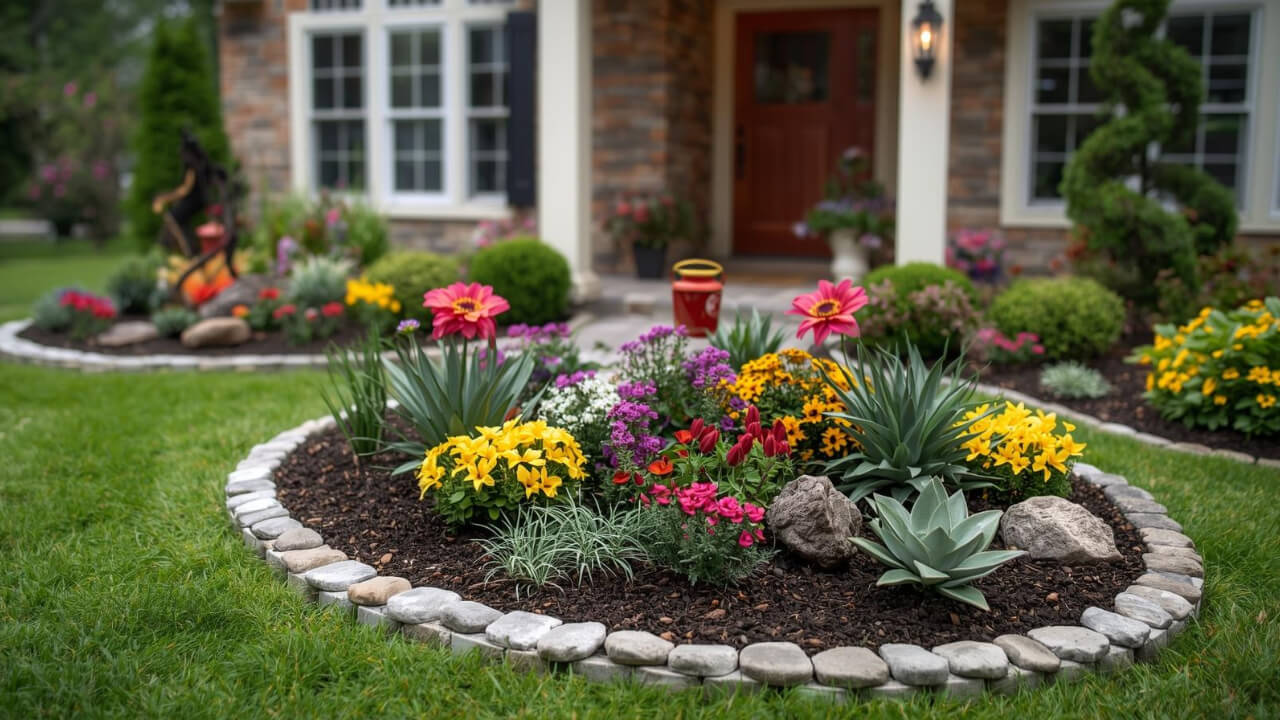
A well designed flower bed can completely transform your outdoor space into a vibrant and welcoming area full of color, texture, and life. Whether you have a large backyard, a small front yard, or a narrow garden border, the right arrangement of plants, edging, and shapes can make the space feel more structured and visually appealing. Flower beds can frame pathways, brighten entrances, soften fences, and create beautiful focal points around your home. These flower bed ideas will help you create designs that look balanced, stylish, and easy to maintain while adding natural beauty to your surroundings.
Layered Flower Bed Designs for Depth and Dimension
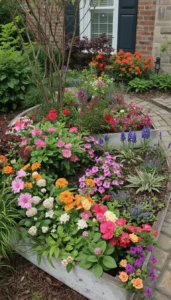
Layering is one of the most effective ways to create a rich and visually appealing flower bed that looks full and well planned. By arranging plants in different heights, shapes, and bloom sizes, you can give the garden more depth. A layered design also helps every plant remain visible and part of the overall display.
Arrange Plants by Height for a Structured Look
Placing taller plants at the back, medium plants in the middle, and shorter flowers at the front creates a natural flow that makes the bed look organized and visually pleasing. This method works especially well along fences, walls, and borders because it keeps the full arrangement easy to see.
Combine Different Bloom Sizes and Shapes
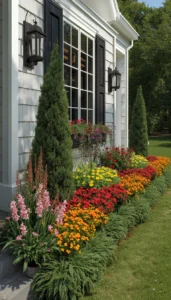
Mixing large blooms with smaller flowers adds variety and prevents the design from looking flat or repetitive. Large flowers can act as focal points, while smaller blooms fill gaps and soften the edges. This combination creates a fuller garden bed that feels more natural, colorful, and thoughtfully arranged.
Use Repeating Patterns for Balance
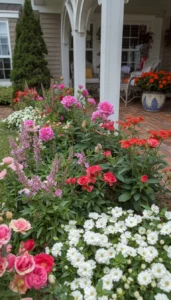
Repeating certain plants or colors throughout the bed helps create harmony and ties the entire design together. You can repeat the same flower every few feet or use one color in different areas. This simple technique keeps the flower bed from feeling random while still allowing variety.
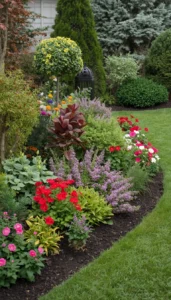
Color Coordinated Flower Beds for a Stylish Impact
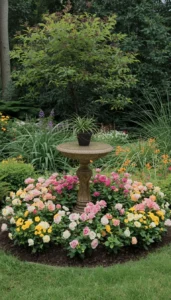
Choosing a clear color theme can make your flower bed stand out while maintaining a cohesive and polished look. A thoughtful palette helps flowers, greenery, borders, and surrounding decor feel connected. Whether you prefer soft tones, bright blooms, or rich seasonal colors, color planning can make the garden feel more intentional.
Use a Single Color Palette for Elegance
Sticking to one color family creates a calm and sophisticated appearance that feels intentional and well styled. You can use shades of pink, purple, white, yellow, or blue for a soft layered effect. A single palette also makes the flower bed easier to design and visually cleaner.
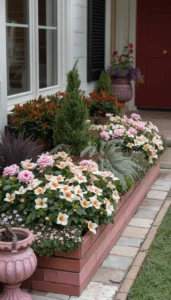
Blend Complementary Colors for Contrast
Combining colors that naturally work together adds energy while still keeping the design balanced. Pair purple with yellow, blue with orange, or pink with green foliage for contrast. These combinations bring life to the garden while helping each bloom stand out in a pleasing way.
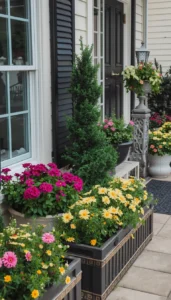
Add Neutral Greenery for Balance
Green foliage helps soften bold colors and ensures the flower bed does not feel overwhelming. Plants with rich leaves, soft grasses, or silver toned foliage can create breathing space between bright blooms. Greenery also keeps the bed looking attractive when some flowers are not in bloom.
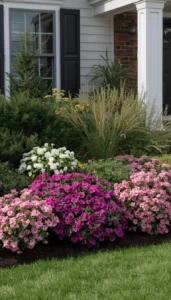
Raised Flower Beds for a Clean and Defined Layout
Raised beds add structure and make it easier to manage your plants while improving the overall look of your garden. They create clear boundaries, improve soil control, and make planting areas look neat. Raised flower beds are especially useful for front yards, patios, pathways, and spaces where you want a more organized design.
Use Wooden or Stone Borders for Structure
Clearly defined edges keep the design neat and create a strong visual outline for the flower bed. Wood gives a warm and natural look, while stone feels durable and timeless. Both materials help separate flowers from grass, paths, or gravel areas while adding style to the garden.
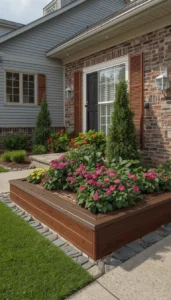
Improve Soil Quality with Raised Design
Elevated beds allow better control over soil conditions, helping plants grow healthier and stronger. You can add nutrient rich soil, improve drainage, and choose the right mix for your flowers. This makes raised beds practical as well as beautiful, especially in areas with poor ground soil.
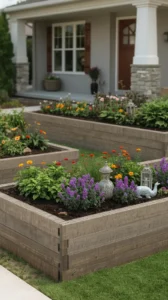
Create Separate Sections for Variety
Dividing the bed into sections allows you to experiment with different plants and color themes. One area can hold tall flowers, another can feature low blooms, and another can focus on greenery. Sections make the garden easier to organize while adding visual interest and variety.
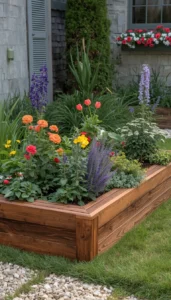
Low Maintenance Flower Beds for Easy Care
If you want a beautiful garden without constant upkeep, low maintenance designs are a great option. The goal is to choose plants, materials, and layouts that stay attractive with less effort. Simple arrangements, hardy flowers, mulch, and clear spacing can make your flower bed easier to care for throughout the season.
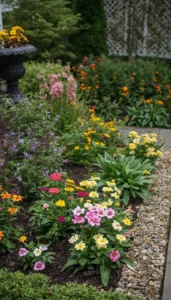
Choose Hardy and Long Lasting Plants
Selecting plants that require less attention helps keep your flower bed looking good with minimal effort. Look for flowers that suit your climate, sunlight, and soil conditions. Perennials, drought tolerant plants, and sturdy seasonal blooms can reduce replanting while keeping the garden colorful and healthy.
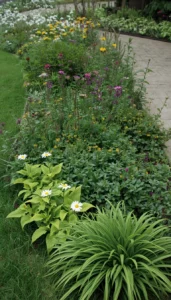
Add Mulch to Retain Moisture
Mulch helps keep the soil hydrated while also reducing weed growth and improving overall appearance. It creates a clean background that makes flowers stand out more clearly. Organic mulch can also support soil health over time, making the flower bed easier to maintain and more polished.
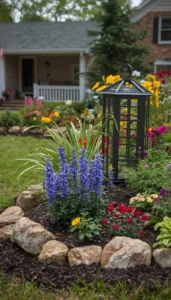
Keep the Layout Simple and Organized
A clean and simple design is easier to maintain and prevents the space from feeling cluttered. Use fewer plant varieties and repeat them in groups for a neat effect. Clear spacing between plants allows air to move and gives each flower enough room to grow properly.
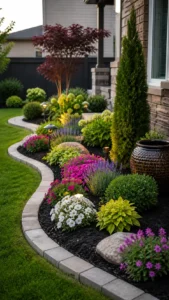
Curved and Natural Shaped Flower Beds
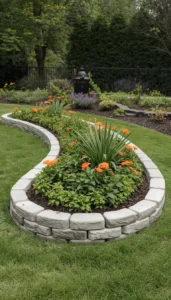
Soft curves create a more relaxed and natural feel compared to straight lines, making your garden look more inviting. Curved flower beds can guide the eye through the landscape and soften hard edges around lawns, patios, or walkways. This style works beautifully when you want a garden that feels flowing and organic.
Design Flowing Edges for a Natural Look
Curved borders blend seamlessly with the landscape and create a softer visual effect. Instead of sharp corners, use gentle lines that follow the shape of your yard or pathway. This makes the flower bed feel more relaxed and helps the garden look connected to the surrounding space.
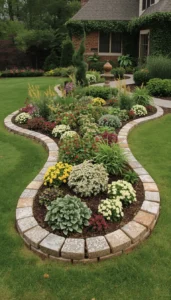
Use Pathways to Connect Different Areas
Adding small paths around the flower beds improves accessibility and enhances the overall layout. Stone, gravel, or stepping paths can guide movement while protecting plants from being stepped on. Pathways also make the garden feel more designed and allow you to enjoy the flowers from different angles.
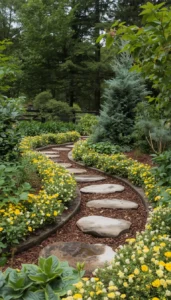
Combine Plants in Organic Arrangements
Arranging flowers in a less structured way gives the garden a more natural and effortless appearance. Group plants in soft clusters rather than perfect rows, and let colors blend gently. This approach works well for cottage style gardens, wildflower beds, and relaxed backyard landscapes.
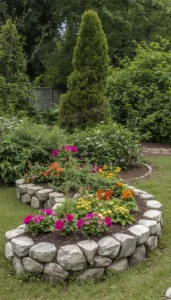
Decorative Edging and Borders for a Finished Look
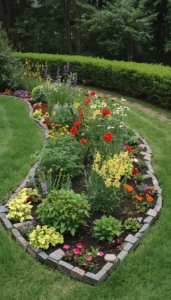
Edges and borders help define your flower beds and add an extra layer of style to your garden. A well chosen border keeps soil and mulch in place while making the entire design look more complete. Edging can be subtle, rustic, modern, or decorative depending on the style of your outdoor space.
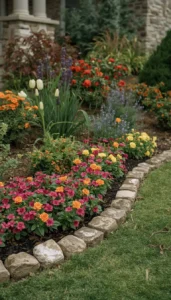
Use Stone or Brick Edging
Solid materials create a clean boundary while adding texture and durability. Stone edging gives a natural look, while brick brings warmth and classic charm. Both options work well along lawns, pathways, and front yard flower beds where you want a strong and polished outline.
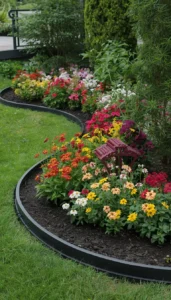
Try Metal or Modern Edging Styles
Sleek edging options give the garden a contemporary look and keep the design sharp. Metal borders are thin, durable, and useful for creating clean lines around flower beds. This style works especially well in modern landscapes where simple shapes and tidy finishes are important.
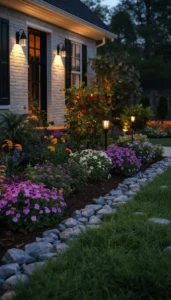
Add Lighting Along the Borders
Soft lighting highlights the flower bed at night and enhances the overall ambiance of the space. Small garden lights, pathway lights, or low border lights can make the flowers more visible after sunset. Lighting also improves safety around paths while giving the garden a warm and inviting glow.
Transform Your Garden into a Colorful Retreat
A thoughtfully designed flower bed can bring life, color, and structure to your outdoor space while making it feel more inviting and enjoyable. By combining layered planting, balanced color schemes, raised beds, low maintenance choices, curved shapes, and decorative borders, you can create a garden that looks beautiful throughout the seasons. Focus on harmony, simple care, and creative placement so the flower beds feel natural and well planned. With the right plants and layout, your garden can become a colorful retreat that adds charm, freshness, and lasting beauty to your home.
