
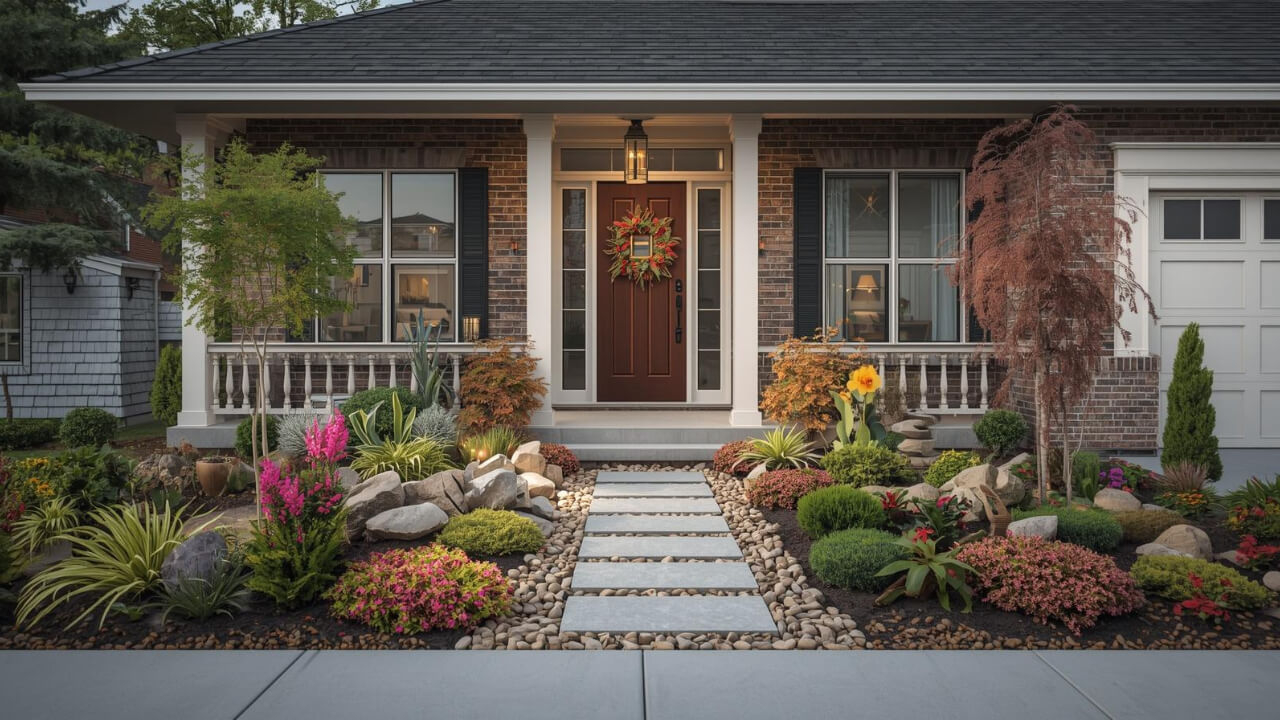
Your front yard is the first impression of your home, and a thoughtfully planned landscape can instantly make it feel more welcoming, polished, and visually appealing. With the right combination of plants, pathways, lighting, borders, and layout, even a simple outdoor space can feel intentional and full of charm. Good front yard landscaping is not only about beauty, it also improves flow, highlights your entry, and makes everyday maintenance easier. These front yard landscaping ideas will help you create a balanced and attractive space that enhances both style and function.
Layered Planting Designs for Depth and Visual Interest
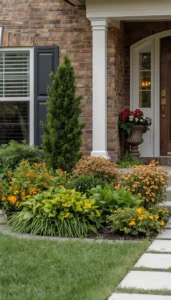
A layered planting approach adds dimension to your front yard while making the space look full and well structured without feeling overcrowded. By arranging plants at different heights, you can create movement, texture, and a more natural flow. This method works beautifully along walkways, fences, porch edges, and foundation beds where structure matters.
Combine Tall, Medium, and Low Plants
Using plants of different heights creates a natural flow and ensures that every layer of the yard feels visually connected and balanced. Taller shrubs or ornamental grasses can sit toward the back, medium plants can fill the middle, and low flowers or ground covers can soften the front edge beautifully.
Use Seasonal Plants for Year Round Appeal
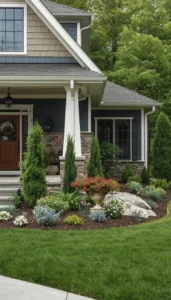
Mixing evergreen shrubs with seasonal flowers keeps the yard looking fresh and vibrant throughout changing weather conditions. Evergreens provide structure when flowers fade, while seasonal blooms add color and variety. This combination helps your front yard feel attractive in spring, summer, fall, and even quieter winter months.
Group Plants in Clusters for Impact
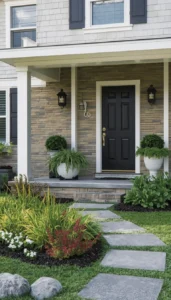
Arranging plants in groups rather than single placements creates a fuller look and helps highlight specific areas of your landscape. Repeating the same plant in clusters can make the design feel more polished. It also prevents the yard from looking scattered, especially in larger front spaces.
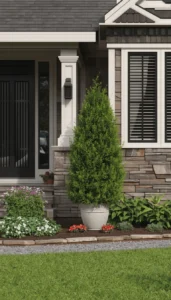
Defined Walkways That Guide the Eye
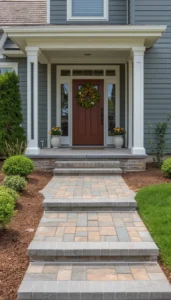
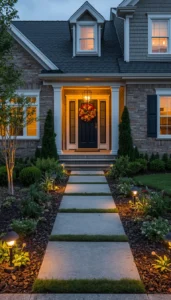
Walkways not only improve functionality but also play a major role in shaping the overall design of your front yard. A clear path naturally guides visitors toward the entrance while creating structure and movement. The material, shape, and edging of the walkway can make the whole yard feel more organized and inviting.
Use Stone or Paver Paths
Natural stone or pavers create a durable and stylish path that blends seamlessly with outdoor surroundings. They add texture, shape, and a finished look to the front yard. Choose colors that complement your home exterior, porch, and garden beds so the path feels connected to the overall design.
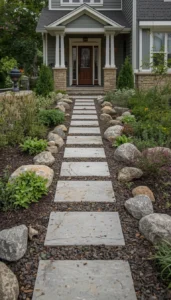
Add Curved Pathway Designs
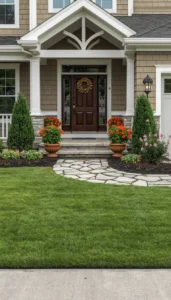
Gentle curves make the space feel more inviting and add a sense of movement to the layout. A curved path can soften straight architectural lines and make the front yard feel more relaxed. This design works especially well when surrounded by layered plants, mulch, gravel, or soft flower borders.
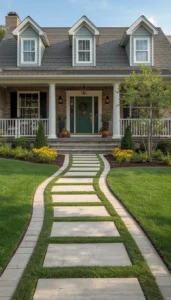
Highlight Edges with Plants or Lights
Defining the sides of walkways enhances visibility while adding a decorative touch that ties the design together. Low plants, small shrubs, border flowers, or pathway lights can frame the walkway beautifully. This detail makes the path easier to see and gives your front yard a more finished appearance.
Low Maintenance Landscaping for Easy Care
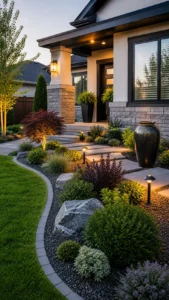
A well planned front yard should be easy to maintain while still looking clean and attractive. Choosing practical plants, simple layouts, and durable materials can reduce daily upkeep without sacrificing beauty. Low maintenance landscaping is especially helpful for busy homeowners who want curb appeal that stays fresh with less effort.
Choose Drought Tolerant Plants
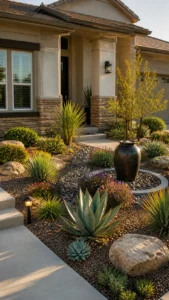
Plants that require less water help reduce maintenance while still providing greenery and texture. Options like ornamental grasses, lavender, succulents, hardy shrubs, and native plants can perform well in suitable climates. Choosing plants that match your local conditions makes the front yard easier to care for.
Use Mulch for Clean and Polished Beds
Mulch keeps soil in place, reduces weeds, and gives planting areas a neat and finished appearance. It also helps retain moisture, which supports healthier plants during warm weather. A fresh layer of mulch can instantly refresh flower beds and make the entire front yard look cleaner.
Limit Lawn Size for Simplicity
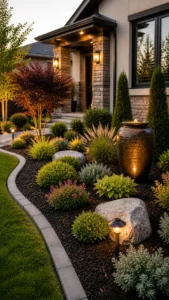
Reducing grass areas and replacing them with plants or hardscape elements makes upkeep easier. Smaller lawn sections require less mowing, watering, and trimming. You can use garden beds, gravel areas, ground covers, or pathways to create a more structured front yard that still feels green and welcoming.
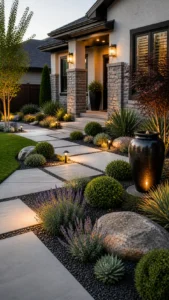
Statement Entry Features for a Welcoming Look
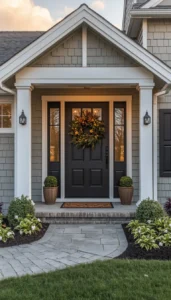
The entrance of your home should feel inviting and visually appealing, setting the tone for the entire property. A strong entry design helps guide attention toward the front door and makes the home feel more complete. Simple details like planters, symmetry, and a clear walkway can create a polished welcome.
Add Symmetrical Plant Arrangements
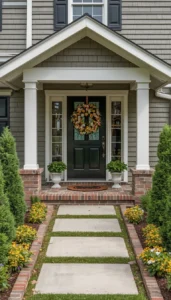
Matching plants or planters on both sides of the entrance create a balanced and elegant look. Symmetry works well near doors, steps, gates, and porch corners because it feels neat and intentional. Use matching shrubs, flowers, or tall planters to frame the entry with style.
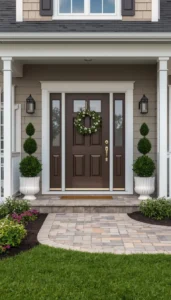
Use Decorative Planters with Height Variation
Combining planters of different sizes adds dimension and makes the entry area more dynamic. Tall planters can add height, medium pots can hold colorful blooms, and smaller containers can soften steps or corners. Keeping the colors coordinated helps the display feel stylish rather than crowded.
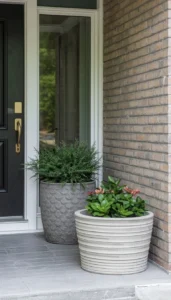
Incorporate a Defined Front Door Path
A clear and well designed path to the entrance improves both function and visual appeal. It helps guests understand the natural flow of the yard and makes the front door feel more welcoming. Use pavers, stone, gravel, or edged concrete to create a clean and purposeful route.
Outdoor Lighting That Enhances Evening Appeal
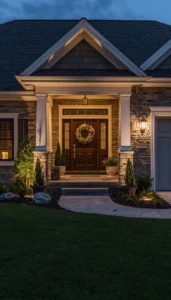
Lighting adds both safety and beauty while highlighting the best features of your front yard. A thoughtful lighting plan can make walkways safer, plants more visible, and the entrance warmer after sunset. Soft outdoor lighting also creates atmosphere and helps your home look welcoming during evening hours.
Install Pathway Lighting for Guidance
Lights along walkways improve visibility and create a welcoming atmosphere after sunset. Low path lights can guide visitors safely while adding a gentle glow to the landscape. Place them evenly along the walkway edges for a clean look that feels practical, balanced, and attractive.
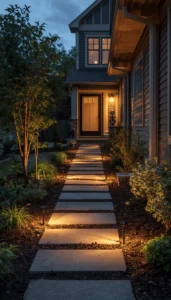
Use Accent Lighting on Plants and Features
Focused lighting highlights trees, shrubs, or architectural details and adds depth to the space. Uplighting a small tree, lighting a textured wall, or softly illuminating garden beds can make the yard feel more layered. Accent lighting works best when used sparingly for a natural effect.
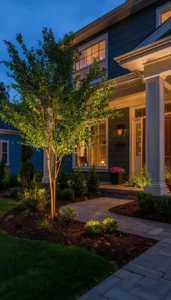
Add Soft Warm Lighting Near the Entry
Gentle lighting around the entrance enhances comfort and creates an inviting glow. Wall lights, lanterns, or small porch fixtures can make the doorway feel cozy and secure. Warm light usually feels more welcoming than harsh bright light, especially when paired with plants and entry decor.
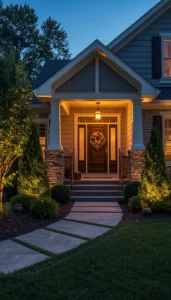
Hardscape Elements for Structure and Style
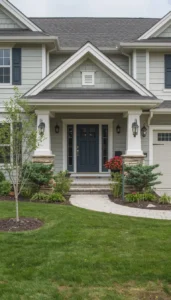
Hardscape features provide structure and help define different areas within your front yard. Materials like stone, gravel, edging, and retaining walls can make the landscape feel organized and long lasting. These elements also balance soft planting areas and give the overall design a cleaner, more polished appearance.
Use Gravel or Stone Areas for Texture
These materials add contrast and reduce maintenance while enhancing the overall design. Gravel can fill open spaces, frame planting beds, or create a clean base around stepping stones. Stone areas also pair well with drought tolerant plants, modern pathways, and simple front yard layouts.
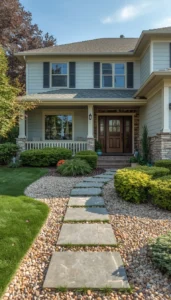
Add Retaining Walls for Layered Landscaping
Walls help manage elevation changes and create visually interesting levels. A small retaining wall can define planting areas, support sloped yards, and add structure to the landscape. Stone, block, or wood materials can be selected to match your home exterior and overall garden style.
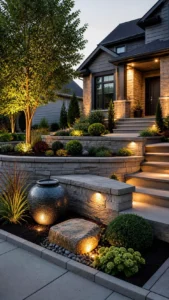
Incorporate Decorative Borders and Edging
Clean edges between lawn, plants, and pathways give the yard a neat and organized look. Borders can be made from brick, stone, metal, or concrete depending on the style you prefer. Edging also helps keep mulch, gravel, and grass in place for easier maintenance.
Create a Front Yard That Leaves a Lasting Impression
A thoughtfully designed front yard can completely transform how your home looks and feels from the outside. By combining layered planting, defined walkways, low maintenance choices, statement entry details, outdoor lighting, and structured hardscape elements, you can create a space that feels both welcoming and stylish. Focus on balance, simplicity, and natural beauty so every part of the landscape works together. With the right layout and materials, your front yard can become a polished outdoor space that adds curb appeal, comfort, and lasting character to your home.
