
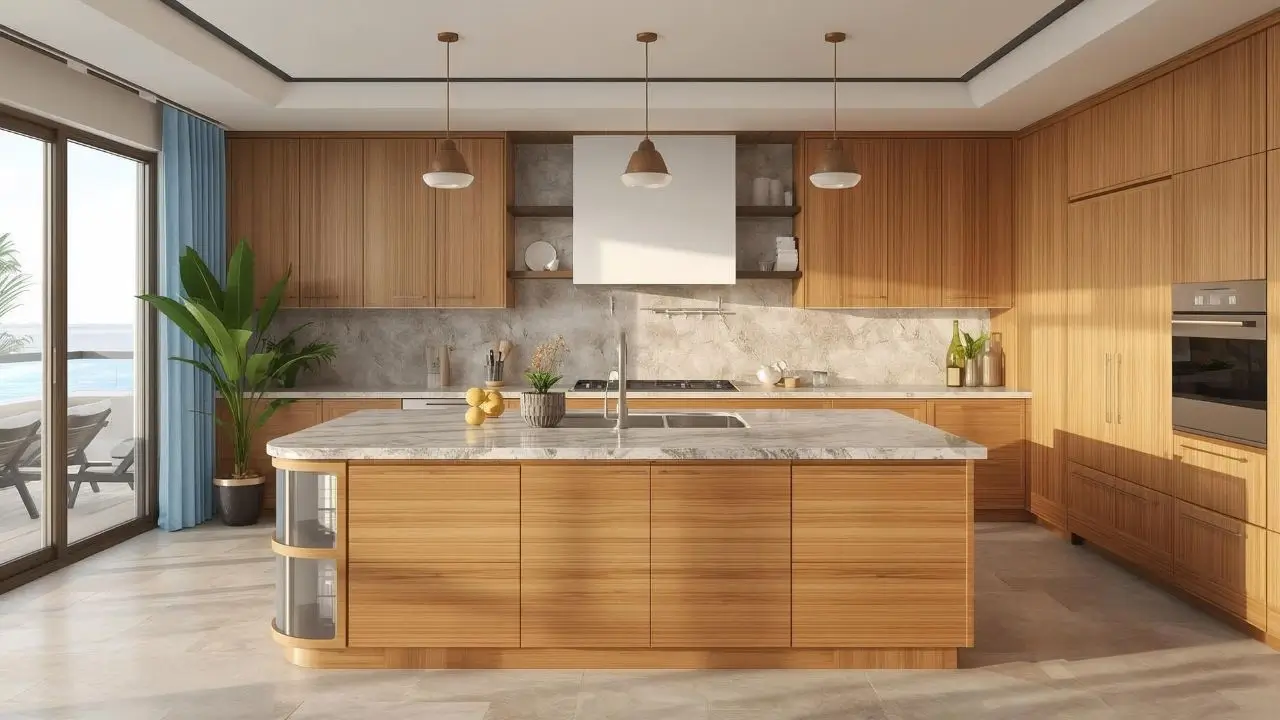
A kitchen island is more than extra counter space. It often becomes the heart of the kitchen where cooking, gathering, storage, and casual dining come together in one practical area. A well designed island improves workflow, enhances style, and adds valuable functionality to almost any kitchen layout. It can create a natural place for food prep, serving, homework, conversation, and everyday meals. The best island designs balance beauty with purpose, using durable materials, smart storage, comfortable seating, and thoughtful lighting. Whether you have a large open kitchen or a compact space, these island kitchen ideas focus on smart layouts, stylish finishes, and practical features that make everyday living easier and more enjoyable.
Whether you have a large open kitchen or a compact space, these island kitchen ideas focus on smart layouts, stylish finishes, and practical features that make everyday living easier and more enjoyable.
Multi Purpose Kitchen Islands for Everyday Use
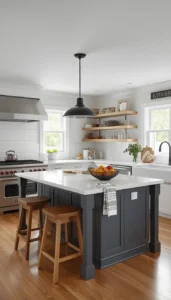
A versatile island supports multiple activities. In a busy kitchen, the island may need to work as a prep area, breakfast spot, storage zone, serving station, and gathering place. Designing it with several functions in mind helps the kitchen feel more efficient and easier to use. The key is making each feature feel intentional rather than crowded.
Add seating for casual meals
Bar stools create an inviting gathering spot. Island seating is perfect for quick breakfasts, coffee, snacks, or relaxed conversations while cooking. Choose stools that fit the island height properly and leave enough space between seats so the area feels comfortable instead of cramped.
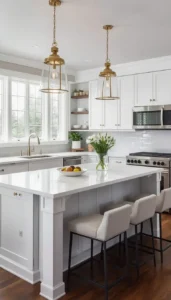
Include storage within the island
Drawers and cabinets keep essentials close. Island storage can hold cookware, utensils, cutting boards, linens, serving pieces, or small appliances. Keeping frequently used items near the main work area saves time and helps the rest of the kitchen stay cleaner and more organized.
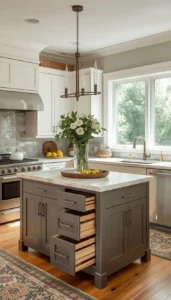
Design work zones intentionally
Separate prep and serving areas improve efficiency. One side of the island can support chopping and cooking tasks, while another side can serve food or provide seating. Clear zones help the island function smoothly, especially when more than one person uses the kitchen.
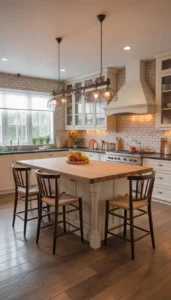
Waterfall Countertops for a Modern Look
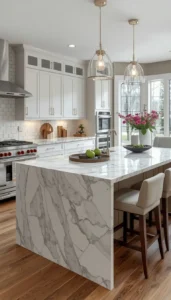
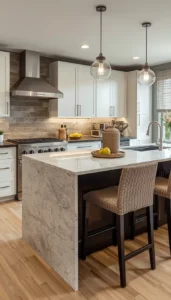
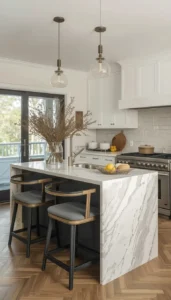
Waterfall edges add elegance and continuity. This design carries the countertop material down the sides of the island, creating a clean and polished look. It works especially well in modern, transitional, and luxury kitchens because it makes the island feel more like a statement feature while still remaining practical.
Choose durable countertop materials
Quartz and stone perform well. Since an island often handles food prep, spills, seating, and daily use, the surface should be strong and easy to maintain. Durable materials help the island stay beautiful while supporting the demands of everyday cooking and gathering.
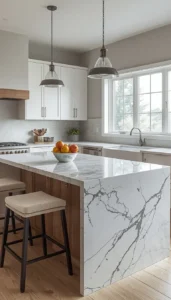
Keep edges clean and simple
Sharp lines enhance modern style. A waterfall countertop looks best when the edges are neat, straight, and carefully finished. Clean lines create a sleek appearance and allow the material itself to become the main visual feature of the island.
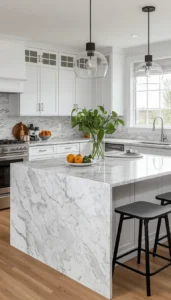
Match with neutral cabinetry
Balance prevents visual overload. When the waterfall countertop is bold or highly textured, neutral cabinet colors can keep the design calm. White, beige, gray, black, or natural wood cabinetry helps the island feel stylish without overwhelming the kitchen.
Contrasting Island Colors for Visual Interest
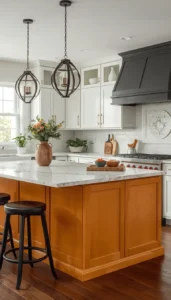
Two tone kitchens feel dynamic and stylish. Using a different color on the island can create a focal point and make the kitchen feel more custom. A contrasting island works especially well when the surrounding cabinets are simple, allowing the center of the kitchen to stand out in a balanced way.
Use darker island tones
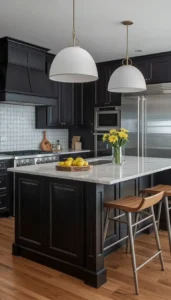
Contrast creates a focal point. Navy, charcoal, forest green, espresso, or matte black can make an island feel grounded and elegant. Darker tones add depth and help define the island as a strong design feature within the kitchen.
Keep perimeter cabinets light
Light colors maintain openness. White, cream, pale gray, or light wood cabinets around the kitchen keep the space bright while allowing the island to feel more dramatic. This balance is helpful in both open kitchens and smaller layouts.
Coordinate hardware finishes
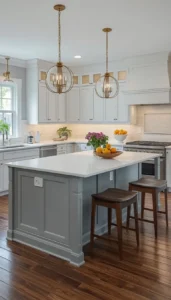
Consistency enhances cohesion. Matching or complementary hardware on the island and perimeter cabinets helps the design feel connected. Repeating the same metal finish through handles, faucets, lighting, and appliances creates a polished and thoughtful look.
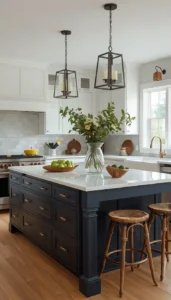
Storage Focused Islands for Organized Kitchens
Storage increases kitchen efficiency. A well planned island can reduce clutter and make everyday cooking easier by keeping important items close to where they are used. Drawers, cabinets, shelves, and hidden compartments can turn the island into one of the most useful storage areas in the kitchen.
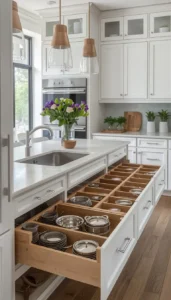
Use deep drawers for cookware
Easy access saves time. Deep drawers are ideal for pots, pans, mixing bowls, lids, and baking dishes. They make it easier to see and reach items compared with deep lower cabinets where cookware can become stacked and difficult to manage.
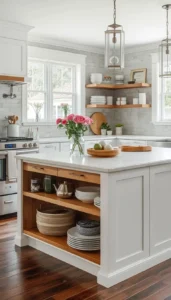
Add open shelves for display items
Keeps frequently used pieces visible. Open shelves can hold cookbooks, bowls, baskets, or attractive serving pieces. Keep the arrangement simple and coordinated so the shelves feel useful and decorative without making the island look cluttered.
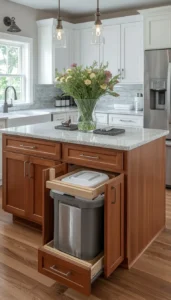
Include pull out trash storage
Maintains cleanliness. A hidden pull out trash or recycling bin keeps waste close to the prep area without leaving bins exposed. This feature makes cooking cleanup easier and helps the kitchen maintain a cleaner, more streamlined appearance.
Seating Friendly Islands for Social Spaces
Islands often serve as casual dining areas. They create a relaxed place for family, guests, or children to sit while meals are prepared. Good seating design requires more than adding stools. The island should provide proper height, spacing, comfort, and durable materials so the area works well every day.
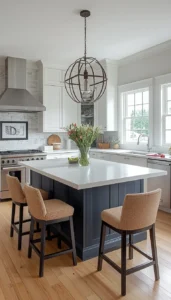
Choose comfortable stool heights
Proper sizing improves comfort. Counter height and bar height stools are different, so choose seating that matches the island surface. When stool height is correct, people can sit comfortably without feeling too low, too high, or awkward during meals.
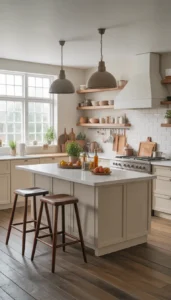
Allow adequate legroom
Comfortable spacing encourages longer seating. The island overhang should provide enough room for knees, and each stool should have space on both sides. Good spacing prevents the seating area from feeling crowded and makes the island more enjoyable to use.
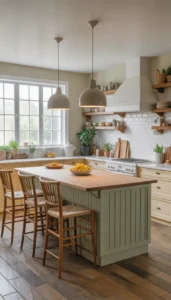
Use durable upholstery materials
Easy care fabrics perform best. If stools have cushions or upholstered seats, choose materials that resist stains and clean easily. Leather, performance fabric, vinyl, or washable covers are practical options for busy kitchens where spills are common.
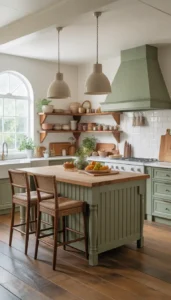
Built In Appliances for Functional Islands
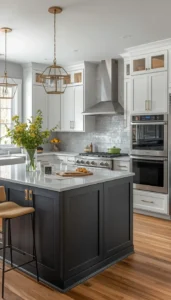
Integrated appliances improve workflow. Adding appliances to the island can make cooking, reheating, washing, or prepping more convenient. The right built in features depend on how you use your kitchen. They should support daily tasks without making the island feel overcrowded or difficult to move around.
Add a prep sink
Improves food preparation efficiency. A small sink on the island is helpful for rinsing produce, washing hands, or filling pots. It works especially well when placed near the main prep zone, creating a practical second work area in larger kitchens.
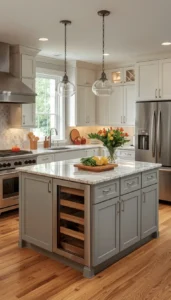
Install a microwave drawer
Saves counter space. A microwave drawer keeps the appliance hidden below the countertop while still making it easy to access. This option helps maintain a clean kitchen look and frees up wall or counter space for other uses.
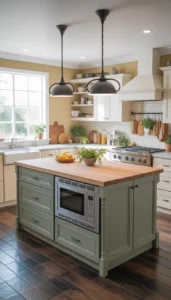
Include power outlets discreetly
Supports small appliances. Outlets make it easier to use mixers, blenders, laptops, chargers, or coffee tools at the island. Place them discreetly on the side, under the counter edge, or in approved pop up designs so function does not interrupt the style.
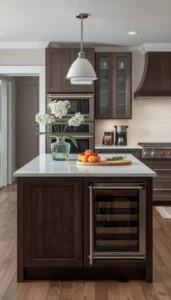
Lighting That Highlights the Island Area
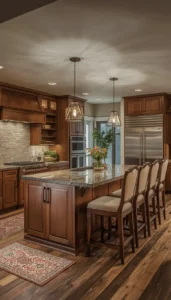
Lighting defines the island visually. Since the island is often the main feature in the kitchen, lighting should make it feel purposeful and welcoming. Good island lighting improves visibility for cooking while also adding style, balance, and atmosphere. Pendants are popular, but placement and bulb tone matter just as much.
Use pendant lights for focus
They create a design statement. Pendant lights above the island help define the area and add visual interest. Choose shapes, finishes, and sizes that suit the kitchen style, whether modern, farmhouse, coastal, traditional, or minimal.
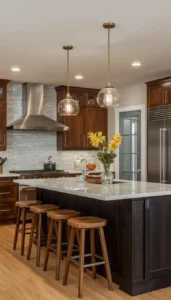
Choose warm lighting tones
Enhances comfort and ambiance. Warm light makes the kitchen feel more inviting and softens hard surfaces like stone, tile, and metal. It also helps the island feel welcoming for meals, conversations, and evening gatherings.
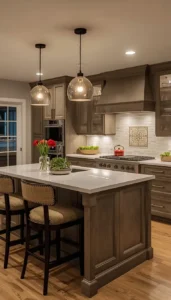
Space lighting evenly
Balanced lighting prevents shadows. Pendants should be centered and spaced according to the island length. Even spacing keeps the countertop well lit and creates a more polished appearance, especially when the island is used for food prep and dining.
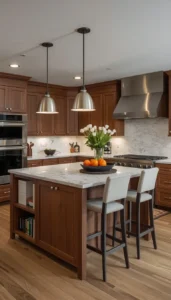
Natural Wood Islands for Warmth and Texture
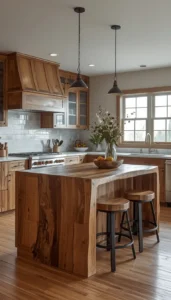
Wood brings warmth into kitchens. A natural wood island can soften sleek finishes, add organic texture, and make the kitchen feel more welcoming. It works beautifully with white cabinets, stone countertops, matte hardware, and neutral palettes. The right wood tone can make the island feel timeless and full of character.
Choose sealed wood finishes
Protects from moisture and stains. Kitchens deal with spills, heat, and daily cleaning, so wood needs proper protection. A sealed finish helps preserve the island’s beauty while making it easier to maintain through everyday cooking and family use.
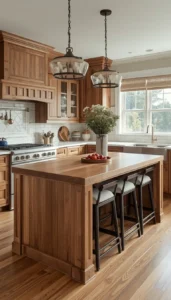
Pair with light countertops
Creates contrast. A wood island base with a white, cream, or pale stone countertop feels bright and balanced. The lighter surface keeps the island from feeling too heavy while allowing the wood grain to add warmth and depth.
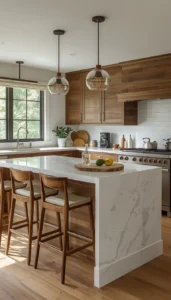
Match wood tones with flooring
Consistency enhances harmony. The island wood does not need to match the floor exactly, but the undertones should feel related. Coordinating warm, cool, or neutral wood tones helps the kitchen feel more connected and thoughtfully designed.
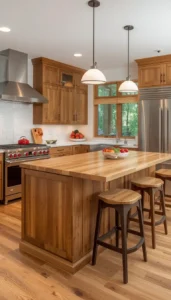
Compact Island Ideas for Small Kitchens
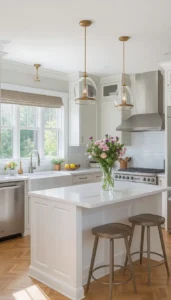
Small kitchens can still benefit from islands. The key is choosing a design that improves function without blocking movement. A compact island can provide prep space, storage, or seating when sized correctly. In tight layouts, narrow profiles, movable carts, and simple designs often work better than oversized built in islands.
Use narrow island designs
Maintain clear walkways. A slim island can add useful workspace without making the kitchen feel crowded. Leave enough room around all sides for appliance doors, cabinet access, and comfortable movement while cooking or cleaning.
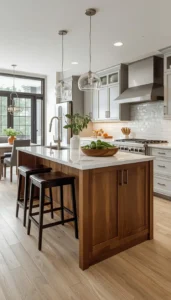
Choose movable island carts
Flexibility improves usability. A rolling island can move where needed and tuck away when extra space is required. This option works well in apartments, small kitchens, or flexible layouts that need extra prep space only part of the time.
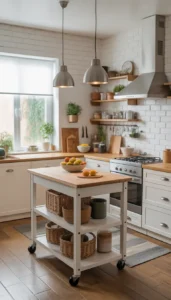
Keep island storage minimal
Avoid visual heaviness. In a small kitchen, too many shelves, drawers, or bulky details can make the island feel large. Choose simple storage features that are useful but light enough to keep the kitchen open and easy to navigate.
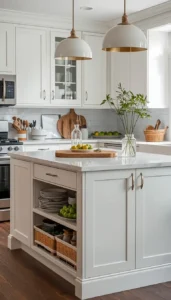
Decorative Styling for a Polished Look
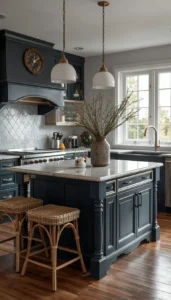
Small details elevate the island. Styling should make the island feel finished without interfering with food prep or seating. A few thoughtful accessories can add warmth, color, and personality while keeping the surface practical. The best island decor is simple, useful, and easy to move when needed.
Add simple center decor
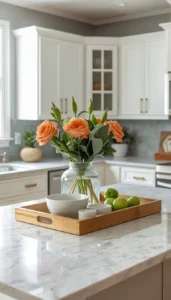
Bowls or trays create visual interest. A fruit bowl, ceramic vase, wooden tray, or small greenery arrangement can make the island feel styled. Keep the piece low and proportional so it does not block sight lines or take over the surface.
Keep surfaces uncluttered
Clean counters feel spacious. Since islands are used for many daily tasks, too many objects can make them less functional. Store appliances, papers, and supplies elsewhere so the island remains open for cooking, serving, and gathering.
Coordinate accessories
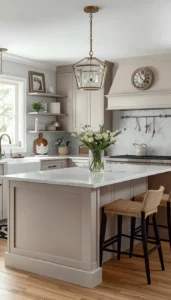
Unified colors enhance style. Choose decor, stools, lighting, and hardware that share similar tones or finishes. Coordinated accessories help the island feel connected to the rest of the kitchen and create a more polished overall look.
Create an Island Kitchen That Becomes the Heart of Your Home
A thoughtfully designed kitchen island adds beauty, function, and comfort to daily life. By focusing on smart layouts, durable materials, lighting, seating, and practical storage, you can create an island that truly enhances how your kitchen works and feels. Start by deciding what the island needs to do most, whether that is food prep, storage, casual dining, or entertaining. Then choose finishes, appliances, and decor that support those needs without overcrowding the space. With the right balance of function and style, a kitchen island can become the most useful and inviting feature in your home.
If you enjoy creating stylish and functional kitchens, exploring more kitchen layout ideas, storage solutions, and design inspiration can help you continue shaping a home that feels welcoming and beautifully organized.
More Decor Ideas You’ll Love
- Mud Room Laundry Room Combo Ideas That Keep Your Home Organized and Stylish
- Small Narrow Laundry Room Ideas That Make Tight Spaces Feel Functional and Stylish
- Small Laundry Room Ideas That Maximize Space and Style
- Laundry Room Ideas That Make Everyday Chores Feel Organized and Stylish
- Japandi Dining Room Ideas That Feel Calm and Timeless
