
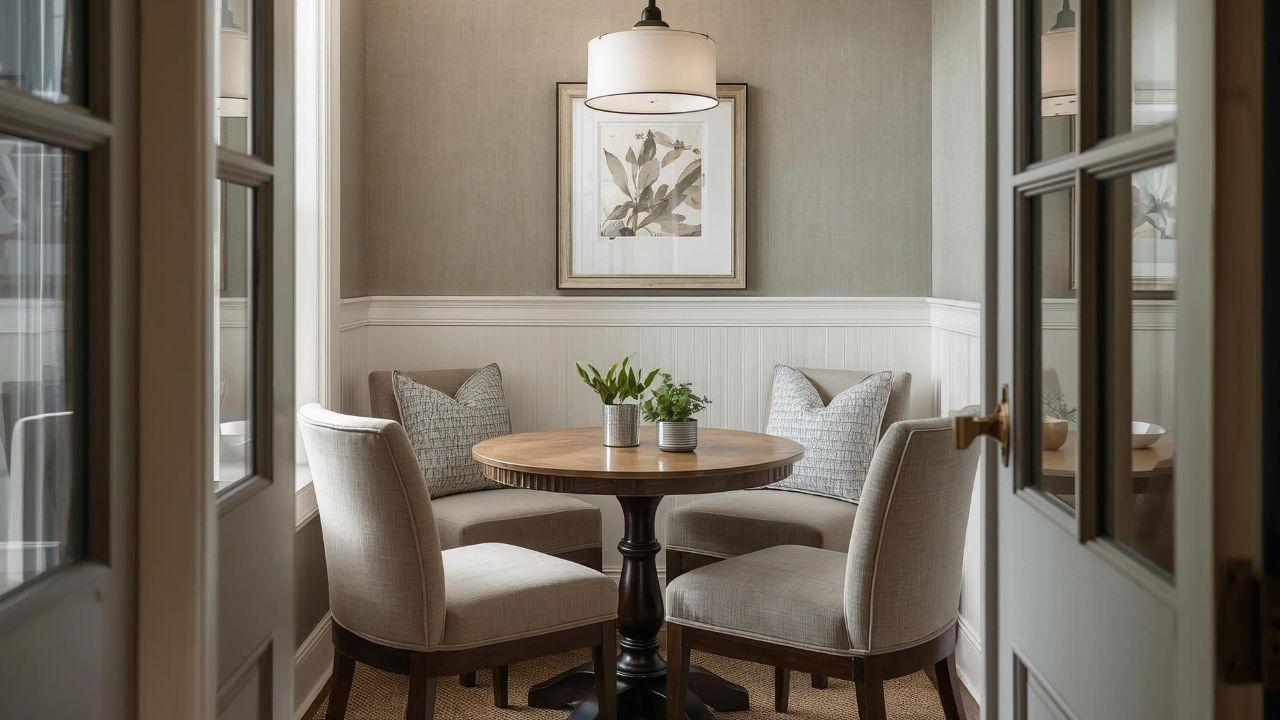
A small dining nook can become one of the most charming and useful spaces in your home when styled thoughtfully. Whether tucked into a kitchen corner, near a window, or in a compact apartment, dining nooks offer an intimate setting for meals, coffee breaks, work sessions, and casual conversations. With the right design approach, even the smallest nook can feel inviting, organized, and visually complete. These small dining nook ideas focus on smart layouts, cozy textures, space saving furniture, warm lighting, and stylish details that help maximize comfort while keeping the area beautiful and practical.
These small dining nook ideas focus on smart layouts, cozy textures, and stylish details that help maximize space while keeping the area warm and welcoming.
Built In Seating for a Space Saving Layout
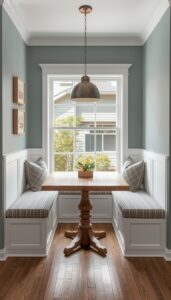
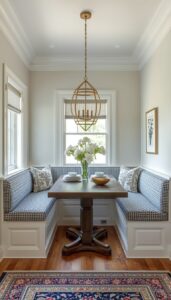
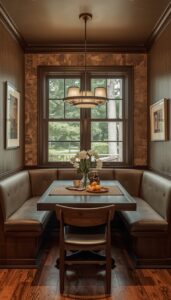
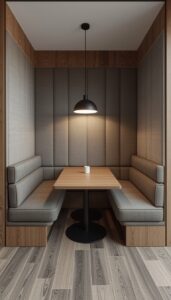
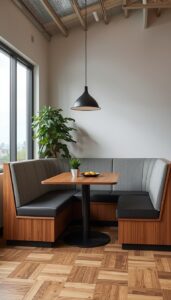
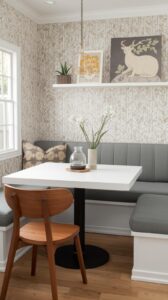
Built in seating is a favorite choice for small dining nooks because it maximizes seating without crowding the space. It works especially well in corners, bay windows, kitchen alcoves, and narrow dining areas where loose chairs may feel bulky. A built in bench can make the nook feel intentional, custom, and comfortable while saving valuable floor space.
Use bench seating along walls
Benches fit neatly into corners and make the nook feel custom designed. Placing seating against the wall opens the center of the space and allows more people to sit comfortably. This setup is ideal for compact kitchens, breakfast corners, and small apartment dining areas.
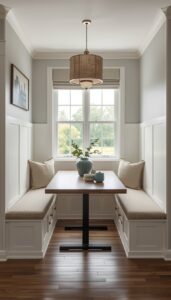
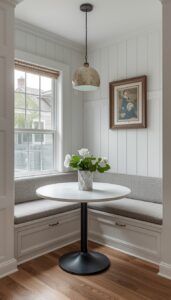
Add hidden storage underneath
Storage benches keep essentials tucked away and reduce clutter. The space under the seat can hold table linens, extra dishes, seasonal decor, or kitchen items. Hidden storage is especially useful in small homes because it adds function without needing another cabinet or shelf.
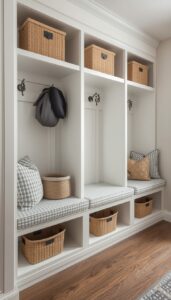
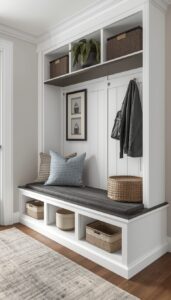
Keep cushions slim and supportive
Low profile cushions maintain comfort without taking up extra space. Choose firm cushions that are easy to sit on during meals and simple to clean. Slim padding keeps the bench looking neat while adding softness, warmth, and a more finished dining nook style.
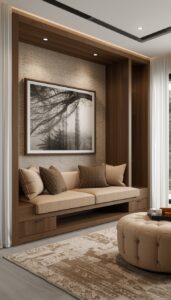
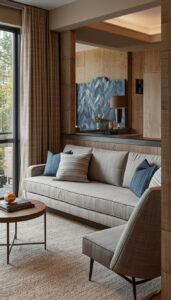
Round Tables That Improve Flow
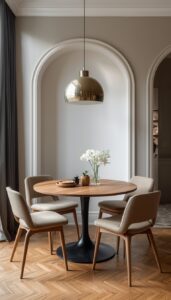
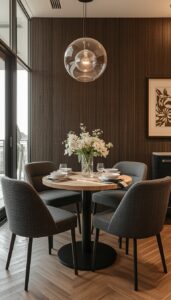
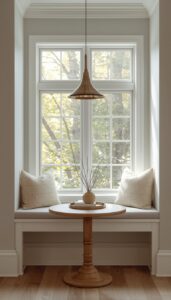
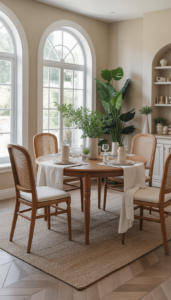
Table shape makes a big difference in compact dining areas. Round tables are especially helpful because they remove sharp corners and allow smoother movement around the nook. They also create a softer, more intimate feeling that works beautifully for small meals, morning coffee, and relaxed conversations.
Choose a small round table
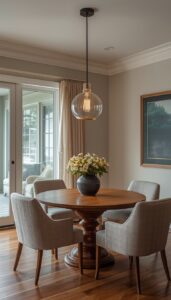
Round tables allow easier movement in tight spaces. Their curved shape helps prevent the nook from feeling boxed in or cramped. A small round table also encourages conversation because everyone sits closer together, creating a cozy and welcoming dining experience.
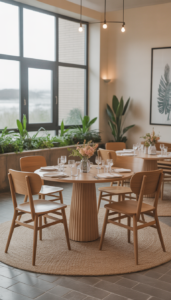
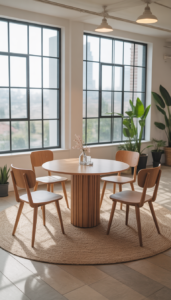
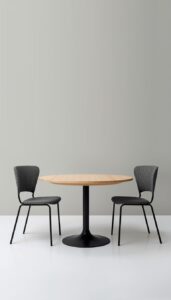
Opt for pedestal bases
A single base creates more legroom and openness. Pedestal tables make it easier to slide in and out of bench seating or compact chairs. They also reduce visual clutter under the table, helping a small dining nook feel lighter and more spacious.
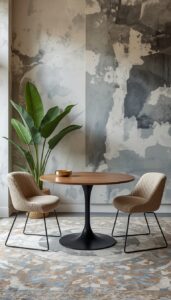
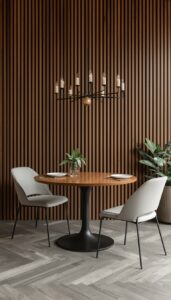
Keep table size proportional
A table that fits the nook comfortably prevents overcrowding. Leave enough room for people to sit, move, and pull chairs out easily. A properly sized table makes the nook feel balanced, practical, and pleasant to use every day.
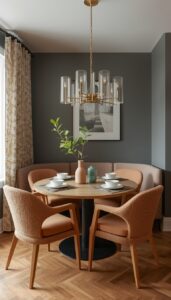
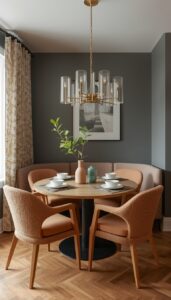
Cozy Window Nooks for Natural Light
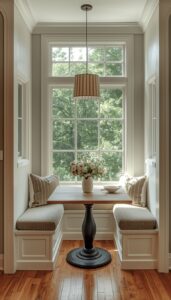
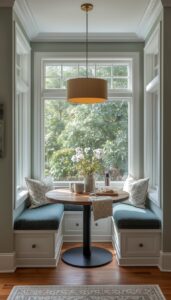
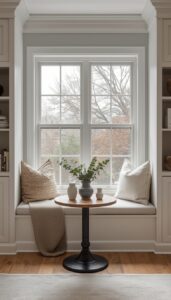
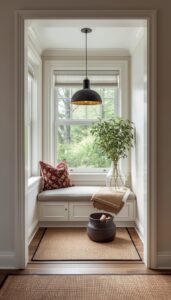
Window side dining nooks feel especially inviting and bright. Natural light can make a small space feel larger, fresher, and more cheerful. A nook near a window is perfect for breakfast, reading, working, or enjoying quiet moments while still making use of an overlooked corner.
Position seating near the window
Natural light makes the space feel larger and more cheerful. Placing the bench or chairs close to the window creates a bright focal point. It also makes the dining nook feel more connected to the outdoors, which adds softness and comfort.
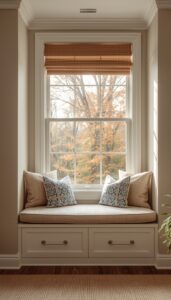
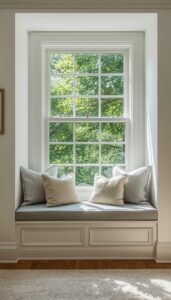
Use light fabrics for cushions
Soft tones help reflect light and keep the area airy. Cream, beige, pale gray, or muted pastel cushions work well in window nooks. Light fabrics prevent the seating from feeling heavy and help the entire corner feel calm, fresh, and cozy.
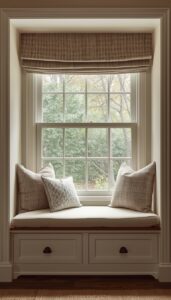
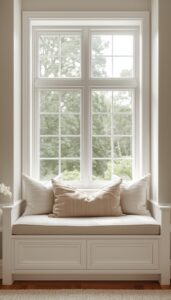
Add a simple table centerpiece
Minimal decor keeps the view open and uncluttered. A small vase, candle, bowl, or plant is often enough for a window dining nook. Keeping the table simple allows natural light and the surrounding view to remain the main feature.
Wall Decor That Adds Personality Without Clutter
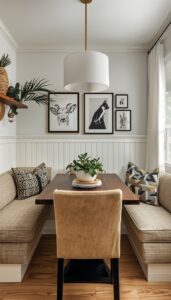
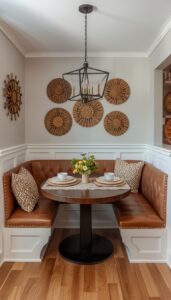
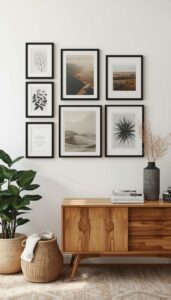
Decorating the walls helps define the dining nook as its own space. In a small area, wall decor should add charm without making the nook feel crowded. A few carefully chosen pieces can bring warmth, color, and personality while still keeping the overall look clean and balanced.
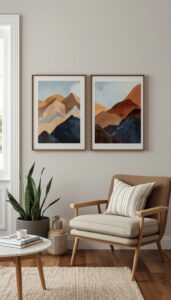
Use artwork or prints
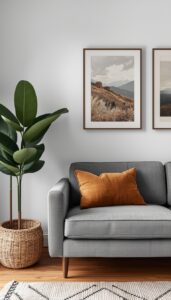
One or two pieces add character without overwhelming the nook. Choose artwork that matches your kitchen or dining area colors for a cohesive feel. Simple prints, food inspired art, landscapes, or abstract pieces can make the nook feel styled and personal.
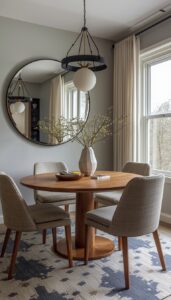
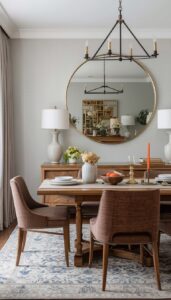
Try a mirror for depth
Mirrors visually expand small dining areas. A mirror above a bench or side wall can reflect light and make the nook feel more open. Choose a round, arched, or simple framed mirror to add style without creating visual heaviness.
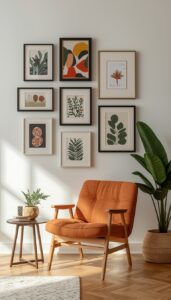
Keep wall decor cohesive
Matching frames or tones maintain a clean look. When decor shares similar colors, materials, or finishes, the nook feels more intentional. This is especially important in small spaces where too many different styles can quickly feel busy.
Lighting That Creates a Warm Dining Atmosphere
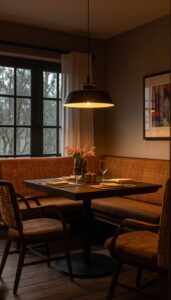
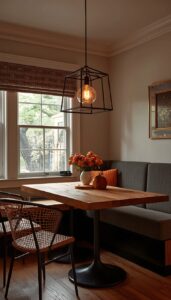
Lighting plays an important role in making a dining nook feel cozy. A small space can feel much more finished when it has its own dedicated light source. Good lighting helps define the nook, adds warmth, and makes the area more comfortable for meals, coffee, or evening conversations.
Install a pendant light
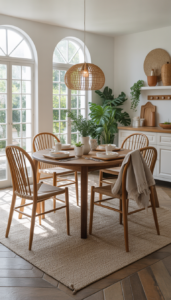
A pendant anchors the space and adds style. Hanging one light above the table creates a clear focal point and makes the nook feel purposeful. Choose a design that fits the scale of the table so it adds charm without overwhelming the area.
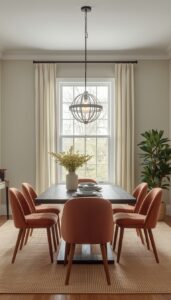
Choose warm lighting tones
Soft light enhances comfort and mood. Warm bulbs make a dining nook feel more inviting, especially in the evening. They also work beautifully with wood furniture, neutral cushions, woven textures, and cozy kitchen finishes.
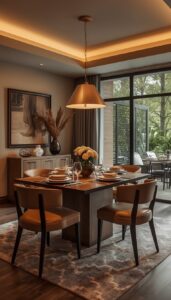
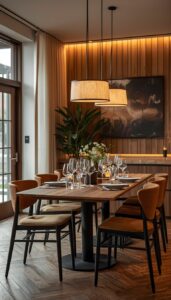
Keep fixtures scaled to the nook
Smaller fixtures prevent visual heaviness. Large lights can overpower a compact dining area and make it feel crowded. Slim pendants, small shades, or simple sconces provide function and style while keeping the nook balanced.
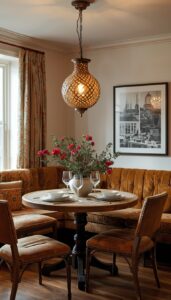
Color Palettes That Enhance Small Spaces
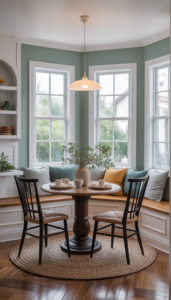
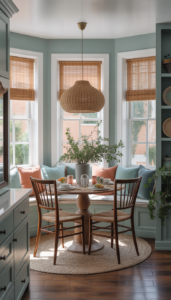
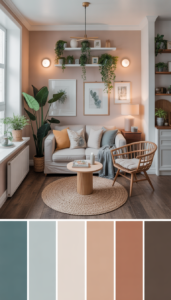
Color choice impacts how spacious a dining nook feels. Light, cohesive palettes can make the area feel open, while small accents add warmth and personality. The goal is to connect the nook with the surrounding room while still giving it enough character to feel special.
Use light and neutral tones
They help keep the nook open and airy. White, cream, beige, soft gray, and pale wood tones work well in compact dining areas. These shades reflect light and make the nook feel calm, fresh, and easy to style.
Add contrast through accents
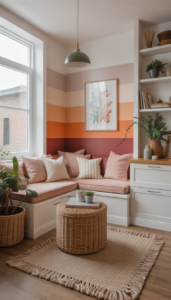
Cushions or table decor introduce interest. A darker chair, patterned pillow, black frame, or warm wood table can ground the space. Small accents add depth without making the dining nook feel visually heavy or cluttered.
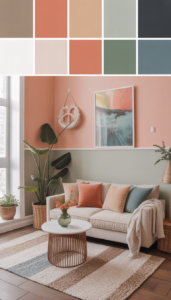
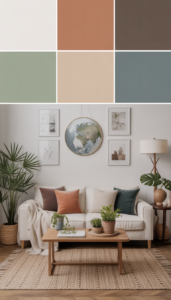
Keep colors consistent nearby
Matching nearby walls creates visual flow. If the nook connects to a kitchen or living area, repeat similar tones through furniture, textiles, or decor. This makes the small dining area feel integrated rather than separate or squeezed in.
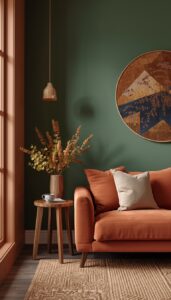
Flexible Furniture for Multi Purpose Use
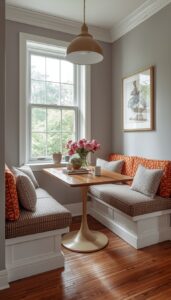
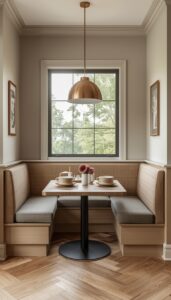
Small dining nooks often serve more than one purpose. They may work as a breakfast spot, homework area, work corner, or coffee space. Flexible furniture helps the nook adapt to different needs while keeping the layout practical and easy to use throughout the day.
Use stackable or lightweight chairs
They can be moved easily when needed. Lightweight chairs are helpful when the dining nook needs to change for guests, cleaning, or extra floor space. Stackable designs also work well in apartments or small homes where storage matters.
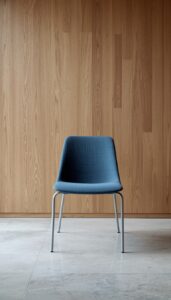
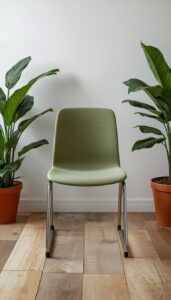
Choose tables with simple designs
Clean lines work best in small areas. A simple table keeps the nook from feeling crowded and makes it easier to pair with different seating styles. Avoid heavy bases or bulky shapes if you want the area to feel open.
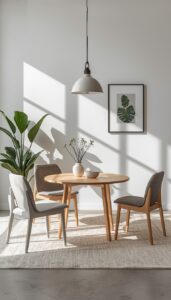
Keep the layout adaptable
Flexible seating allows the nook to evolve. A bench with movable chairs, a small table, or stools that tuck away can support different uses. This makes the dining nook more practical for daily routines and changing needs.
Textiles That Add Comfort and Style
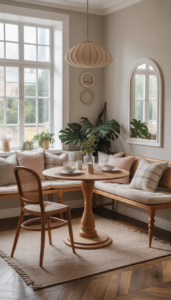
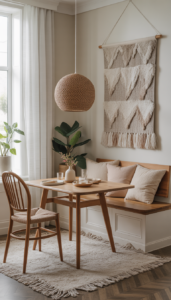
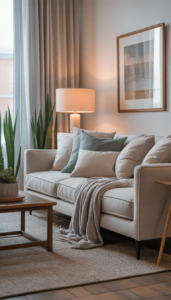
Soft furnishings make dining nooks more inviting. Cushions, pillows, curtains, and small rugs can add warmth, texture, and personality without requiring much space. Textiles are also an easy way to refresh the nook while keeping the furniture and layout the same.
Add seat cushions or pillows
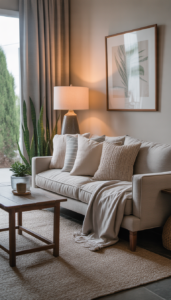
They improve comfort and warmth. Cushions make benches and chairs more pleasant for longer meals or relaxed coffee breaks. Choose colors and textures that match the room so the nook feels cozy, styled, and connected to the overall design.
Use easy care fabrics
Durable materials are ideal for dining spaces. Since dining nooks are used for food and drinks, washable covers or stain resistant fabrics are practical choices. Easy care textiles keep the area looking fresh while supporting everyday use.
Stick to subtle patterns
Simple designs prevent visual clutter. Small checks, soft stripes, gentle florals, or tonal textures can add interest without overwhelming the nook. Subtle patterns work especially well in compact areas where bold prints may feel too busy.
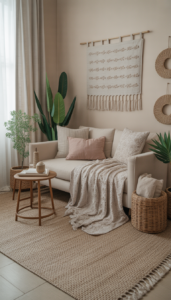
Storage Solutions That Blend With Decor
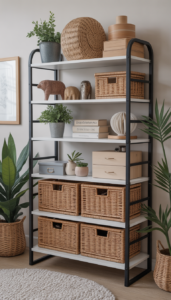
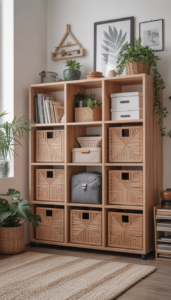
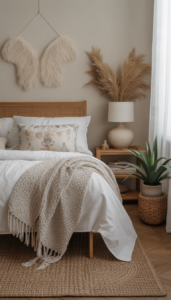
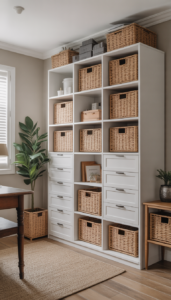
Storage can be both practical and stylish. In a small dining nook, every piece should support comfort, organization, or visual balance. Storage that blends with the decor keeps the area useful without making it feel crowded or overly functional.
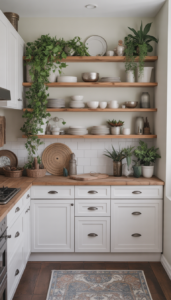
Install floating shelves nearby
They provide space for dishes or decor. Floating shelves can hold mugs, bowls, plants, cookbooks, or small decorative pieces. Keep the shelves lightly styled so they feel useful and attractive without adding clutter to the dining area.
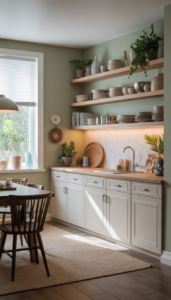
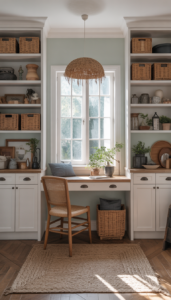
Use built in cabinets when possible
They keep the nook organized. Built in cabinets can store table linens, serving pieces, or kitchen essentials while creating a polished look. When matched to nearby walls or cabinetry, they make the nook feel custom and cohesive.
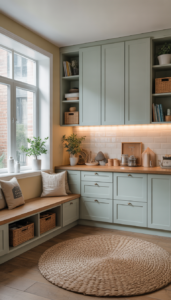
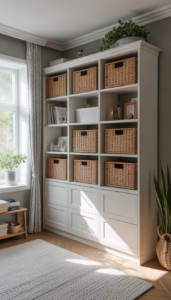
Keep storage visually light
Open or slim designs work best. Heavy storage can make a small dining nook feel cramped, so choose narrow shelves, light finishes, or simple cabinets. Visually light storage helps maintain openness while still adding practical function.
Compact Layouts That Feel Intentional
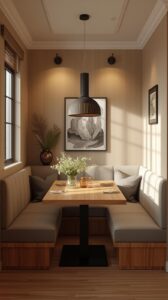
A well planned layout improves comfort and usability. Small dining nooks need clear movement, balanced furniture, and thoughtful placement. When the layout feels intentional, even a tiny corner can become one of the most loved and useful spaces in the home.
Define the nook visually
Rugs or lighting help separate it from surrounding spaces. A small rug under the table or a pendant above it can create a clear dining zone. This makes the nook feel planned, even if it is part of a kitchen or open layout.
Keep walkways clear
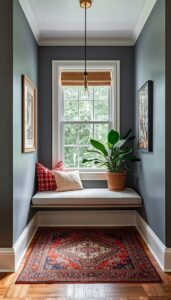
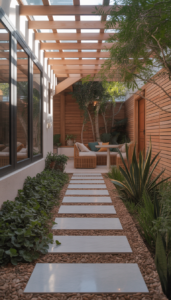
Easy movement makes the area feel less cramped. Avoid furniture that blocks doors, cabinets, or main paths. Keeping enough space around the table helps the nook feel comfortable and makes daily use much easier.
Focus on balance and symmetry
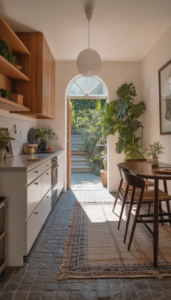
Simple arrangements feel more inviting. Matching chairs, centered lighting, or evenly spaced wall decor can make the nook feel calm and polished. Balanced styling is especially helpful in small spaces because it creates order without needing extra decor.
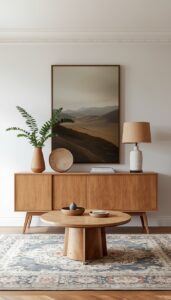
Create a Small Dining Nook You Will Love Using
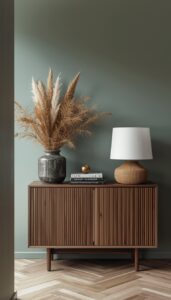
A small dining nook is more than just a place to eat. It can become a cozy corner for daily meals, morning coffee, relaxed conversations, and quiet moments at home. With thoughtful furniture choices, warm lighting, smart storage, and inviting textures, your dining nook can feel both practical and stylish. Focus on pieces that fit the scale of the space, keep the layout easy to move through, and choose colors that feel connected to nearby rooms. Whether your nook sits by a window, in a kitchen corner, or along a small wall, intentional styling can turn it into a warm, functional, and beautiful part of your home.
If you enjoy creating functional yet beautiful spaces, exploring more small space dining and kitchen ideas can help you design a home that feels welcoming in every corner.
