
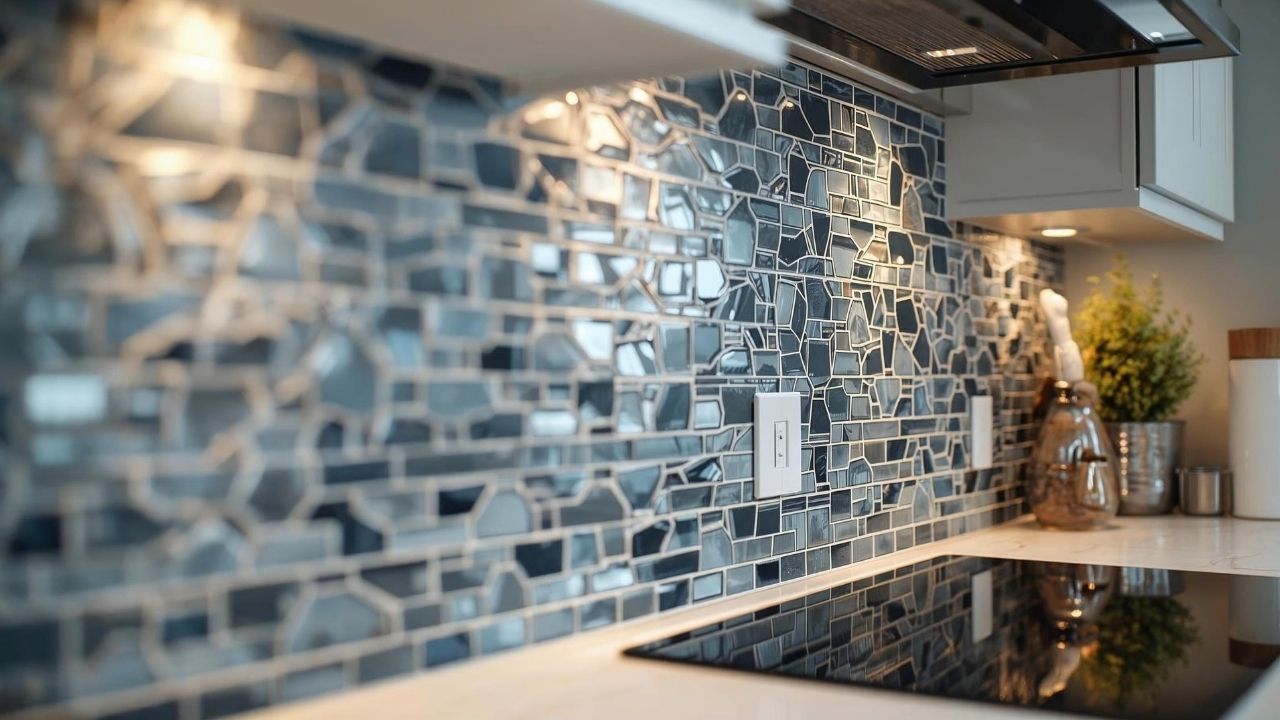
A kitchen backsplash is more than a protective surface. It is a design feature that can define the entire look of your kitchen. From subtle textures to bold statements, the right backsplash brings personality, balance, and visual interest to the space while remaining highly functional. It can brighten a dark kitchen, add warmth to a neutral design, or create a focal point behind the range or sink. Whether you are planning a full kitchen refresh or a small upgrade, these kitchen backsplash ideas can help you choose styles that feel timeless, stylish, and practical for everyday use.
Whether you are planning a full kitchen refresh or a small upgrade, these kitchen backsplash ideas will help you choose styles that feel timeless, stylish, and practical.
Subway Tile Backsplash for a Clean Classic Look
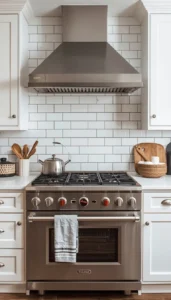
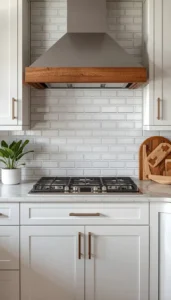
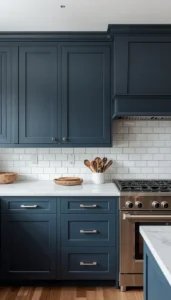
Subway tile remains a favorite because of its versatility and clean appearance. It works beautifully in modern, farmhouse, traditional, and transitional kitchens because the shape is simple and easy to style. A subway tile backsplash can feel crisp and timeless, but small changes in layout, grout, color, and finish can make it look more personal and updated.
Choose a unique tile layout
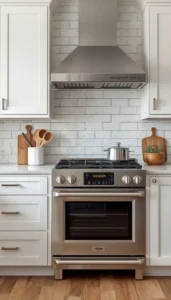
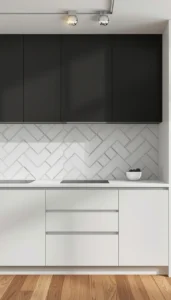
Patterns like vertical stacking or herringbone add a modern touch. A classic brick layout feels timeless, while stacked tile looks cleaner and more contemporary. Herringbone adds movement and detail without changing the simplicity of the tile itself, making it a great option for kitchens that need subtle interest.
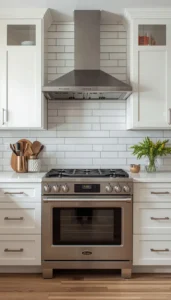
Use contrasting grout colors
Grout can highlight tile shape and create visual interest. Dark grout with white tile feels bold and graphic, while soft gray grout creates gentler definition. Matching grout gives a seamless look. Choose the contrast level based on whether you want the backsplash to stand out or blend in.
Extend tile to upper cabinets
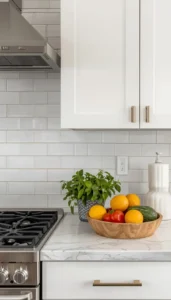
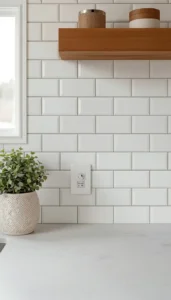
This creates a seamless and polished look. Running subway tile from the counter to the cabinets makes the wall feel finished and easy to clean. In kitchens with open shelving, extending tile higher can add height and give the space a more custom, designer inspired finish.
Marble Backsplash for a Luxurious Feel
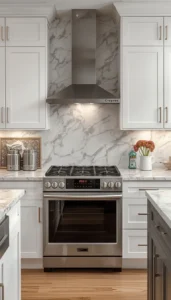
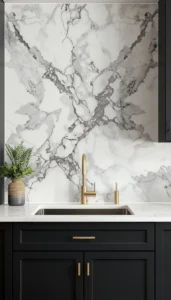
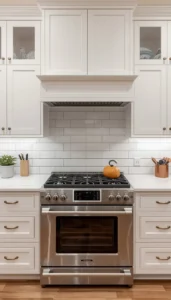
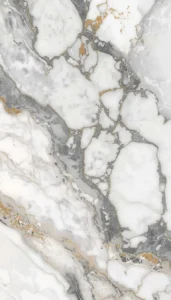
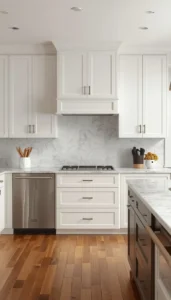
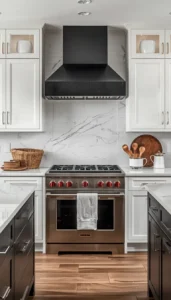
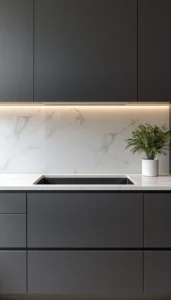
Marble backsplashes add elegance and brightness to kitchens. Their natural veining brings movement and sophistication while keeping the overall look refined. Marble works beautifully with white cabinets, warm wood, brass fixtures, and soft neutral palettes. The key is choosing a pattern that complements the kitchen instead of overpowering it.
Select subtle veining
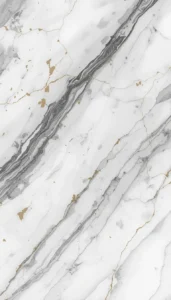
Soft patterns keep the backsplash from feeling busy. Marble with gentle gray, beige, or warm veining adds depth while maintaining a calm look. Subtle movement is especially helpful in smaller kitchens or spaces that already include detailed cabinetry, hardware, or decorative lighting.
Pair with simple countertops
Balanced materials prevent visual overload. If the backsplash has visible marble veining, choose a countertop that feels calm and complementary. A simple stone, quartz, or lightly patterned surface keeps the kitchen elegant and allows the marble backsplash to remain the main feature.
Seal marble properly
This helps maintain its beauty and durability. Marble is natural stone, so it needs care to resist stains and moisture. Proper sealing and gentle cleaning can protect the surface, especially behind cooking areas and sinks, where splashes and daily use are common.

Tile Backsplash With Bold Patterns
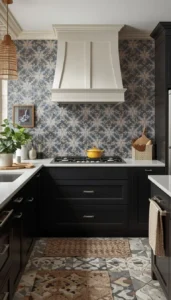
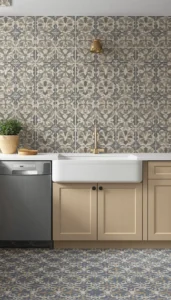
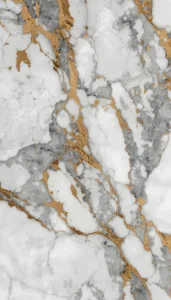
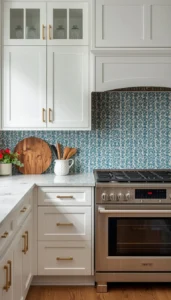
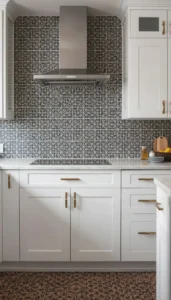
Patterned tiles add character and personality to kitchens. They can turn a simple cooking space into a more expressive and memorable room. Bold backsplash designs work best when the rest of the kitchen feels balanced, allowing the pattern to shine without creating visual clutter.
Choose a limited color palette
This keeps bold patterns from overwhelming the space. Tiles with two or three coordinated colors are easier to style than designs with many competing shades. A controlled palette helps the backsplash feel intentional while still adding energy, charm, and creative detail.
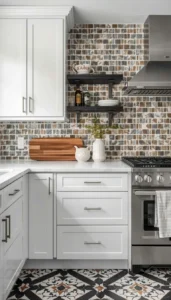
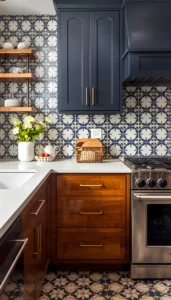
Use patterns as a focal point
Let the backsplash stand out while keeping cabinets simple. Patterned tile works beautifully behind a range, along one wall, or in a compact feature area. Simple cabinet fronts, minimal hardware, and clean countertops allow the tile design to become the main visual moment.
Balance with neutral surfaces
Neutral countertops and walls enhance bold tile designs. Cream, white, gray, wood, or soft stone finishes can calm the overall look. This balance keeps the kitchen stylish and livable, especially when the backsplash includes strong shapes or detailed patterns.
Neutral Backsplash for a Timeless Kitchen
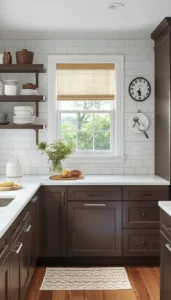
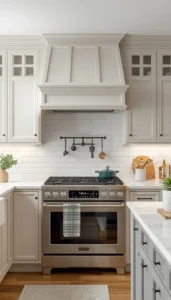
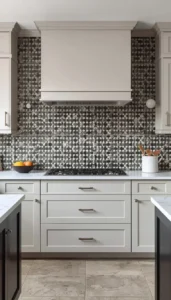
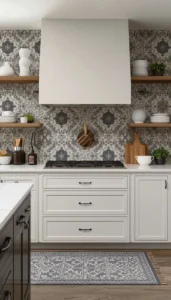
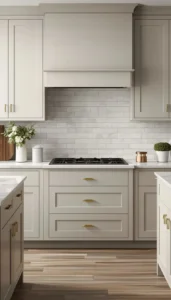
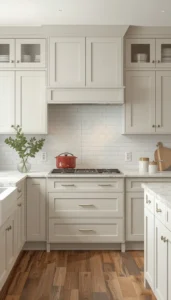
Neutral backsplashes work well in many kitchen styles. They create a calm, flexible backdrop that pairs easily with different cabinet colors, countertop materials, and hardware finishes. A neutral backsplash does not have to feel plain when texture, finish, tile shape, and tone are chosen thoughtfully.
Use textured tiles
Texture adds interest without strong color contrast. Handmade style tiles, ribbed surfaces, zellige inspired finishes, or softly uneven edges can make a neutral backsplash feel rich. These details catch light gently and add depth while keeping the kitchen calm and timeless.
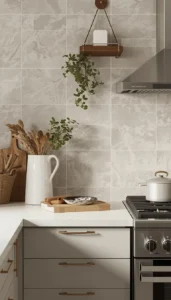
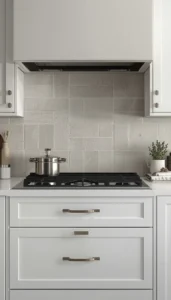
Match tones with cabinetry
Cohesive colors create a calm and unified look. A cream backsplash with warm white cabinets or beige tile with wood cabinetry can feel soft and intentional. Matching undertones helps the kitchen flow naturally and prevents the backsplash from looking disconnected.
Keep finishes soft
Matte or satin finishes feel modern and refined. These finishes reduce harsh shine and create a more relaxed kitchen atmosphere. Soft finishes work especially well in warm neutral kitchens, where subtle texture and gentle light reflection are more important than high contrast.
Stone Backsplash for Natural Texture
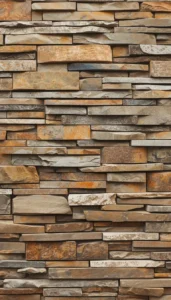
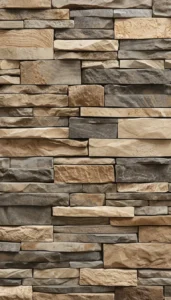
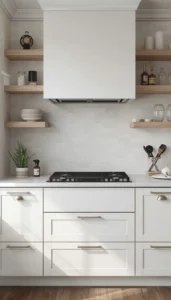
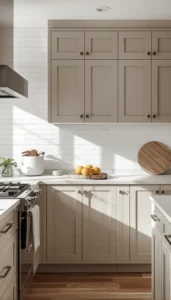
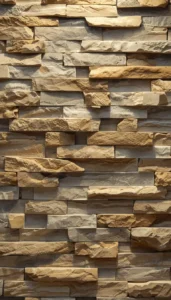
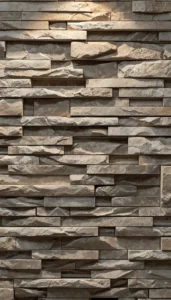
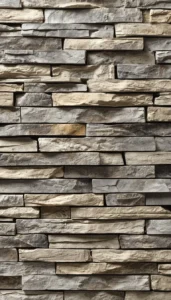
Stone backsplashes bring warmth and organic beauty. Natural stone adds depth, variation, and a grounded feeling that works well in rustic, modern, farmhouse, and luxury kitchens. Whether using limestone, travertine, slate, or stone slab, the backsplash should feel balanced with the rest of the kitchen materials.
Choose subtle stone variations
Soft color shifts feel more natural and elegant. Stone with gentle movement can add character without making the wall look too busy. Cream, taupe, gray, and warm beige stones are especially versatile because they pair easily with wood cabinets, white counters, and metal accents.
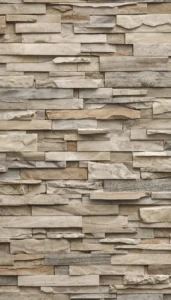
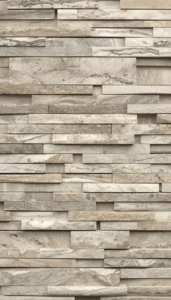
Combine with warm lighting
Lighting enhances stone texture beautifully. Under cabinet lights or soft pendants can highlight the surface and make the backsplash feel more dimensional. Warm lighting also brings out the natural tones in stone, helping the kitchen feel cozy and inviting.
Keep stone patterns simple
This prevents the backsplash from feeling heavy. Large dramatic patterns can dominate the kitchen, especially in smaller spaces. Choosing calmer stone or using it in a focused area keeps the design refined while still adding natural texture and visual depth.
Glass Tile Backsplash for Light Reflection
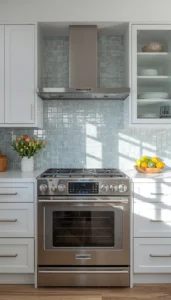
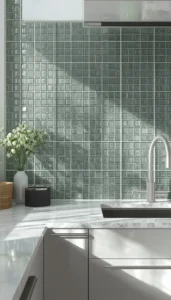
Glass tiles help brighten kitchens by reflecting light. They are especially useful in small kitchens, darker layouts, or spaces with limited natural light. A glass tile backsplash can feel clean, fresh, and modern while still adding color or texture depending on the tile shape and finish.
Use light colored glass tiles
They make small kitchens feel larger. Soft white, pale blue, light gray, or warm cream glass tiles reflect brightness and create an airy effect. This works well behind counters and sinks, where extra light can make the kitchen feel cleaner and more open.
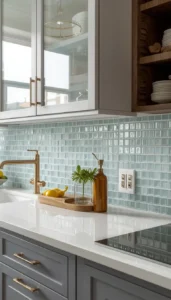
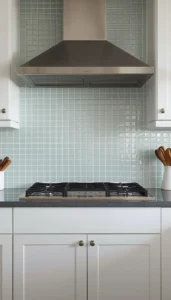
Keep grout lines minimal
This creates a sleek and modern appearance. Smaller grout contrast allows glass tile to feel smoother and less busy. Choosing grout that closely matches the tile color helps the backsplash look polished while allowing the reflective surface to remain the focus.
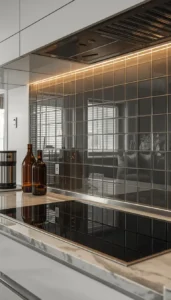
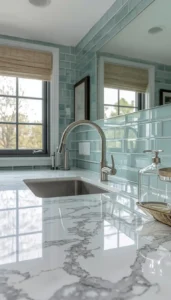
Use glass tiles in select areas
Feature sections keep the design balanced. Glass tiles can work beautifully behind the range, above a sink, or in a small backsplash zone. Using them thoughtfully prevents too much shine and keeps the kitchen design elegant rather than overly reflective.
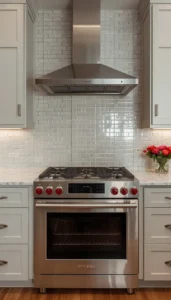
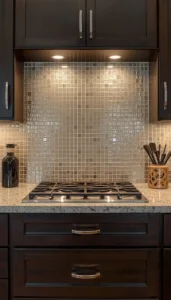
Full Height Backsplash for a Seamless Look
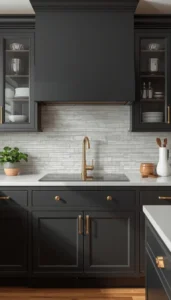
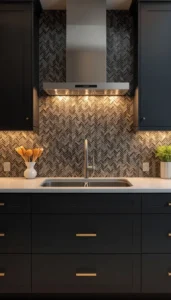
Extending the backsplash upward creates a cohesive design. A full height backsplash can make the kitchen feel more custom, polished, and visually taller. This approach works especially well behind ranges, around open shelving, or on walls without upper cabinets because it turns the backsplash into a strong design feature.
Run backsplash to the ceiling
This adds height and drama to the kitchen. Extending tile or stone upward draws the eye vertically and makes the wall feel more complete. It is a strong choice for range walls, sink walls, or open kitchens where the backsplash is highly visible.
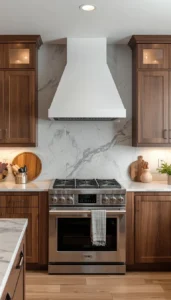
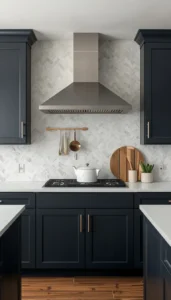
Match backsplash with countertops
A continuous material creates a polished effect. Using the same stone or surface on the counter and wall gives the kitchen a seamless look. This approach feels modern and clean, especially when paired with simple cabinetry and minimal hardware.
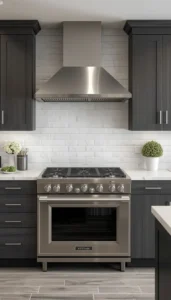
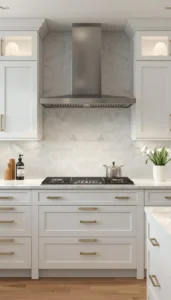
Keep edges clean
Sharp lines enhance the modern look. Clean transitions around cabinets, windows, shelves, and counters help a full height backsplash feel intentional. Careful finishing is important because extended backsplashes become a major visual feature in the room.
Warm Toned Backsplash for Cozy Kitchens
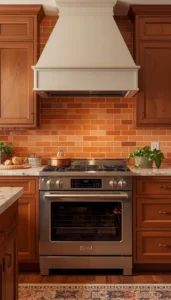
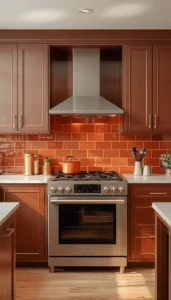
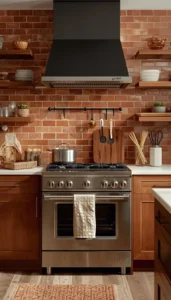
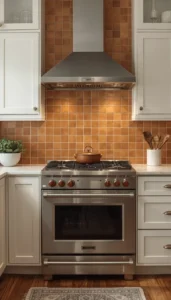
Warm colors are becoming increasingly popular in kitchen design. Beige, cream, clay, terracotta, and soft brown tiles can make a kitchen feel more inviting and less stark. A warm toned backsplash works beautifully with natural wood, brass hardware, stone counters, and soft white cabinetry.
Use beige or cream tiles
They add softness and warmth. Beige and cream tiles create a gentle backdrop that feels timeless and easy to style. These tones are especially useful if you want a kitchen that feels bright but not cold, simple but not flat.
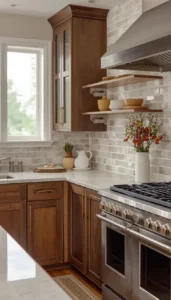
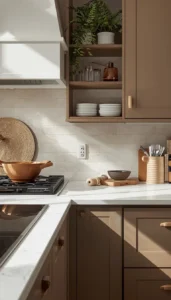
Pair with natural wood elements
Wood tones complement warm backsplashes beautifully. Light oak, walnut, or rustic wood shelves can bring extra depth to beige, clay, or cream tile. This pairing creates a cozy kitchen atmosphere that feels natural, balanced, and welcoming.
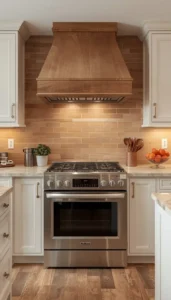
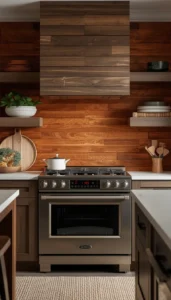
Choose soft finishes
Avoid high gloss for a more inviting feel. Matte, satin, or lightly textured tiles create a calmer look and reduce harsh reflections. Soft finishes help warm tones feel richer and more relaxed, which is ideal for cozy kitchen designs.
Matte Finish Backsplash for Modern Style
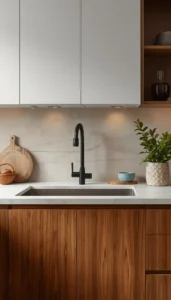
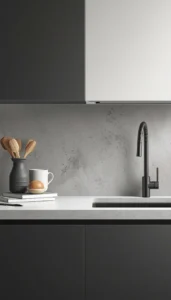
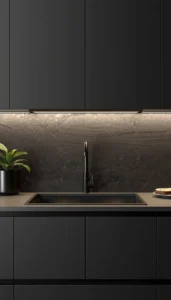
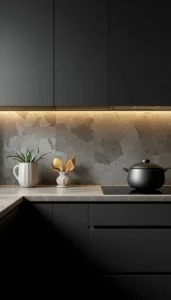
Matte finishes offer a refined and contemporary look. They feel smooth, subtle, and stylish without creating too much shine. A matte backsplash can work with minimalist kitchens, warm modern spaces, and neutral interiors because it adds quiet depth while keeping the design clean.
Choose matte ceramic or porcelain
These materials are durable and stylish. Ceramic and porcelain tiles are practical for kitchen walls because they are easy to clean and available in many shapes and colors. Matte versions feel softer than glossy tile while still offering a modern, polished appearance.
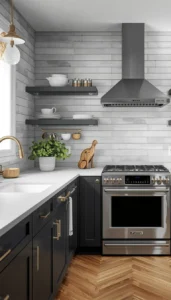
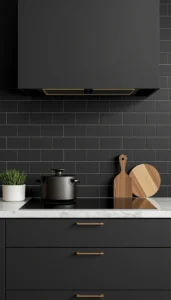
Balance with glossy accents
This adds contrast without overwhelming the design. A matte backsplash can be paired with polished hardware, glass lighting, or a subtle stone countertop for visual balance. Small reflective accents keep the kitchen from feeling too flat while preserving a refined look.
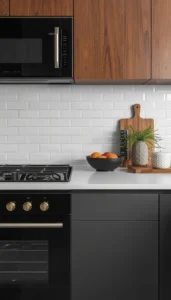
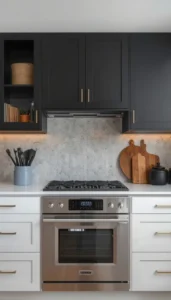
Keep lighting well planned
Good lighting enhances matte textures. Since matte surfaces do not reflect as much light, under cabinet lighting or warm pendants can help show their texture and color. Thoughtful lighting keeps the backsplash visible, dimensional, and beautifully integrated into the kitchen.
Simple Backsplash Designs for Easy Updates
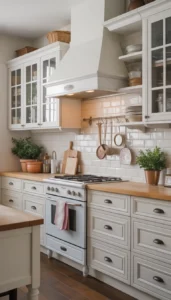
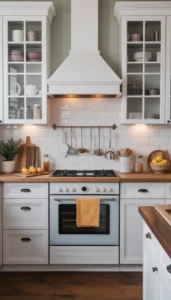
Simple designs are ideal for quick kitchen refreshes. A backsplash does not have to be complicated to make a strong impact. Classic shapes, clean colors, and practical materials can refresh the kitchen while staying timeless. Simple backsplash ideas are also easier to pair with changing decor and cabinet finishes.
Use peel friendly materials
They allow easy installation and updates. Peel friendly backsplash options can be useful for renters, budget updates, or temporary refreshes. Choose designs that mimic tile, stone, or clean patterns so the kitchen still feels stylish and intentional.
Stick to classic shapes
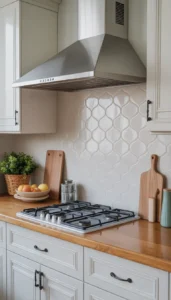
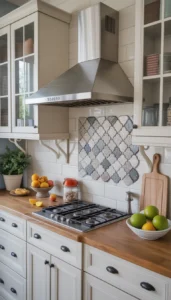
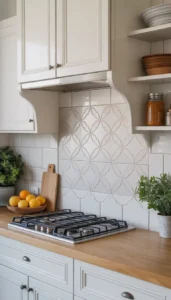
Simple tile shapes stay stylish over time. Squares, rectangles, subway tiles, and stacked layouts are easy to love for years. Classic shapes also work with many cabinet styles, making them a safe choice for kitchens that may be updated gradually.
Focus on quality over complexity
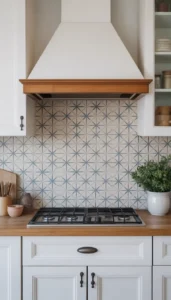
Well chosen simple tiles make a strong impact. A clean tile with a beautiful finish, subtle texture, or balanced color can elevate the kitchen without needing a bold pattern. Quality materials and careful installation often matter more than complicated designs.
Create a Kitchen Backsplash That Brings Everything Together
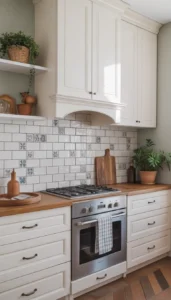
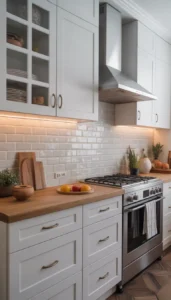
A kitchen backsplash has the power to tie the entire space together. By choosing materials, colors, and textures that complement your kitchen style, you can create a design that feels cohesive, inviting, and practical for daily use. Think about how the backsplash works with your cabinets, countertops, flooring, lighting, and hardware before making a final choice. A simple subway tile can feel timeless, marble can add elegance, stone can bring warmth, and patterned tile can add personality. When the backsplash supports both function and style, your kitchen feels more complete, polished, and enjoyable to use every day.
If you enjoy thoughtful kitchen styling, exploring more kitchen decor and design ideas can help you continue creating a space that feels both beautiful and functional.
