
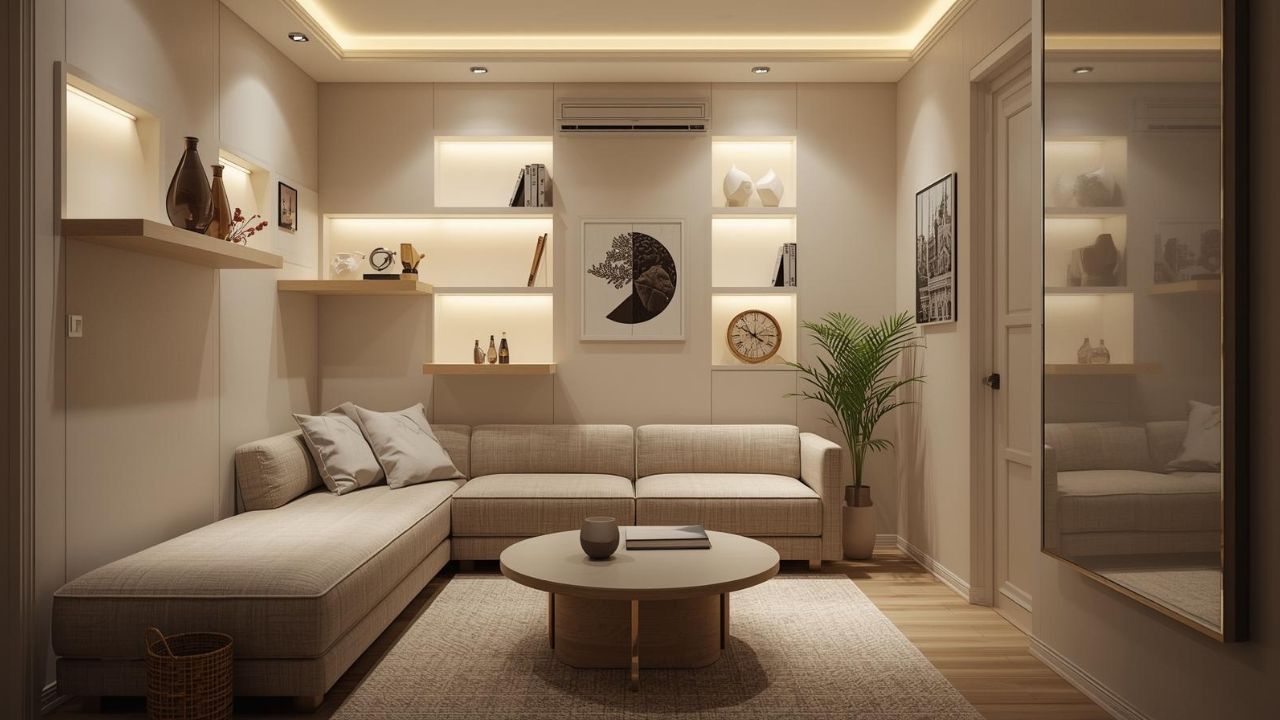
Decorating a small room can feel challenging, but with the right styling choices, even the most compact spaces can feel comfortable, beautiful, and functional. The key is to design with intention, using smart layouts, visual tricks, and decor elements that enhance space instead of overwhelming it. Small room design today focuses on maximizing every inch while keeping the space light, personal, and visually balanced. Whether you are working with a bedroom, studio, guest room, dorm room, or cozy corner, these room inspo ideas can help you create a space that feels bigger, brighter, and more inviting.
Small room design today focuses on maximizing every inch while keeping the space light, personal, and visually balanced. Whether you are working with a bedroom, studio, or cozy corner, these room inspo ideas will help you create a space that feels bigger and more inviting.
Light Color Palettes That Visually Expand Space
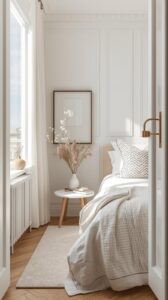
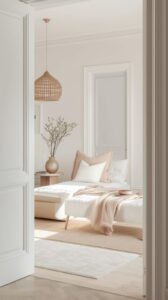
Light colors are one of the most popular choices for small rooms because they reflect light and make spaces feel airy. A soft palette helps walls feel less heavy and gives furniture more breathing room. The goal is not to make the room plain, but to create a calm foundation that supports texture, decor, and personal style.
Stick to soft neutral tones
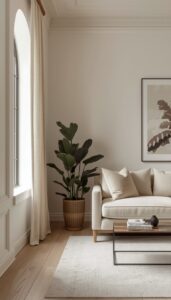
Shades like white, beige, cream, and soft gray help walls visually recede. These tones make a small room feel brighter and less crowded. Choose warmer undertones when possible so the space feels cozy, welcoming, and comfortable rather than cold or unfinished.
Use one main color throughout
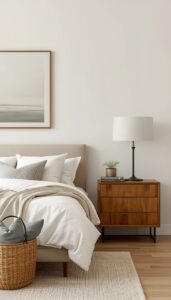
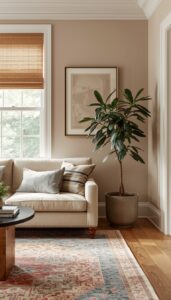
Keeping walls, trim, and furniture in similar tones creates a seamless look. When there are fewer strong color breaks, the eye moves around the room more smoothly. This makes the space feel larger, calmer, and more cohesive, especially in very compact layouts.
Add depth with subtle contrast
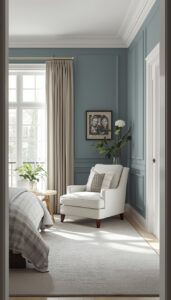
Use slightly darker accents through pillows or decor to avoid a flat appearance. Soft taupe, muted green, warm brown, or charcoal details can add depth without shrinking the room visually. Small accents help the space feel styled while keeping the overall look light.
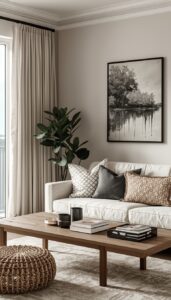
Multifunctional Furniture for Smart Living
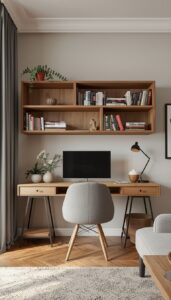
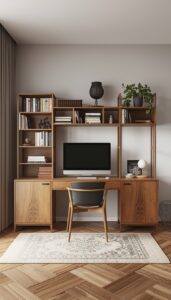
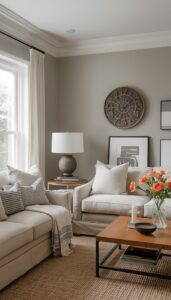
Furniture that serves more than one purpose is essential in small rooms. Every piece should earn its place by adding comfort, storage, flexibility, or function. Multifunctional furniture helps reduce clutter and makes the room easier to use every day. The best choices feel stylish while quietly solving space problems.
Choose storage friendly furniture
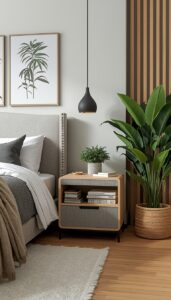
Beds with drawers or ottomans with hidden storage reduce clutter instantly. These pieces keep extra bedding, books, clothes, or accessories out of sight. Hidden storage is especially helpful in small rooms because it keeps surfaces clearer and makes the entire space feel more organized.
Opt for foldable or extendable pieces
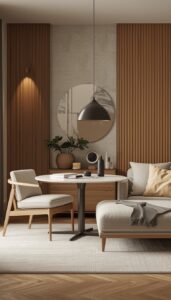
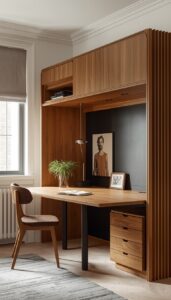
Desks, tables, or seating that adjust when needed save valuable floor space. A fold down desk, nesting table, or extendable surface can be used when required and tucked away afterward. This flexibility keeps the room practical without making it feel crowded.
Keep furniture proportional
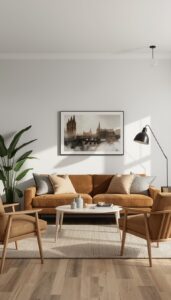
Avoid oversized pieces that dominate the room visually. Small rooms usually feel better with slim profiles, raised legs, and simple shapes. Furniture should fit the scale of the space while still offering comfort, so the room feels balanced instead of packed.
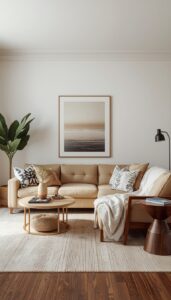
Mirrors That Make Rooms Feel Larger
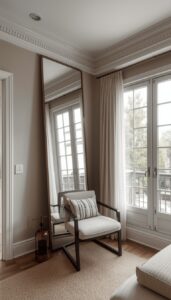
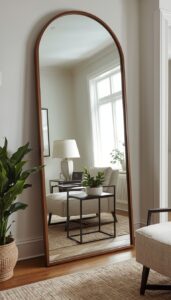
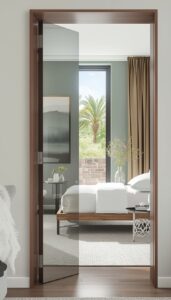
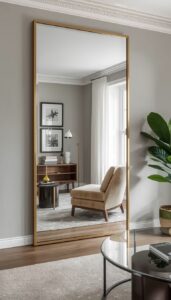
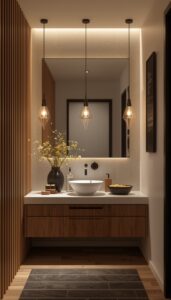
Mirrors are a timeless solution for making small rooms feel open and bright. They reflect light, add depth, and create the illusion of more space without taking up much room. A well placed mirror can also act as decor, giving the room a more polished and intentional look.
Place mirrors opposite windows
This helps reflect natural light and brighten the space. A mirror near or across from a window can make the room feel fresher throughout the day. It also spreads brightness into darker corners, which helps compact rooms feel more open and comfortable.
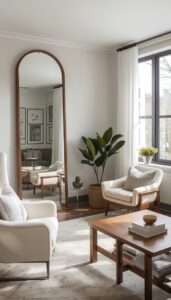
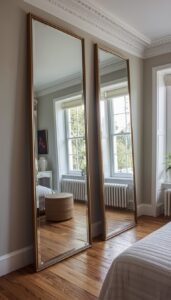
Use full length mirrors
Tall mirrors draw the eye upward and create the illusion of height. They are useful in bedrooms, studios, and dressing areas because they add both function and visual space. A full length mirror can make a narrow wall feel taller and more finished.
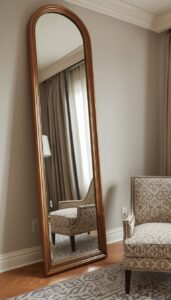
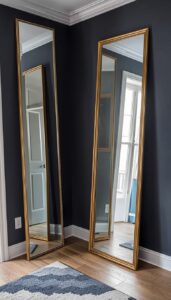
Choose minimal frames
Slim or frameless mirrors keep the look clean and modern. Heavy frames can feel bulky in a small room, while simple designs blend more easily with the decor. A minimal mirror adds light and depth without making the wall feel crowded.
Vertical Decor to Maximize Wall Space
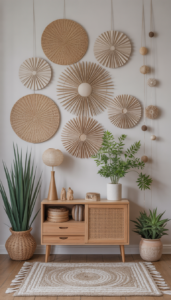
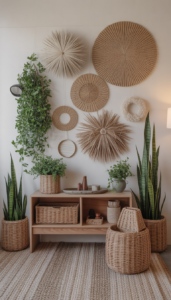
When floor space is limited, vertical styling becomes extremely important. Walls can provide storage, display space, and visual height without taking up valuable walking room. Using vertical elements also guides the eye upward, helping a small room feel taller and more thoughtfully designed.
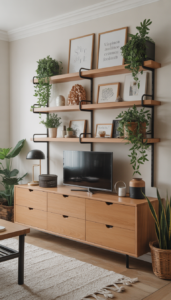
Install floating shelves
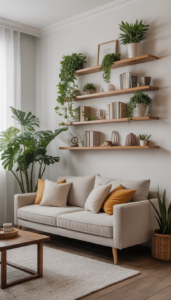
Shelves provide storage without making the room feel crowded. Floating shelves are ideal for books, plants, small baskets, or decorative accents. Keep the arrangement simple and leave some open space so the shelves feel light instead of overloaded.
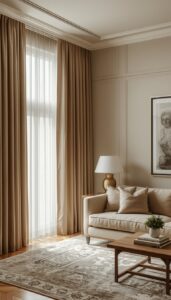
Hang curtains higher
Mounting curtains closer to the ceiling makes the room feel taller. This simple styling trick draws the eye upward and gives windows a more elegant look. Choose light fabrics and soft colors to keep the room bright, airy, and visually open.
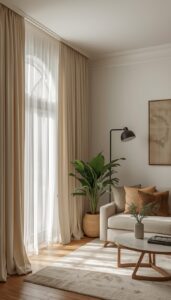
Use tall decor elements
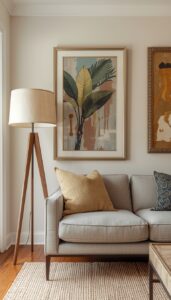
Floor lamps and vertical artwork guide the eye upward. Tall pieces help balance small furniture and make the walls feel more useful. A slim lamp, narrow bookcase, or vertical print can add style without taking up much floor space.
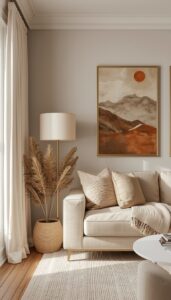
Minimalist Styling for a Clean Look
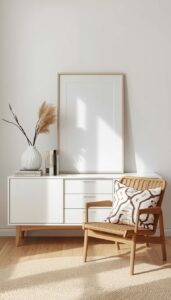
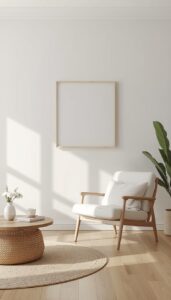
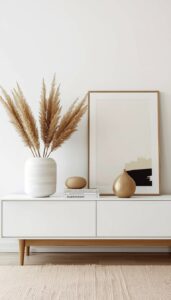
A clutter free space always feels larger and more relaxing. Minimalist styling works especially well in small rooms because it keeps visual distractions low. This does not mean the room has to feel empty. It means choosing fewer pieces that add comfort, function, or personality with purpose.
Limit decorative items
Choose a few meaningful pieces instead of many small ones. Too many tiny accessories can make a compact room feel messy. A single vase, framed print, candle, or plant can add charm while keeping the room calm and easy to maintain.
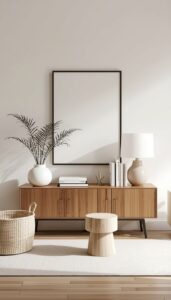
Keep surfaces clear
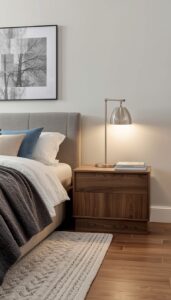
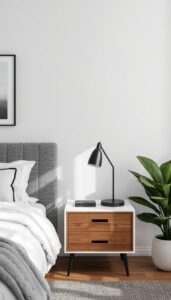
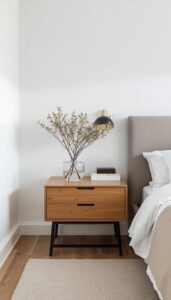
Nightstands and desks look more spacious when styled simply. Leave room for daily use instead of covering every surface with decor. A lamp, book, and small tray may be enough to make the area feel practical, clean, and polished.
Use hidden storage solutions
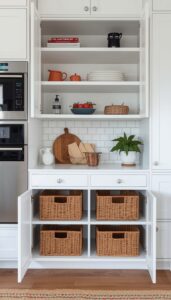
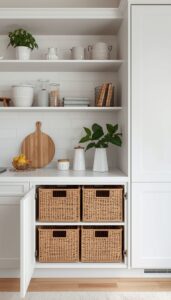
Baskets and closed cabinets help maintain a tidy appearance. Hidden storage is useful for items that are needed often but do not need to be displayed. Keeping clutter out of sight makes the room feel larger and more peaceful.
Smart Lighting That Enhances Space
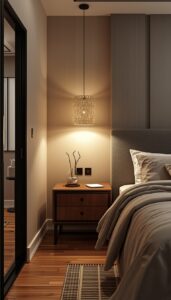
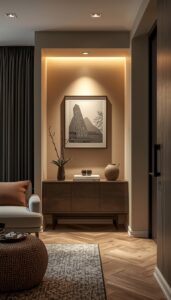
Lighting plays a major role in how a small room feels. Good lighting can make a compact space feel warm, open, and more functional. Instead of relying on one overhead light, use a mix of soft light sources that brighten different areas and create a more layered atmosphere.
Use layered lighting
Combine ceiling lights with lamps and wall lighting for balance. Layered lighting helps remove shadows and makes the room feel more complete. A small lamp, sconce, or floor light can brighten corners and create a softer, more welcoming mood.
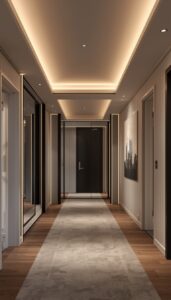
Choose warm lighting tones
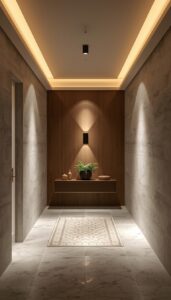
Soft light creates a cozy atmosphere without shrinking the room. Warm bulbs work well with neutral palettes, wood tones, and soft textiles. They make the space feel relaxing and comfortable, especially in bedrooms or small sitting areas used in the evening.
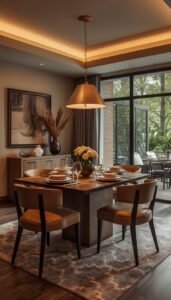
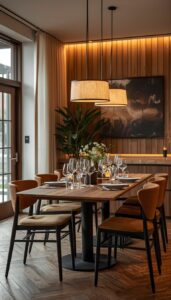
Avoid bulky light fixtures
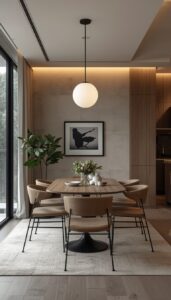
Slim and sleek designs work best in compact spaces. Large fixtures can make a small room feel lower or more crowded. Choose wall sconces, narrow floor lamps, simple pendants, or compact table lamps that add light without overwhelming the layout.
Space Saving Layouts That Improve Flow
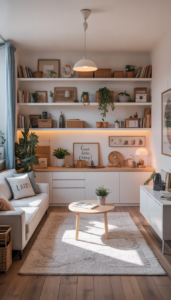
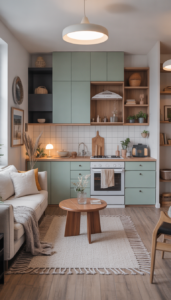
A well planned layout can completely transform a small room. Furniture placement affects how easily you move, how spacious the room feels, and how functional each area becomes. Good flow depends on clear pathways, balanced proportions, and thoughtful zoning that supports daily use.
Float furniture when possible
Pulling furniture slightly away from walls can create better movement. Even a small gap behind a chair, desk, or sofa can make the room feel more intentional. Floating furniture also helps define zones and prevents the layout from looking pushed into corners.
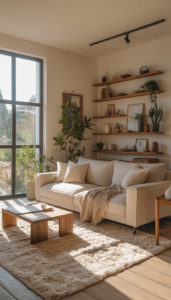
Define zones visually
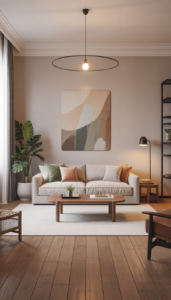
Use rugs or lighting to separate sleeping, working, or relaxing areas. In a small room, clear zones make the space feel more organized. A rug under a bed or a lamp near a desk can create structure without needing dividers or extra furniture.
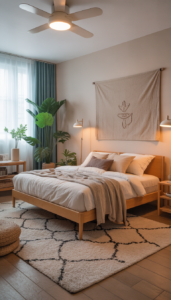
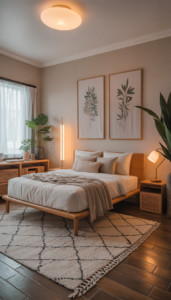
Keep walkways open
Clear paths help the room feel less cramped. Avoid placing furniture where it blocks doors, closets, or windows. When movement feels easy, the room instantly feels more comfortable, practical, and visually spacious.
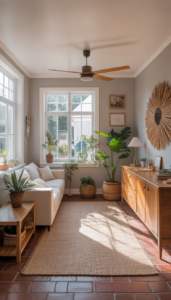
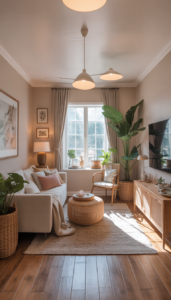
Textures and Fabrics That Add Depth

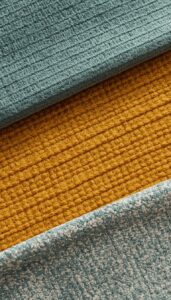
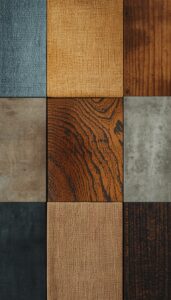
Adding texture brings warmth without taking up space. Since small rooms often use simple colors and compact furniture, textiles help the design feel cozy and complete. Texture can appear through rugs, bedding, curtains, cushions, and small decor pieces without adding visual clutter.
Use soft textiles
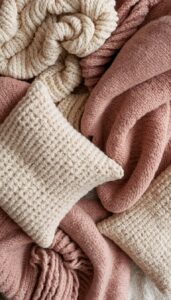
Throws, cushions, and rugs add comfort and dimension. These pieces make a small room feel warmer and more inviting. Choose soft fabrics in cohesive colors so the space feels layered without becoming busy or visually heavy.

Mix materials thoughtfully
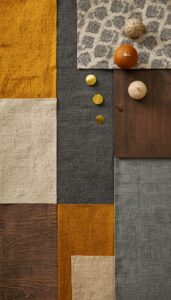
Combine wood, fabric, and metal for visual interest. A wooden nightstand, soft rug, and simple metal lamp can create balance in a compact space. Mixing materials adds personality while keeping the room from feeling too plain or flat.
Keep patterns subtle
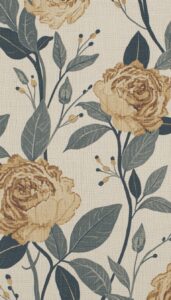
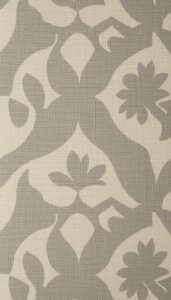
Small scale patterns work better than bold oversized prints. Gentle stripes, tiny florals, soft checks, or tonal designs add interest without overwhelming the room. Subtle patterns help create depth while preserving a calm and open feeling.
Personal Touches That Do Not Overwhelm
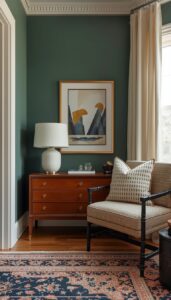
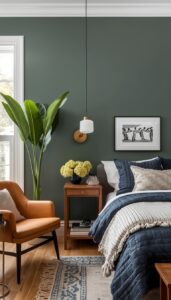
Small rooms should still feel personal and inviting. The key is choosing details that reflect your style without filling every surface. A few meaningful touches can make the room feel warm, unique, and lived in while keeping the overall design clean and balanced.
Display art intentionally
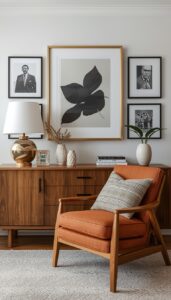
One statement piece can be more impactful than many small frames. Large art can create a focal point and make the room feel more designed. Choose artwork that matches your color palette so it adds personality without creating visual clutter.
Use neutral toned accessories
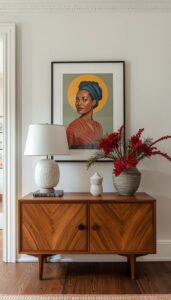
They blend seamlessly into the space. Neutral accessories like ceramic bowls, woven baskets, soft lampshades, and simple trays add style without breaking the calm palette. These pieces help the room feel decorated while still keeping it light and cohesive.
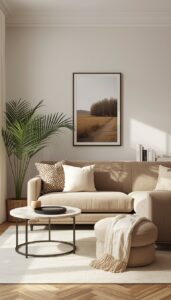
Rotate decor seasonally
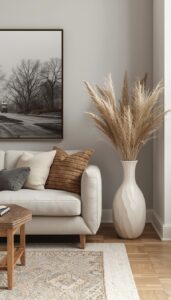
Switching a few items keeps the room fresh without clutter. Change pillows, throws, candles, or small accents rather than adding more pieces. Rotating decor helps the room feel updated while keeping storage, surfaces, and styling under control.
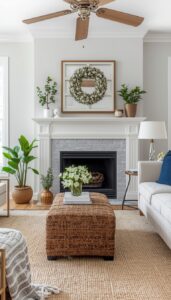
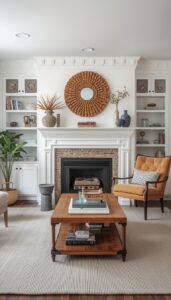
Storage Solutions That Blend with Decor
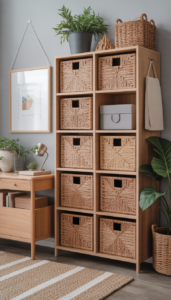
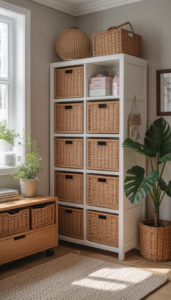
Functional storage can also be stylish. In small rooms, storage should feel like part of the design rather than an afterthought. Pieces that match the room’s colors, materials, and style help keep the space organized while maintaining a calm and polished look.
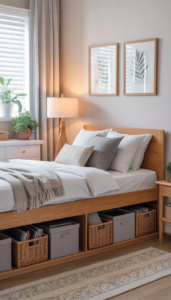
Use under bed storage
This often unused area is perfect for organizing essentials. Store extra bedding, seasonal clothes, shoes, or personal items in flat bins or drawers. Under bed storage keeps belongings accessible while freeing up closets, shelves, and visible floor space.
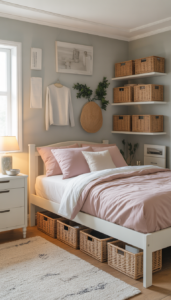
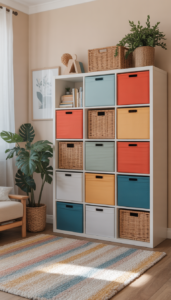
Match storage with room colors
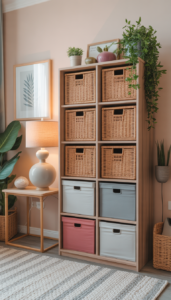
Storage that blends in keeps the room visually calm. Choose baskets, boxes, cabinets, or bins in shades that match your walls, furniture, or textiles. When storage feels coordinated, it becomes part of the decor instead of standing out.
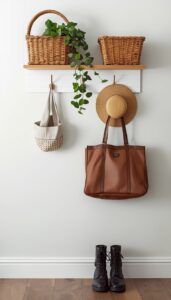
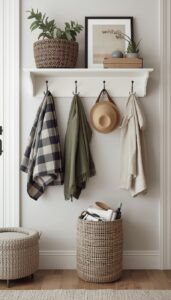
Use wall hooks and rails
They provide easy access without taking up floor space. Hooks are useful for bags, hats, robes, jewelry, or daily items. Rails can also hold baskets or hanging organizers, making vertical space more practical while keeping the floor open.
Small Room Styling That Makes a Big Impact
Designing a small room is all about balance, creativity, and smart choices. With the right color palette, furniture, lighting, and layout, even the smallest spaces can feel stylish and comfortable. Focus on light colors, proportional furniture, hidden storage, layered lighting, and a few meaningful decor pieces that make the room feel personal. Use mirrors, vertical styling, and open pathways to create a sense of space without losing warmth. When every piece has a purpose and the design feels cohesive, a small room can become one of the most inviting and functional areas in your home.
If you enjoy thoughtful interiors and practical decor inspiration, exploring more room styling ideas can help you transform every corner of your home into a space that truly works for your lifestyle.
More Decor Ideas You’ll Love
- Dark Home Gym Decor Ideas That Feel Bold and Motivating
- Living Room Designs That Feel Stylish, Comfortable, and Welcoming
- House Interior Ideas That Feel Stylish, Comfortable, and Well Balanced
- Farmhouse Decor Ideas That Feel Cozy, Timeless, and Stylish
- Kitchen Design Ideas That Feel Stylish, Functional, and Inviting
