
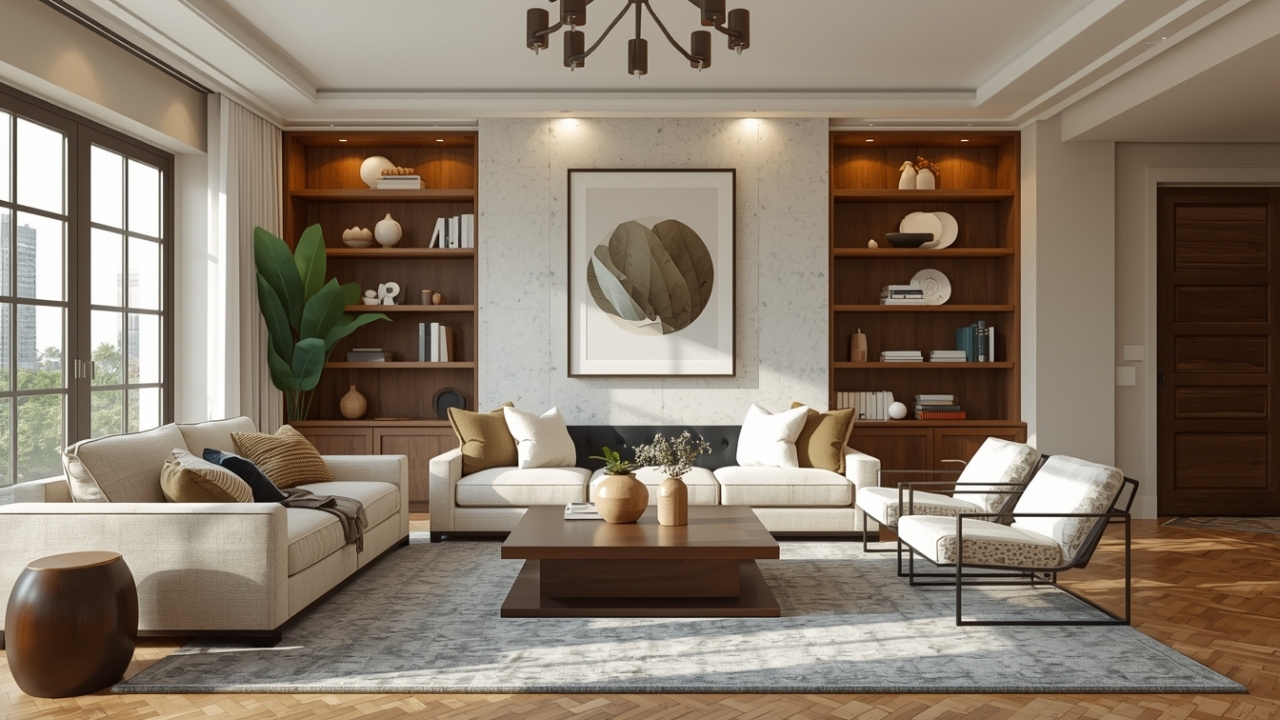
Designing a beautiful house interior is about creating spaces that feel inviting, functional, and visually connected. The most loved interior ideas focus on comfort, smart layouts, and details that reflect everyday living while still feeling elevated. A well planned home should not only look stylish, but also support how you relax, cook, gather, work, and rest each day. From cozy living areas to thoughtfully styled bedrooms, these house interior ideas bring together warm colors, layered textures, practical furniture, and balanced decor in a way that feels natural, timeless, and easy to enjoy.
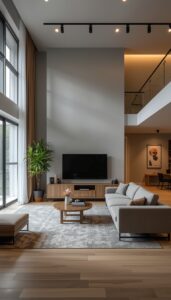
Open Living Spaces With Defined Zones
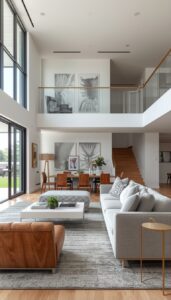

Open interiors remain popular because they create flow while allowing rooms to feel connected. The challenge is making each area feel purposeful without closing off the layout. Furniture placement, rugs, lighting, and consistent colors can help define separate spaces while keeping the overall home open and airy. This approach works beautifully in modern homes, apartments, and family friendly interiors.
Define Areas With Furniture Placement
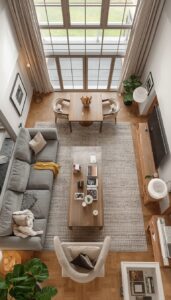
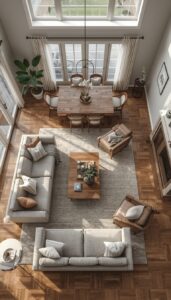
Use sofas, rugs, and tables to clearly separate living, dining, and lounge zones. A sofa can create a natural boundary, while a rug can anchor a seating area. Thoughtful furniture placement helps each zone feel intentional without needing walls or heavy dividers.
Keep Colors Cohesive
A consistent color palette helps open spaces feel unified rather than scattered. Repeat similar tones through walls, furniture, textiles, and decor so the rooms flow together naturally. Soft neutrals, warm wood tones, and subtle accent colors can create a calm and connected interior.
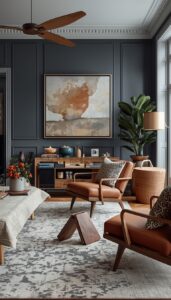

Use Lighting to Create Structure
Different lighting styles help visually separate each zone while keeping the layout open. Pendants can define dining areas, floor lamps can soften living spaces, and table lamps can create cozy corners. Layered lighting makes the home feel organized, warm, and more functional.
Neutral Interiors With Warm Accents
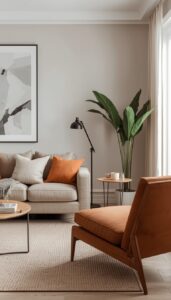
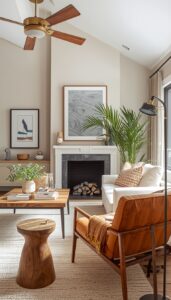
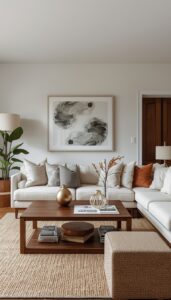
Neutral interiors feel calm, versatile, and easy to refresh over time. They create a flexible foundation that works with many design styles, from modern and farmhouse to classic and minimalist. The key is choosing warm undertones and adding enough texture so the space does not feel plain. Neutral rooms feel best when they are layered, soft, and inviting.
Start With Soft Neutral Walls
Warm whites, beige, and light gray create a flexible foundation. These shades make rooms feel open while allowing furniture, art, and decor to stand out. Choose colors with soft undertones so the interior feels welcoming rather than cold or unfinished.
Add Warmth Through Textures
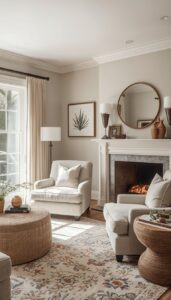
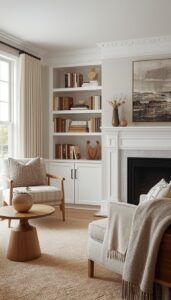
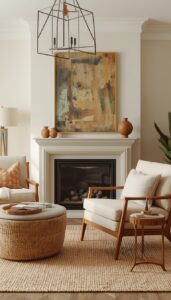
Layer wood finishes, soft fabrics, and woven materials to avoid a flat look. A neutral room needs texture to feel cozy and complete. Use rugs, curtains, baskets, linen pillows, wood tables, and ceramic accents to create quiet depth and natural warmth.
Use Accent Colors Sparingly
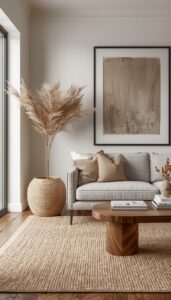
Small pops of color through decor keep the space interesting without overwhelming it. Accent colors can appear in cushions, artwork, vases, or throws. Muted greens, warm browns, soft blues, or earthy rust tones work beautifully with neutral interiors and keep the look balanced.
Cozy Living Room Interior Ideas
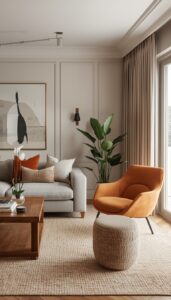
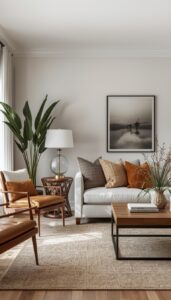
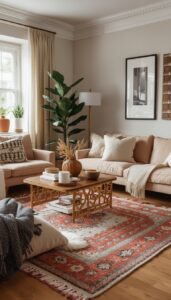
Living rooms are designed to feel comfortable while still looking put together. Since this space is often used for relaxing, hosting, and everyday family time, it should feel warm and easy to use. A cozy living room depends on soft seating, layered textiles, thoughtful lighting, and decor that feels personal but not crowded.

Focus on Comfortable Seating
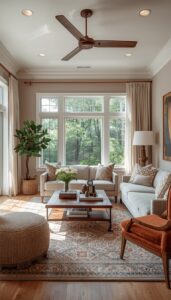
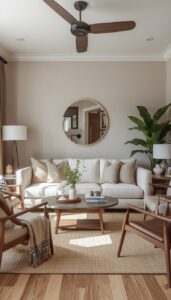
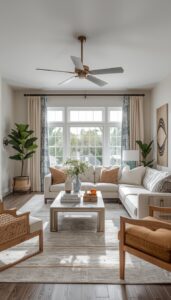
Choose sofas and chairs that feel inviting and support everyday use. Deep cushions, soft upholstery, and practical shapes make the room feel more relaxed. Arrange seating so people can talk easily, watch television comfortably, or settle in with a book.
Layer Rugs and Soft Furnishings
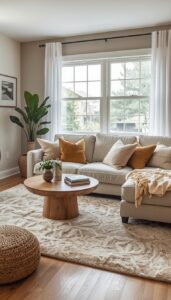
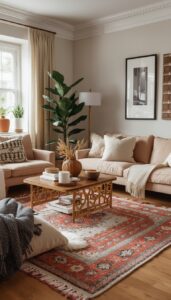
Rugs, cushions, and throws add depth and warmth to the room. These soft details make the space feel more complete and comfortable. Mix textures like cotton, wool, linen, and woven fabrics while keeping colors connected to the room’s overall palette.
Balance Decor and Open Space
Leave breathing room between decor pieces so the space feels relaxed. Too many items can make a living room feel busy, even when each piece is beautiful. A few well chosen accents on tables, shelves, and walls can create a cleaner and more refined look.
Bedroom Interiors That Feel Calm and Restful
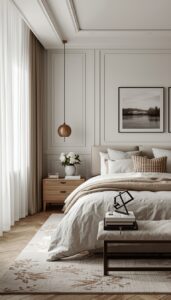
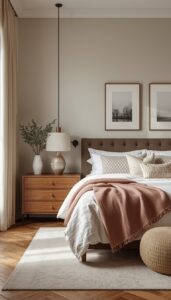
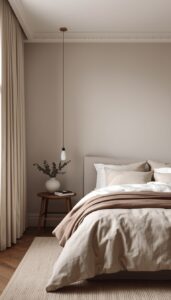
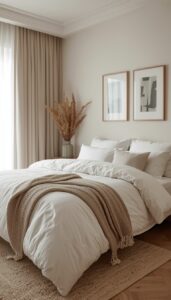
Bedrooms are styled to promote relaxation and a sense of retreat. This room should feel quieter than the rest of the home, with calming colors, soft layers, and minimal clutter. A restful bedroom interior focuses on comfort first while using gentle decor details to create warmth, personality, and visual balance.
Choose Soft and Muted Colors
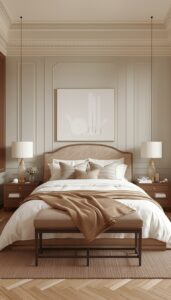
Gentle tones help create a peaceful atmosphere. Soft beige, warm white, muted green, dusty blue, and pale gray can all make a bedroom feel calm. These colors work well on walls, bedding, curtains, and rugs, creating a soothing base for rest.
Keep Furniture Minimal
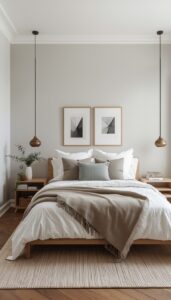
Limit furniture to essentials to maintain a clutter free look. A bed, nightstands, dresser, and possibly a small chair are often enough. Choosing fewer pieces allows the bedroom to feel open, practical, and easier to keep organized every day.
Add Layers Through Bedding
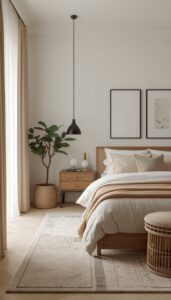
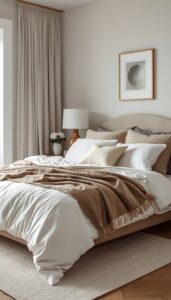
Layered bedding adds comfort and visual interest without excess decor. Combine sheets, a duvet, pillows, and a throw to create a soft and inviting bed. Keep the color palette cohesive so the layers feel calm rather than visually heavy.
Functional and Stylish Kitchen Interiors
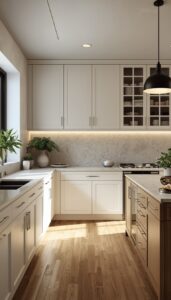

Kitchen interiors blend efficiency with design that feels welcoming. A beautiful kitchen should support cooking, storage, cleaning, and gathering without feeling cluttered. Smart layouts, natural materials, and practical finishes can make the space easier to use while still looking stylish. The best kitchen interiors feel warm, organized, and connected to daily routines.
Use Smart Storage Solutions
Well planned cabinets and drawers keep surfaces clear. Pull out shelves, drawer dividers, pantry cabinets, and hidden storage can make daily tasks easier. Smart storage helps the kitchen look cleaner while keeping essentials close and accessible.
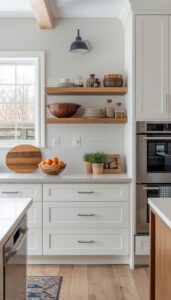
Incorporate Natural Materials
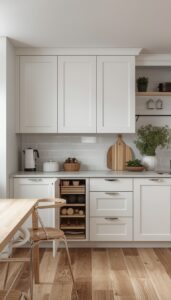
Wood accents and stone surfaces add warmth and texture. These materials prevent kitchens from feeling too sleek or cold. A wood island, stone countertop, ceramic backsplash, or woven stool can bring natural character into the space.
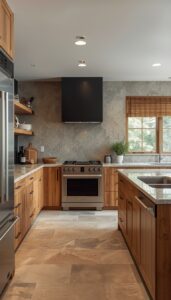
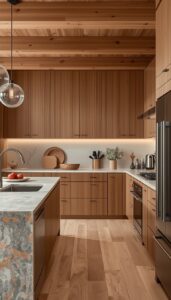
Focus on Practical Layouts
Easy movement between cooking and prep areas improves daily use. The sink, stove, fridge, and main work surfaces should feel convenient and connected. A practical layout helps the kitchen function smoothly, especially during busy mornings, meal prep, and family gatherings.

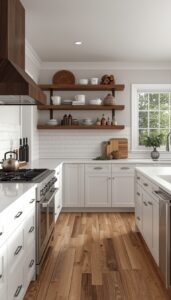
Dining Area Interior Styling Ideas
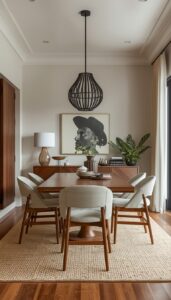
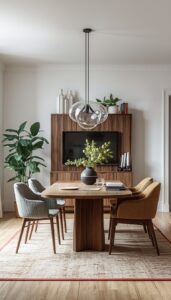
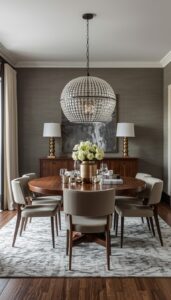
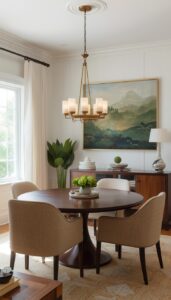
Dining spaces are becoming more relaxed and integrated with the home. They no longer need to feel formal to feel stylish. A comfortable dining area can work for meals, conversation, homework, and casual gatherings. The right table, lighting, and simple decor can make the space feel warm, useful, and visually connected to nearby rooms.
Choose a Table That Fits the Space
Proportional furniture keeps the room balanced and comfortable. A table that is too large can make movement difficult, while one that is too small may feel unfinished. Choose a size that supports daily use and leaves enough room around chairs.
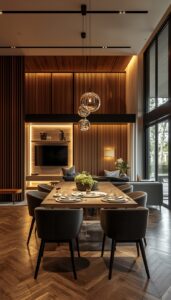
Use Statement Lighting
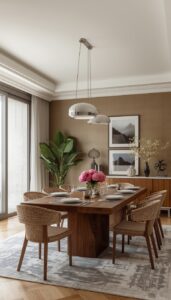
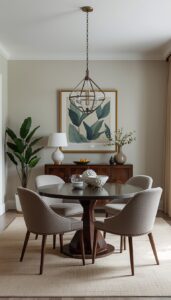
A well chosen light fixture adds focus and style. Pendant lights or chandeliers help define the dining area, especially in open layouts. Choose a fixture that fits the table size and matches the overall mood of the home.
Keep Table Styling Simple
Minimal decor helps the dining area feel open and inviting. A vase, bowl, candle group, or simple runner can be enough for everyday styling. Keeping the table practical makes the space easier to use while still feeling thoughtfully designed.
Thoughtful Lighting for the Entire Home
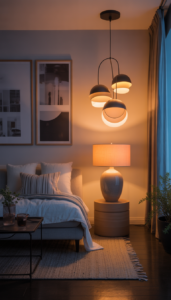
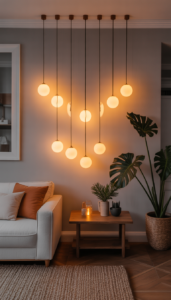
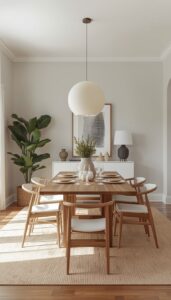
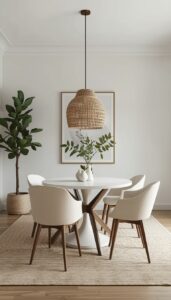
Lighting shapes the mood of every interior space. It affects how colors, textures, and furniture appear, while also supporting daily routines. A well lit home uses more than one light source in each room, creating brightness where needed and softness where desired. Thoughtful lighting makes interiors feel warmer, more polished, and more comfortable.
Layer Different Light Sources
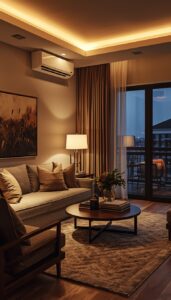
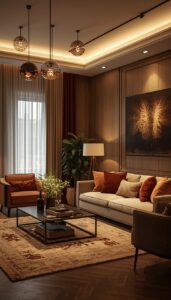
Combine ceiling lights, lamps, and accent lighting for depth. Overhead lighting provides general brightness, while lamps and wall lights add comfort. Accent lighting can highlight shelves, artwork, or architectural details, making the home feel more layered and intentional.
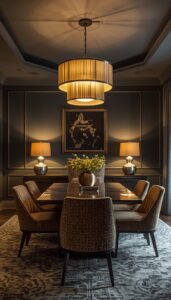
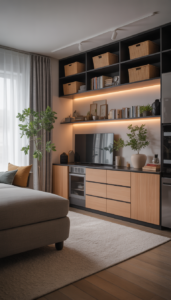
Use Warm Light Tones
Warm lighting enhances comfort and softens interiors. It works beautifully with neutral colors, wood finishes, and cozy textiles. Avoid bulbs that feel too cold or harsh, especially in living rooms, bedrooms, and dining areas where comfort is important.
Highlight Key Features
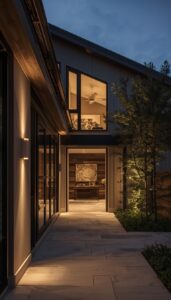
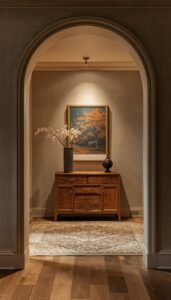
Use lighting to draw attention to artwork or architectural details. Picture lights, sconces, and small accent lamps can make special areas feel more finished. Highlighting focal points adds depth and helps guide the eye through each room.
Decor Accessories That Add Personality
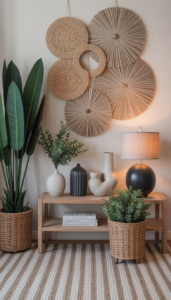
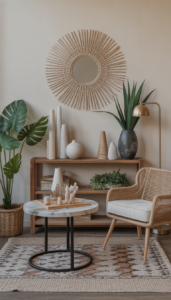
Accessories bring character and individuality into the home. They help a house feel personal rather than generic, but they should be chosen with intention. Books, plants, artwork, vases, candles, and collected pieces can all add warmth. The goal is to style surfaces in a way that feels meaningful, balanced, and easy to maintain.
Display Personal Items
Meaningful decor makes interiors feel lived in. Family photos, travel finds, favorite books, or collected objects can add warmth and story. Display only a few pieces at a time so they feel special and do not overwhelm shelves or tabletops.
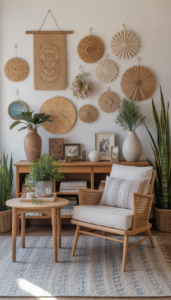
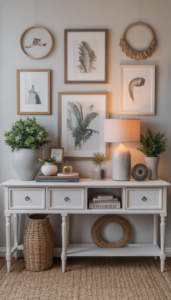
Use Greenery for Freshness
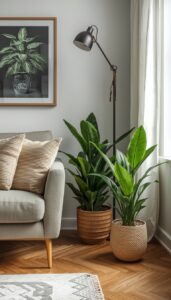
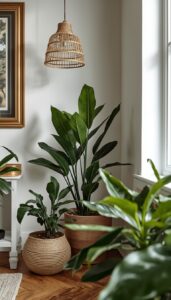
Plants add life and softness to rooms. Greenery works well in living rooms, bedrooms, kitchens, and entryways because it brings natural color and texture. Use simple planters that match your decor style so the plants feel connected to the interior.
Keep Styling Intentional
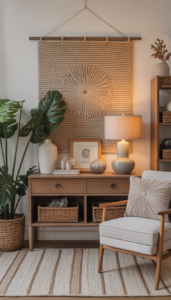
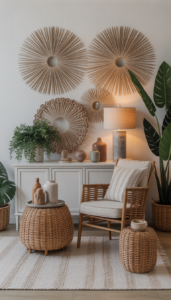
Fewer well chosen pieces create a cleaner and more refined look. Avoid filling every surface with decor. Instead, group items in small arrangements, vary height and texture, and leave open space so each room feels calm, stylish, and well balanced.
Bring the House Interior Together With Cohesive Styling
A well styled house interior feels connected from room to room. By focusing on comfortable layouts, warm neutrals, layered textures, thoughtful lighting, and practical storage, you can create a home that feels both stylish and welcoming. Each room should have its own purpose, but the colors, materials, and overall mood should flow naturally throughout the house. Choose furniture that supports daily life, decor that feels personal, and lighting that adds warmth. With balance and intention, your home can feel comfortable, polished, functional, and beautifully timeless.
More Decor Ideas You’ll Love
- Farmhouse Decor Ideas That Feel Cozy, Timeless, and Stylish
- Kitchen Design Ideas That Feel Stylish, Functional, and Inviting
- 2026 Kitchen Trends with Inspiring Decor Ideas for Stylish Homes
- Small Vanity Ideas for Bedroom That Save Space and Look Stylish
- Whimsical Bedroom Ideas That Feel Magical and Stylish
