
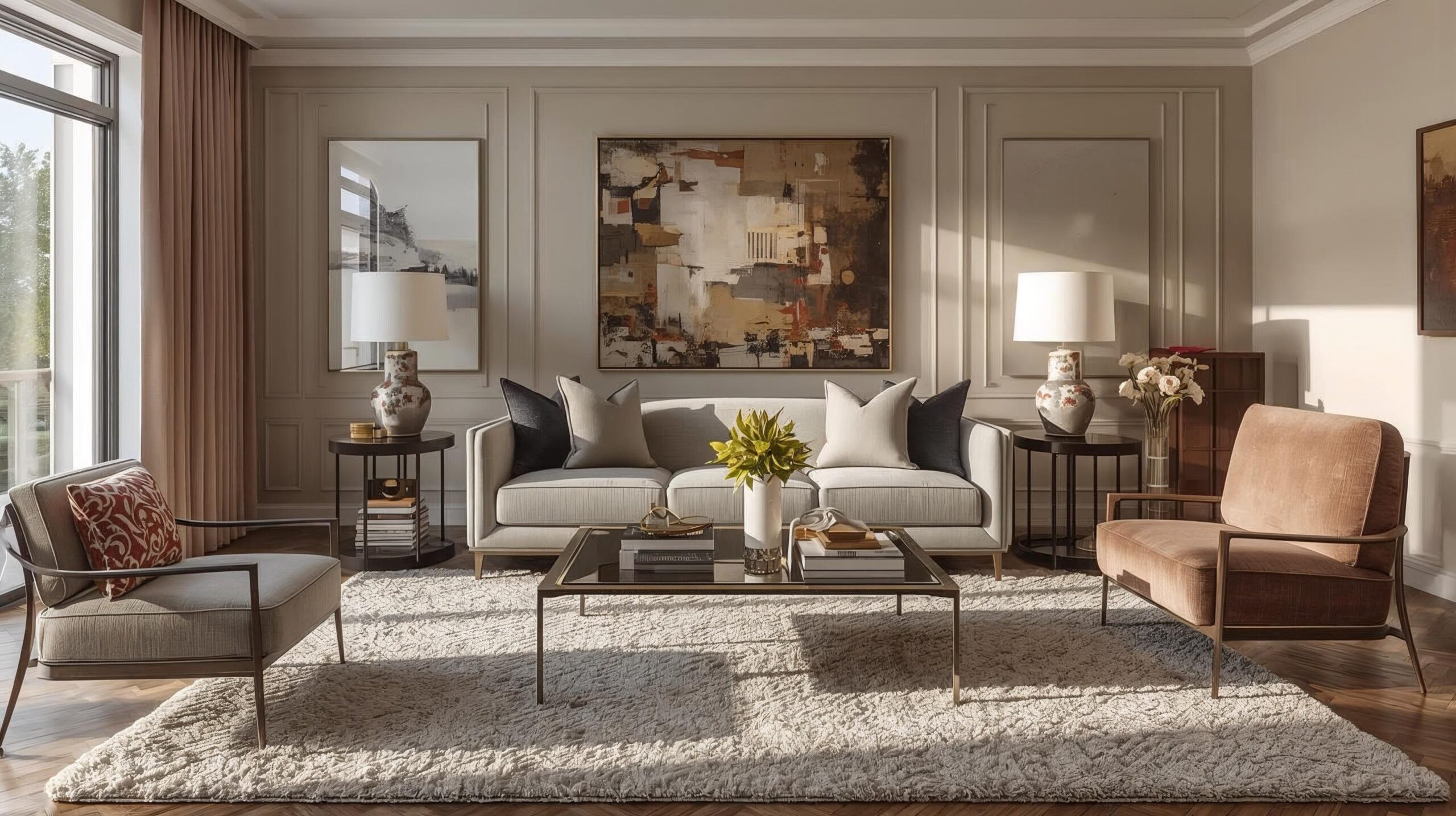
A well designed living room is the heart of the home. It is where comfort meets style and everyday moments turn into lasting memories. The most inspiring living room designs focus on cozy layouts, thoughtful furniture placement, and layered decor that feels inviting rather than overdone. From modern looks to warm and relaxed spaces, the best ideas balance beauty with daily function. With the right seating, colors, lighting, textures, and focal points, your living room can feel stylish, comfortable, welcoming, and easy to enjoy every day.
Modern Living Room Designs With Clean Lines
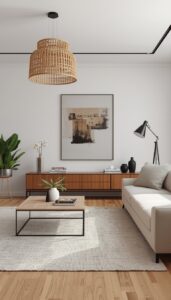
Modern living rooms focus on simplicity, balance, and intentional design. This style works best when furniture, colors, and decor feel carefully chosen rather than excessive. Clean lines help the room feel open, calm, and visually organized. A modern living room can still feel warm when soft textures, comfortable seating, and warm lighting are added with restraint.
Choose Streamlined Furniture
Furniture with clean shapes and simple silhouettes keeps the room feeling open and uncluttered. Choose sofas, chairs, and tables with smooth edges, balanced proportions, and practical forms. Streamlined furniture makes the layout easier to arrange and helps the room feel polished without appearing cold or overly formal.
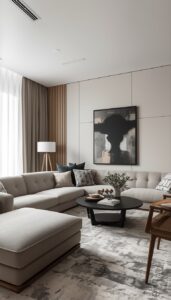
Stick to a Balanced Color Palette
Neutral tones paired with one or two accent colors create a polished and cohesive look. Soft gray, cream, beige, black, or warm white can create a calm foundation. Accent colors can appear through pillows, artwork, rugs, or decor, giving the room personality without overwhelming the design.
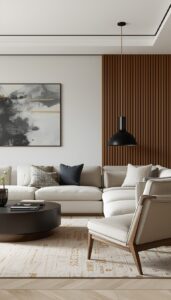
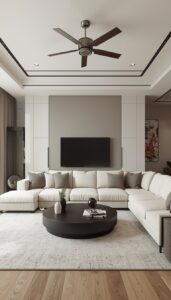
Keep Decor Minimal
Limit accessories so each piece has space to stand out without crowding the room. A vase, framed artwork, sculptural object, or simple coffee table book can add style without clutter. Minimal decor helps a modern living room feel calm, intentional, and easier to maintain.
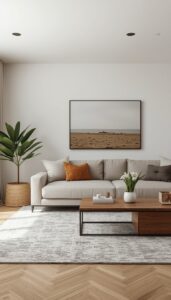
Cozy Living Room Designs With Warm Layers
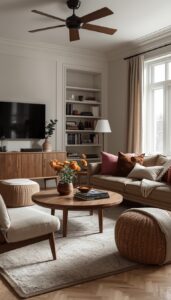
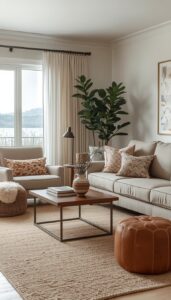
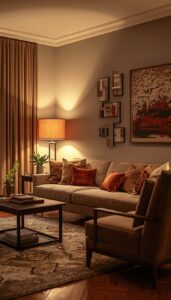
Comfort is a top priority when designing a living room that feels lived in and inviting. Cozy living room designs rely on softness, warmth, and layers that make people want to sit and stay. Rugs, cushions, lighting, and relaxed seating all help create a welcoming atmosphere while still keeping the room stylish and well arranged.
Use Soft Textiles
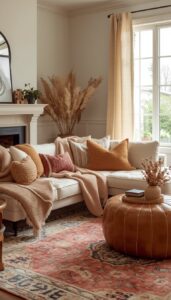
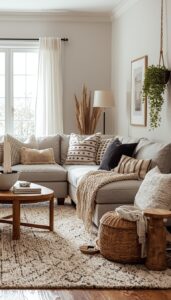
Layer rugs, throw blankets, and cushions to add warmth and texture. These details make the room feel softer and more comfortable, especially around seating areas. Mix materials like cotton, wool, linen, boucle, or knit fabrics to create depth while keeping the color palette calm and cohesive.
Choose Comfortable Seating
Plush sofas and lounge chairs encourage relaxation and everyday use. Choose seating with supportive cushions, soft upholstery, and enough room for family or guests. A cozy living room should look beautiful, but it should also feel practical for reading, watching movies, conversation, or quiet evenings.
Add Warm Lighting
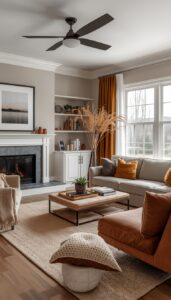
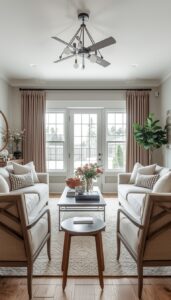
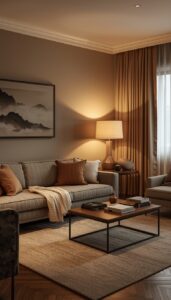
Table lamps and floor lamps create a cozy glow that softens the space. Warm lighting helps the room feel inviting in the evening and makes textures look richer. Use lighting near sofas, corners, and side tables so the whole room feels balanced and comfortable.
Neutral Living Room Designs With Texture
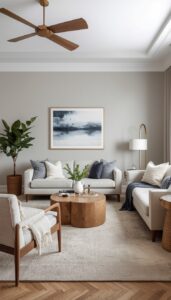
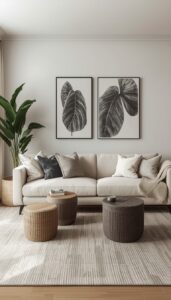
Neutral living rooms remain popular because they feel timeless and easy to style. A neutral design gives you flexibility while creating a calm background for furniture and decor. The key is adding enough texture and contrast so the room does not feel flat. Natural materials, soft fabrics, and layered finishes make neutral spaces feel warm.
Start With Soft Neutral Shades
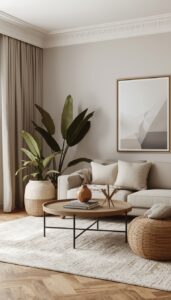
Cream, beige, and light gray create a calm and flexible base. These colors work beautifully on walls, sofas, rugs, and curtains. Softer neutral shades make the room feel bright and restful while allowing wood, greenery, artwork, and accent pieces to stand out naturally.
Layer Different Textures
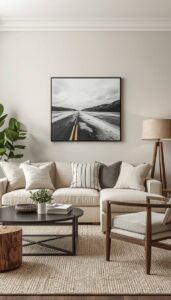
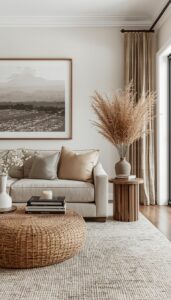
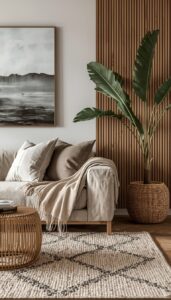
Combine wood, fabric, and woven elements to add depth. A jute rug, linen pillow, wood coffee table, ceramic vase, or woven basket can make a neutral room feel more complete. Texture adds interest without relying on strong color or busy patterns.
Use Contrast Carefully
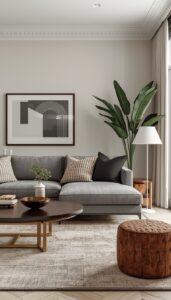
Add darker accents through decor or furniture for visual balance. A black frame, dark side table, deep brown chair, or charcoal pillow can ground the room. Small touches of contrast prevent neutral living rooms from looking washed out while keeping the overall mood peaceful.
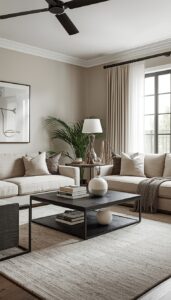
Small Living Room Designs That Maximize Space
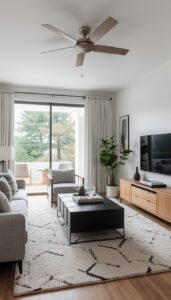
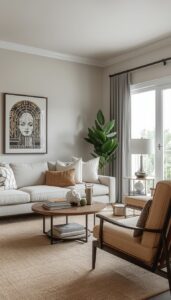
Small living rooms can feel stylish and functional with smart design choices. The goal is to make every piece count while keeping the room open and comfortable. Slim furniture, light colors, mirrors, and practical storage can make compact spaces feel larger. A small living room should feel intentional, not crowded.
Choose Furniture With Slim Profiles
Compact furniture helps maintain open pathways and flow. Choose sofas with raised legs, narrow side tables, and chairs that do not take up too much visual space. Slim profiles make the room easier to move through while still giving you comfortable seating and useful surfaces.
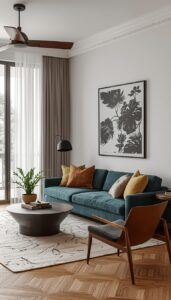
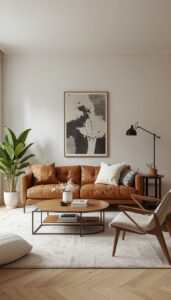
Use Light Colors to Open the Space
Light walls and furnishings make small rooms feel larger. Soft whites, beige, pale gray, and light wood tones reflect more light and create an airy feeling. Add warmth through textiles and natural textures so the room feels open but still cozy and welcoming.
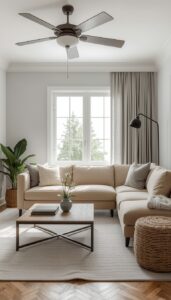
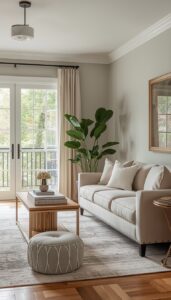
Add Mirrors for Depth
Mirrors reflect light and visually expand the room. Place a mirror across from a window or near a light source to brighten the space. A simple framed mirror can also act as decor while making the living room feel deeper, lighter, and more balanced.
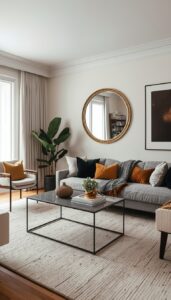
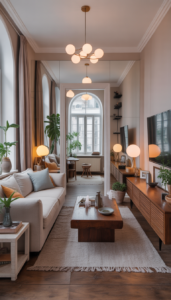
Open Concept Living Room Designs
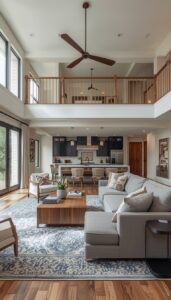
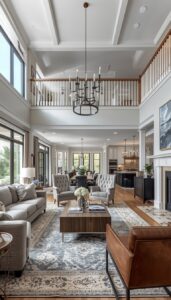
Open living rooms blend seamlessly with dining or kitchen areas. This layout feels spacious and social, but it needs clear structure so each area has purpose. Furniture placement, rugs, lighting, and repeated finishes can help define the living room while keeping the open flow intact. The result feels connected and organized.
Define Zones With Rugs
Area rugs help separate spaces without walls. A rug beneath the sofa and coffee table clearly marks the living area in an open layout. Choose a size large enough to anchor the main furniture so the space feels grounded, comfortable, and visually complete.
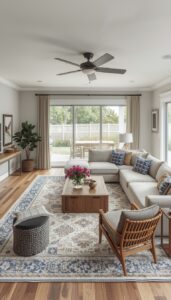
Keep Furniture Arrangement Intentional
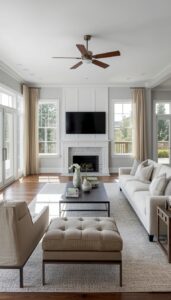
Position seating to encourage conversation and flow. Sofas and chairs should create a clear living zone while leaving enough space to move between areas. A thoughtful arrangement makes the open layout feel welcoming and prevents furniture from looking scattered or disconnected.
Use Consistent Materials
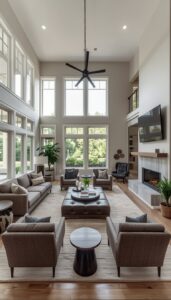
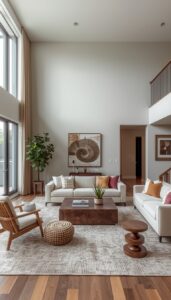
Repeating colors and finishes keeps open spaces cohesive. Use similar wood tones, metal finishes, fabrics, or accent colors across the living, dining, and kitchen areas. This connection helps the entire space feel harmonious while still allowing each zone to have its own function.
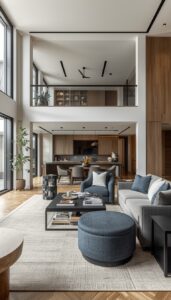
Living Room Designs With Statement Furniture
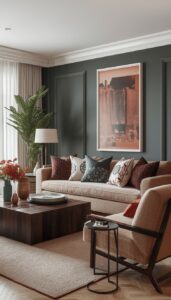
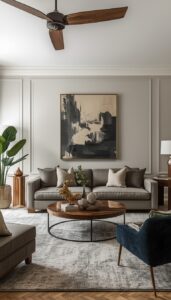
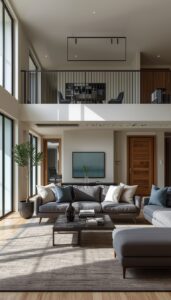
Statement pieces give living rooms personality and focus. A bold sofa, unique coffee table, or eye catching chair can define the room and make it feel memorable. The key is to let one or two pieces stand out while keeping the surrounding decor balanced. This creates impact without visual clutter.
Anchor the Room With a Feature Sofa
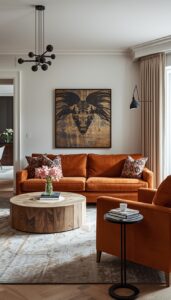
A bold sofa sets the tone for the entire space. It can introduce color, shape, texture, or scale that makes the living room feel distinctive. Pair it with simpler rugs, tables, and decor so the sofa remains the main feature without competing with too many strong elements.
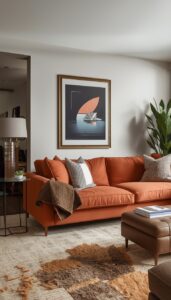
Add One Eye Catching Accent Piece
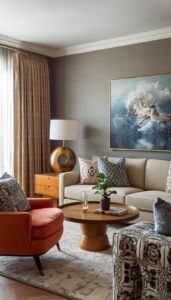
A unique chair or coffee table adds interest without overwhelming. Choose a piece with a special shape, rich material, or beautiful finish. One strong accent can bring personality to the room while still keeping the overall design comfortable, balanced, and easy to live with.
Balance With Simple Surroundings
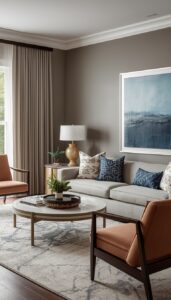
Let statement furniture shine by keeping the rest of the decor subtle. Neutral walls, simple curtains, understated lighting, and calm accessories allow bold pieces to stand out. This approach keeps the room stylish while preventing the design from feeling too busy or overdone.
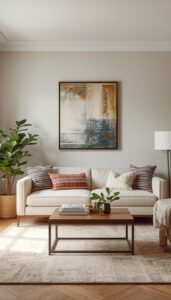
Natural and Organic Living Room Designs
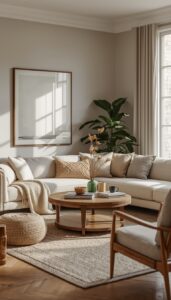
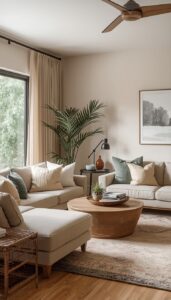
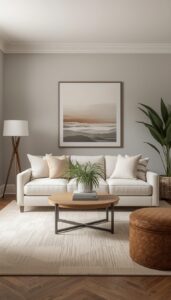
Natural elements bring warmth and calm into living rooms. This design approach uses materials, colors, and textures inspired by nature to create a grounded and relaxing space. Wood, stone, greenery, linen, cotton, and earthy tones make the room feel fresh and welcoming. Organic design works beautifully with modern, rustic, and neutral interiors.
Incorporate Wood and Stone
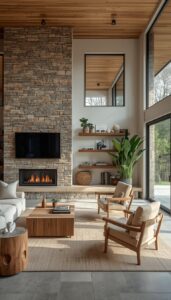
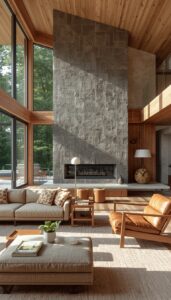
Natural materials add texture and authenticity. A wood coffee table, stone fireplace, ceramic bowl, or woven basket can bring quiet character into the room. These materials help soften clean lines and make the living space feel more relaxed, timeless, and connected to nature.
Add Greenery
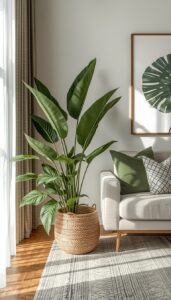
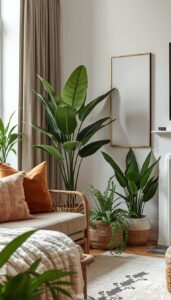
Plants introduce freshness and soften clean lines. A tall plant in a corner, small greenery on a shelf, or stems in a vase can make the room feel more alive. Choose simple planters that match the room’s palette so the greenery feels natural and cohesive.
Choose Earth Inspired Tones
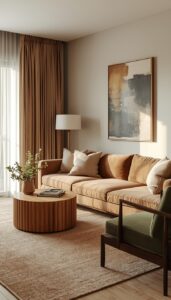
Warm browns and soft greens enhance a grounded feel. These colors can appear through pillows, rugs, artwork, furniture, or decorative pieces. Earth inspired tones create warmth without feeling loud, helping the living room feel calm, balanced, and comfortable for everyday use.
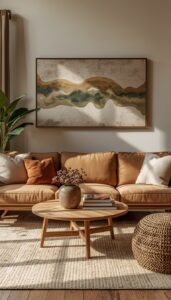
Living Room Designs With Thoughtful Lighting
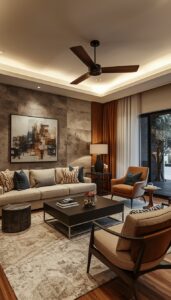
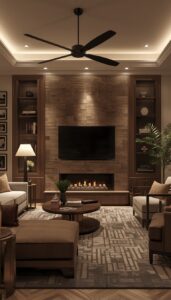
Lighting shapes both the mood and function of a living room. A beautiful room can feel unfinished if the lighting is too harsh or uneven. Layered lighting creates depth, highlights key areas, and makes the space more inviting. The best lighting plans support relaxing, entertaining, reading, and everyday routines.
Layer Multiple Light Sources
Combine overhead lighting with lamps for flexibility. Ceiling fixtures provide general brightness, while table lamps and floor lamps create softer areas. Layering lights allows you to adjust the room’s mood throughout the day and makes the living room feel warmer and more complete.
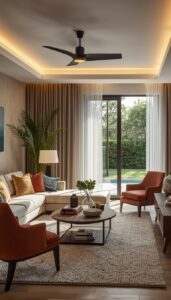
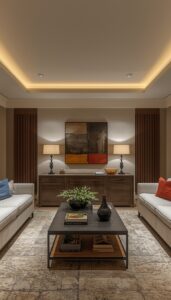
Use Warm Light Tones
Warm lighting makes the room feel inviting and comfortable. Soft warm bulbs bring out the beauty of wood, textiles, and neutral colors. Avoid overly cool light in living areas, because it can make the space feel flat and less cozy, especially in the evening.
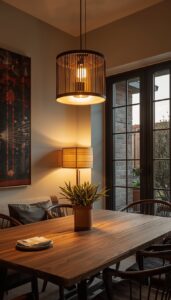
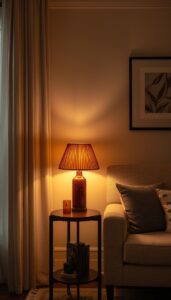
Highlight Key Areas
Use lighting to draw attention to artwork or focal points. A lamp near a reading chair, light above a console, or soft glow around shelving can add depth. Highlighting important areas makes the living room feel more layered, intentional, and visually interesting.
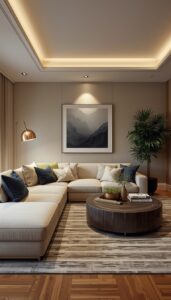
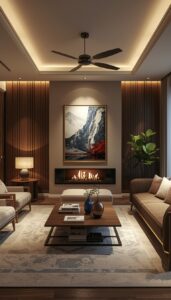
Bring the Living Room Design Together With Purpose
A beautiful living room design feels balanced, comfortable, and personal. By combining cozy seating, layered textures, intentional lighting, smart layouts, and thoughtful decor, you can create a space that works for everyday life while still feeling stylish. Start with furniture that supports how you use the room, then add colors, materials, and accents that create warmth and character. Whether your style is modern, neutral, natural, cozy, or open concept, the strongest living room designs feel practical as well as beautiful. With purpose and balance, your living room can become a welcoming space for relaxing, gathering, and enjoying home.
More Decor Ideas You’ll Love
- House Interior Ideas That Feel Stylish, Comfortable, and Well Balanced
- Farmhouse Decor Ideas That Feel Cozy, Timeless, and Stylish
- Kitchen Design Ideas That Feel Stylish, Functional, and Inviting
- 2026 Kitchen Trends with Inspiring Decor Ideas for Stylish Homes
- Small Vanity Ideas for Bedroom That Save Space and Look Stylish
