
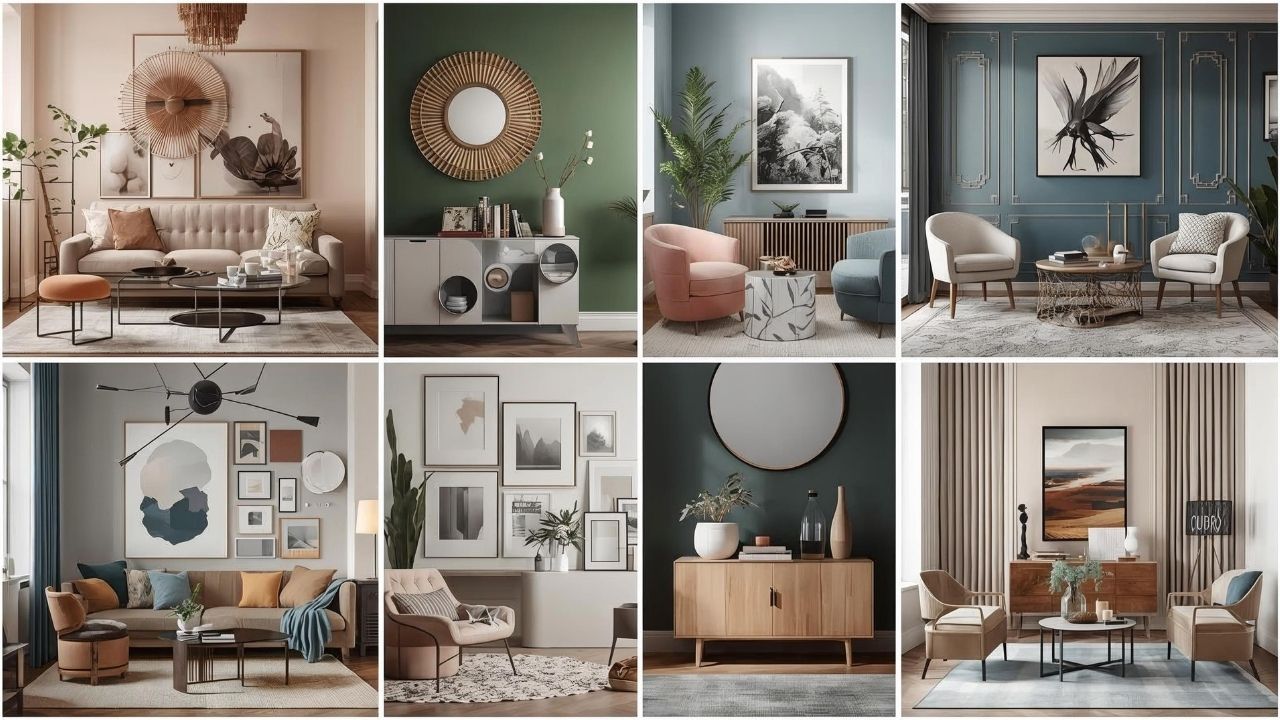
Home decor continues to evolve toward spaces that feel personal, calming, and intentional. Today’s interiors focus on comfort, natural beauty, and thoughtful design choices that support everyday living while still looking elevated. Instead of fast trends, people are leaning into styles that feel timeless, warm, and adaptable. The strongest decorating ideas now combine function with personality, using colors, materials, lighting, and layouts that make a home feel beautiful and easy to live in. These home decor trends highlight the ideas shaping modern interiors and can help you create rooms that feel stylish, welcoming, and truly livable.
These home decor trends highlight the ideas shaping modern interiors, from color choices to materials and layouts, helping you create a home that feels both stylish and livable.
Warm Earthy Color Palettes Taking Center Stage
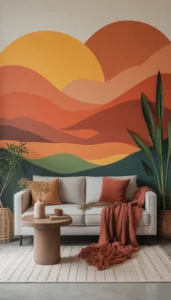
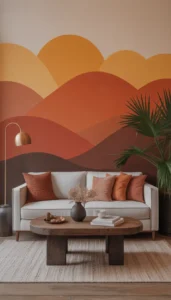
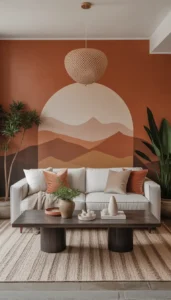
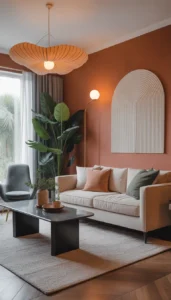
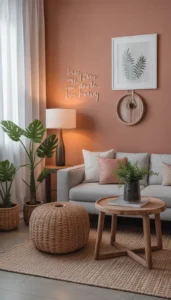
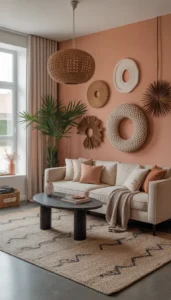
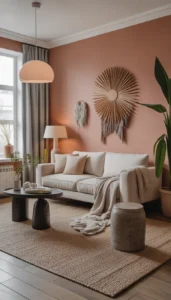
Earth inspired colors are becoming a foundation for modern interiors. These tones feel calm, natural, and easy to layer, which makes them ideal for living rooms, bedrooms, kitchens, and entryways. Warm palettes also help a home feel more inviting than bright white or cool gray schemes. By mixing soft neutrals with deeper accents, interiors can feel grounded, cozy, and visually balanced.
Use soft warm neutrals
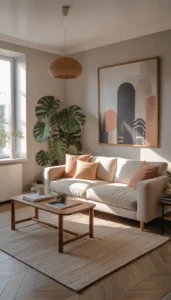
Beige, clay, sand, and warm white create calming backdrops. These shades work beautifully on walls, sofas, curtains, and rugs because they feel soft without looking dull. Warm neutrals also pair well with wood, stone, linen, and woven textures, making the entire room feel relaxed and cohesive.
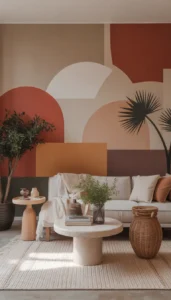
Add depth with earthy accents
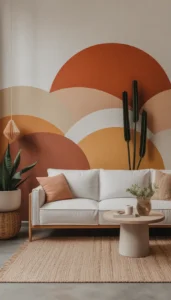
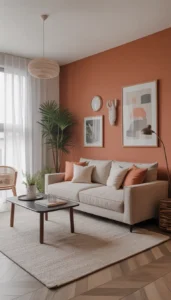
Terracotta, olive, rust, and deep brown add richness. These colors can be used through pillows, artwork, vases, rugs, or accent chairs. Earthy accents bring personality without overpowering the space, especially when they are repeated in small details throughout the room.
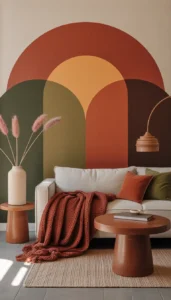
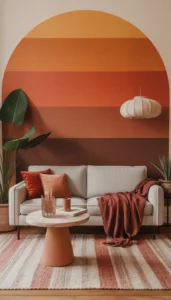
Keep the palette balanced
Mix light and medium tones to avoid heaviness. A room with only dark earthy shades can feel closed in, while too many pale tones may feel flat. Balance warm whites and beige with clay, brown, or muted green for a look that feels layered and comfortable.
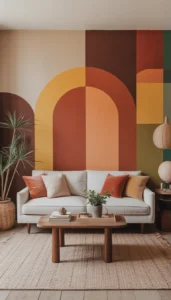
Natural Materials Bringing Comfort and Texture
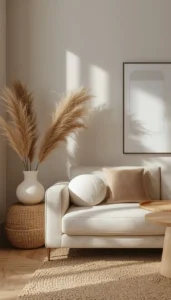
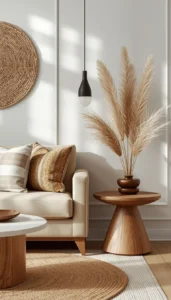
Natural elements continue to play a major role in home styling. Materials like wood, stone, clay, linen, and ceramic make interiors feel grounded and authentic. They add warmth without relying on heavy decoration and bring a sense of calm to modern spaces. Using natural materials thoughtfully helps rooms feel timeless, textured, and connected to everyday comfort.
Choose wood with visible grain
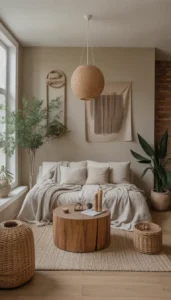
Natural finishes feel authentic and grounding. Wood with visible grain adds warmth, character, and subtle movement to furniture, floors, shelving, and decor. Whether you choose light oak, walnut, or weathered wood, the natural pattern helps the space feel less polished and more welcoming.
Add stone or clay details
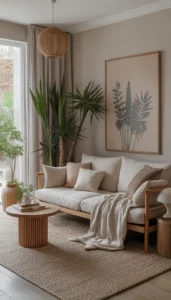
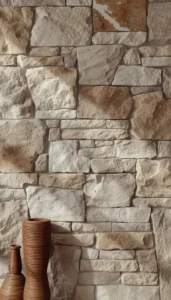
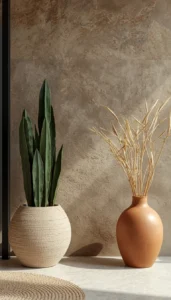
Organic textures bring warmth and character. Stone trays, clay vases, ceramic bowls, and textured planters can add depth to shelves and tables. These pieces feel simple but meaningful, giving the room a handcrafted quality that supports a relaxed and natural interior style.
Mix materials thoughtfully
Combining wood, linen, and ceramic creates depth. A wooden table, linen curtains, and ceramic decor can make a neutral room feel layered without clutter. Repeating materials in small ways throughout the room keeps the design cohesive and naturally balanced.
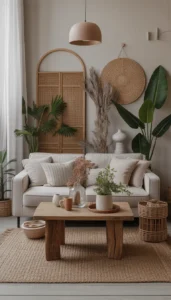
Curved Furniture for Softer Interiors
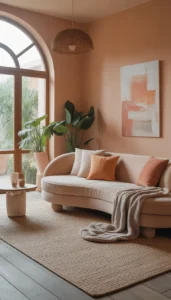
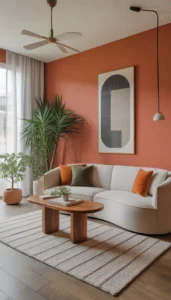
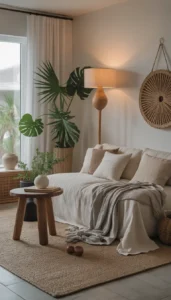
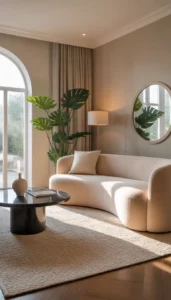
Rounded shapes are redefining furniture design. Curves make interiors feel softer, more welcoming, and easier to move through. Sofas, chairs, tables, mirrors, and decor with rounded edges can reduce harsh lines and create a more relaxed mood. This trend works well in modern, minimalist, boho, and neutral interiors because it adds comfort without visual clutter.
Choose curved sofas or chairs
Soft lines create a welcoming feel. A curved sofa or rounded accent chair can instantly make a room feel more relaxed and inviting. These shapes work especially well in living rooms and bedrooms where comfort matters, helping the space feel calm and visually gentle.
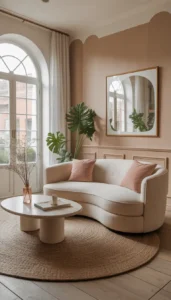
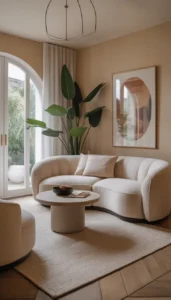
Add rounded accent tables
They improve flow and visual balance. Round coffee tables, side tables, and nesting tables are practical in small or open spaces because they are easy to move around. Their softer shape balances straight sofas, shelves, and cabinets while adding a modern decorative touch.
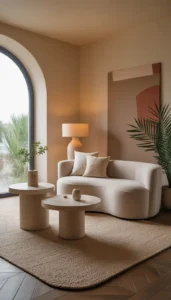
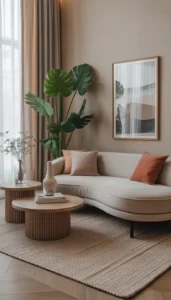
Balance curves with clean lines
This keeps the space modern and refined. Too many rounded pieces can make a room feel overly soft, so pair them with simple shelving, straight cabinetry, or structured rugs. This balance helps the room feel elegant, comfortable, and well designed.
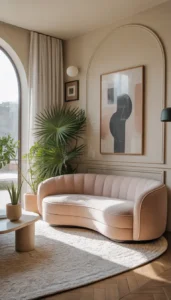
Cozy Minimalism for Everyday Living
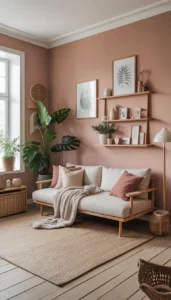
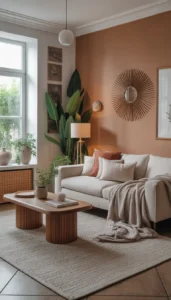
Minimalism is shifting toward warmth and comfort. Instead of empty rooms and cold finishes, cozy minimalism focuses on useful pieces, soft textures, and calm layouts. The goal is to keep a space uncluttered while still making it feel welcoming. This style works beautifully for people who want a home that feels simple, practical, and peaceful.
Focus on fewer meaningful pieces
Intentional decor feels calm and personal. Choose items that add beauty, function, or emotional value rather than filling every surface. A few well chosen pieces can make a room feel refined and lived in without creating clutter or visual stress.
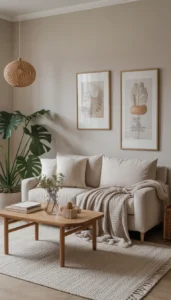
Use layered textures
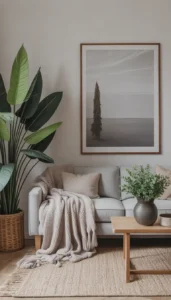
Soft fabrics prevent minimal spaces from feeling cold. Linen curtains, wool rugs, cotton cushions, and textured throws can bring warmth into simple rooms. Texture allows a space to feel cozy and interesting even when the color palette stays quiet and neutral.
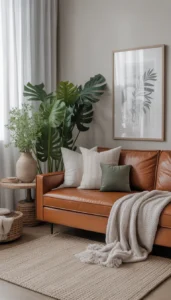
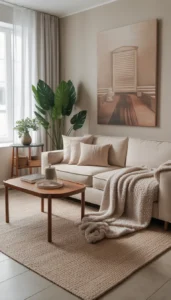
Keep layouts open and functional
Comfort and usability come first. Furniture should support movement, conversation, storage, and daily routines. An open layout with clear pathways and practical pieces makes a room feel calm while still serving real life needs.
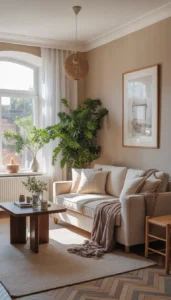
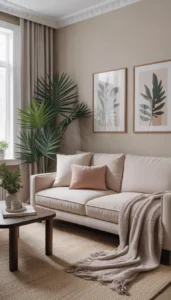
Statement Lighting as a Design Feature
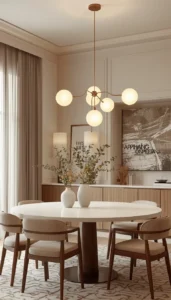
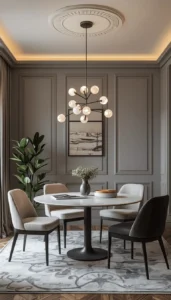
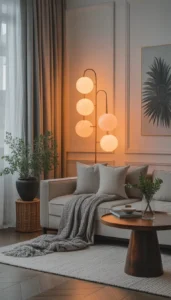
Lighting is becoming a focal point in home decor. A beautiful fixture can shape the mood of a room while acting as a decorative feature. From sculptural pendants to warm table lamps, lighting now plays both a practical and artistic role. The right lighting plan can make interiors feel layered, cozy, and thoughtfully finished.
Choose sculptural light fixtures
Lighting doubles as art. A curved pendant, oversized lamp, or unique chandelier can add shape and personality to a room. Statement lighting works best when it complements the furniture scale and connects with the overall color palette and material choices.
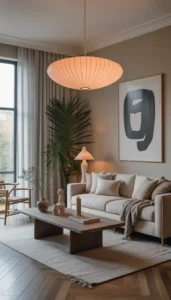
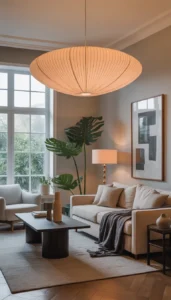
Layer lighting sources
Combining ceiling, wall, and table lighting adds depth. Layered lighting allows a room to feel bright when needed and softer in the evening. Use pendants, sconces, floor lamps, and table lamps to create a flexible atmosphere that feels comfortable throughout the day.
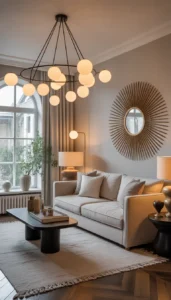
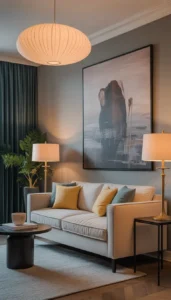
Use warm lighting tones
Soft light enhances comfort and mood. Warm bulbs make natural materials, earthy colors, and textured fabrics look richer. Avoid overly cool lighting in living rooms and bedrooms because it can make interiors feel less inviting and less restful.
Sustainable Decor Choices Gaining Attention
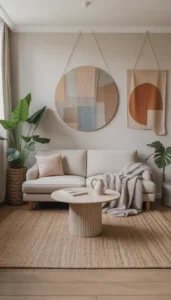
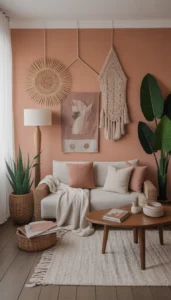
Thoughtful and mindful decor is influencing design decisions. More people are choosing pieces that last longer, feel meaningful, and support a slower approach to decorating. Sustainable decor is not only about materials, but also about buying with purpose. A home feels better when each item is useful, beautiful, and chosen intentionally.
Invest in quality pieces
Durable items reduce the need for frequent replacements. A well made sofa, dining table, rug, or cabinet can last for years and stay stylish through changing trends. Quality pieces often bring better comfort, stronger materials, and a more timeless look.
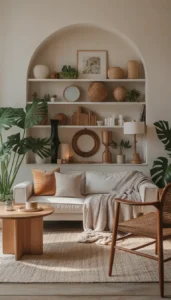
Choose natural and recycled materials
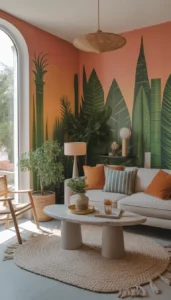
They support a more conscious lifestyle. Recycled glass, reclaimed wood, organic cotton, bamboo, and natural fibers can add beauty while reducing waste. These materials also bring texture and warmth, making sustainable choices feel stylish and practical.
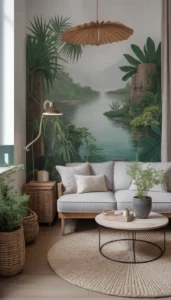
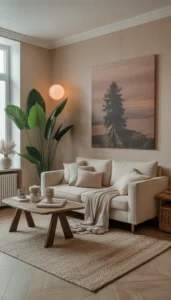
Decorate with intention
Every item should serve a purpose or bring joy. Before adding new decor, consider whether it improves the room’s function, comfort, or personality. Intentional decorating helps prevent clutter and creates a home that feels more peaceful and meaningful.
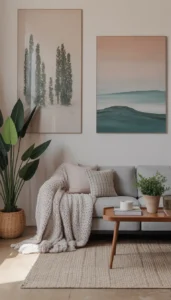
Textured Walls Adding Visual Interest
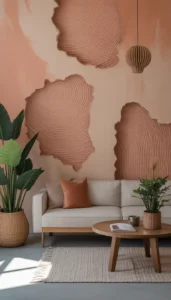
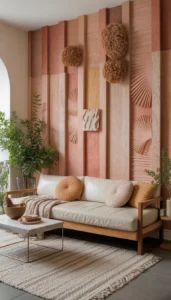
Walls are becoming more expressive through texture. Instead of relying only on bold paint colors, many interiors now use subtle finishes that add depth and movement. Textured walls can make simple rooms feel more custom, elegant, and warm. This trend works especially well with neutral palettes because it creates interest without overwhelming the space.
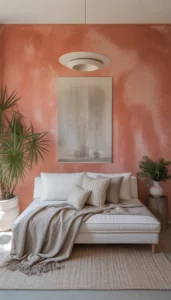
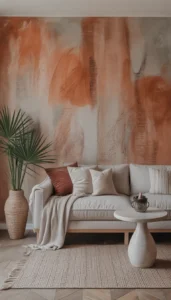
Use plaster or limewash finishes
Soft texture adds depth without bold color. Plaster and limewash create gentle movement across walls, making the room feel layered and natural. These finishes work beautifully in bedrooms, living rooms, and dining spaces where a calm but elevated look is desired.
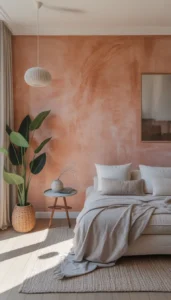
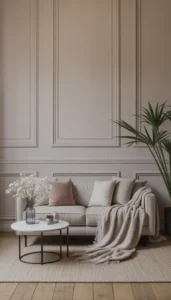
Try subtle wall paneling
Panels create dimension and elegance. Vertical panels, board details, or simple trim can add structure to plain walls. When painted in soft neutral colors, paneling feels refined without making the space feel busy or overly traditional.
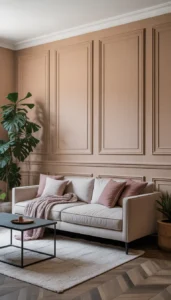
Keep wall colors muted
Texture stands out best with soft tones. Warm white, beige, taupe, clay, and muted gray allow wall finishes to show naturally. Softer colors help textured walls feel calming and timeless rather than dramatic or distracting.
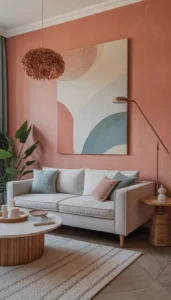
Vintage and Handmade Accents Making a Comeback
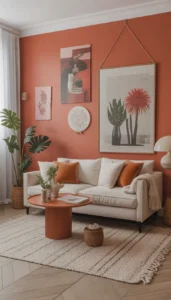
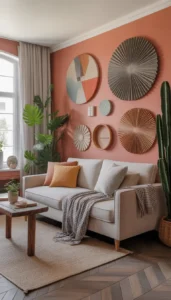
Character filled decor is becoming increasingly popular. Vintage and handmade pieces bring soul, warmth, and individuality into modern homes. These accents make spaces feel collected rather than overly matched. A few unique items can create a sense of history and personality while still blending beautifully with newer furniture.
Mix vintage with modern
This creates layered and lived in spaces. A vintage mirror, antique table, or old ceramic piece can add charm beside modern seating or clean lined cabinets. Mixing eras prevents rooms from feeling generic and gives the home a more personal look.
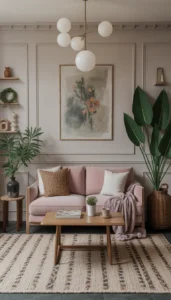
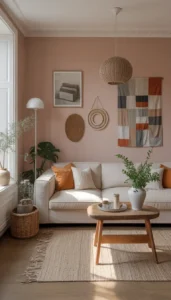
Display handmade decor
Ceramics and art add personality. Handmade bowls, woven baskets, pottery, and original artwork bring texture and authenticity to shelves, tables, and walls. These details feel special because they often include natural imperfections and unique forms.
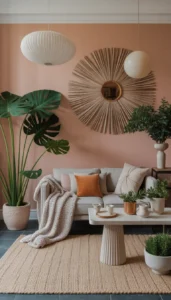
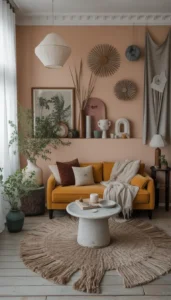
Choose pieces with story
Unique items make homes feel personal. Travel finds, inherited decor, thrifted pieces, or handmade objects can add emotional value. When displayed thoughtfully, these accents make a home feel warmer, more meaningful, and less like a showroom.
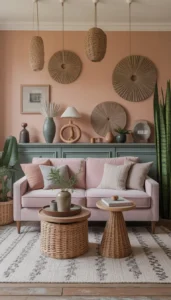
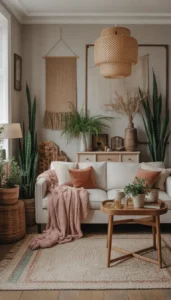
Multifunctional Spaces for Flexible Living
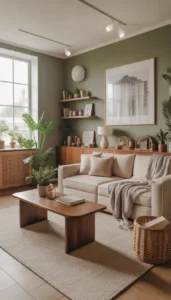
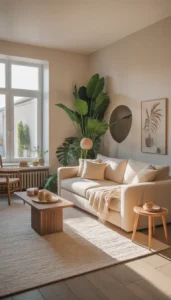
Homes are being designed to support multiple uses. Living rooms may include work corners, dining areas may double as study spaces, and bedrooms may need small vanity or reading areas. Flexible interiors help rooms adapt to changing routines while still feeling stylish and organized.
Use adaptable furniture
Pieces that serve more than one purpose save space. Storage ottomans, extendable tables, sleeper sofas, and foldable desks are useful in modern homes. Adaptable furniture keeps rooms practical without sacrificing comfort or design.
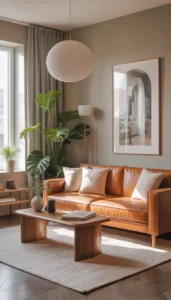
Create defined zones
Rugs and lighting help separate functions. A floor lamp can mark a reading corner, while a rug can define a work or lounge area. Clear zones make multifunctional spaces easier to use and visually more organized.
Keep layouts flexible
Spaces should adapt to changing needs. Avoid overfilling rooms with furniture that only serves one purpose. A flexible layout allows you to rearrange seating, add storage, or shift functions as your lifestyle changes.
Soft Fabrics and Layered Textiles Everywhere
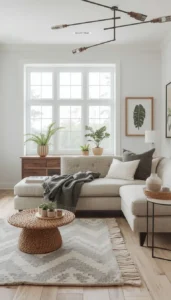
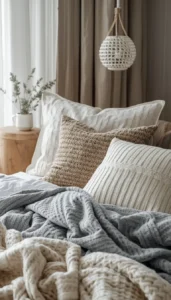
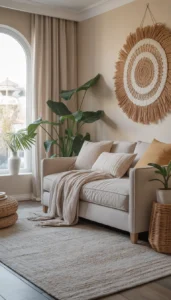
Comfort driven styling is influencing fabric choices. Soft textiles are being used to make interiors feel warmer, quieter, and more inviting. Rugs, curtains, pillows, throws, and upholstery bring softness to hard surfaces and help rooms feel complete. Layered fabrics also make neutral spaces feel richer and more comfortable.
Use natural fabrics
Linen, cotton, and wool feel breathable and cozy. These materials work well in bedrooms, living rooms, and dining spaces because they feel relaxed and timeless. Natural fabrics also pair beautifully with wood, stone, clay, and warm neutral colors.
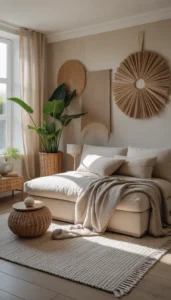
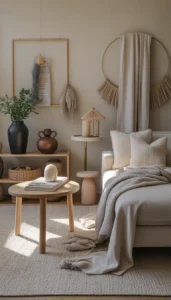
Layer textiles thoughtfully
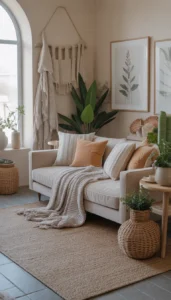
Throws, cushions, and rugs add warmth. Layering different fabric textures creates depth without needing bold patterns or bright colors. Choose pieces that feel comfortable and useful so the room looks styled but still easy to live in.
Stick to calm color combinations
Neutral fabrics create a soothing atmosphere. Soft beige, cream, taupe, gray, and muted earth tones help interiors feel restful and cohesive. Calm fabric colors are easy to update with small seasonal accents when you want a fresh look.
Design Trends That Inspire Timeless Homes
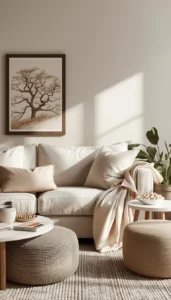
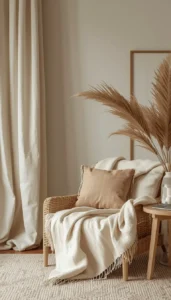
Home decor trends are moving toward spaces that feel warm, personal, and enduring. By focusing on natural materials, thoughtful layouts, comforting textures, and meaningful decor, it becomes easier to design interiors that feel stylish without feeling temporary. Start with a calm color palette, then bring in wood, stone, soft fabrics, warm lighting, and pieces that support daily life. Choose quality over excess, add personality through vintage or handmade accents, and keep rooms flexible enough to adapt over time. The most beautiful homes are not only trend aware, they feel comfortable, intentional, and truly lived in.
If you enjoy staying inspired by evolving home decor ideas, exploring related interior styling trends can help you continue creating spaces that feel balanced, inviting, and beautifully lived in.
