
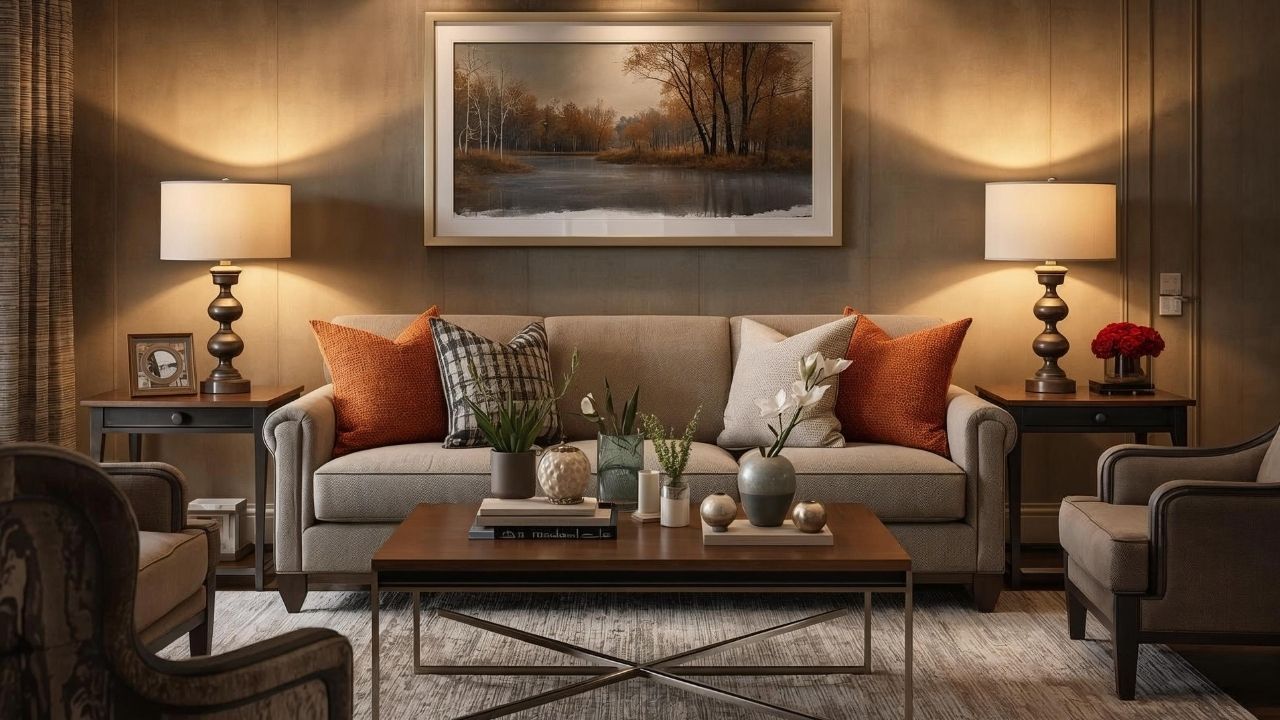
The living room is the heart of the home, a space where comfort meets style and everyday moments come together. A well styled living room feels welcoming, functional, and visually balanced. The right decor choices can transform the room into a place that feels relaxing while still reflecting your personal taste. From soft textures and warm lighting to thoughtful furniture placement and meaningful accents, every detail helps shape the atmosphere. These living room decor ideas focus on creating a space that feels warm, modern, and easy to live in, using design elements that enhance both comfort and style.
These living room decor ideas focus on creating a space that feels warm, modern, and easy to live in, using thoughtful design elements that enhance both comfort and style.
Warm Neutral Color Palettes for a Timeless Look
Neutral tones create a calming foundation that works with many decor styles. They make a living room feel open, soft, and easy to update over time. Warm neutrals are especially useful because they add comfort without making the space feel plain. When layered with texture, contrast, and natural materials, a neutral palette can feel rich, inviting, and timeless.
Use layered neutral shades
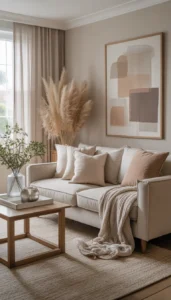
Mix beige, cream, and soft gray for depth. Layering close shades keeps the room calm while preventing it from feeling flat. Use these tones across walls, rugs, sofas, curtains, and pillows so the living room feels connected, soft, and visually balanced.
Add contrast with darker accents
Deep tones ground the space visually. A dark coffee table, black frame, charcoal pillow, or deep brown chair can add structure to a light room. These accents create balance and help neutral living room decor feel more polished and intentional.
Keep walls light for openness
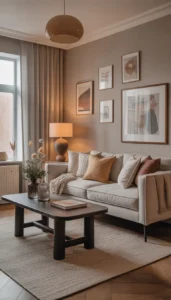
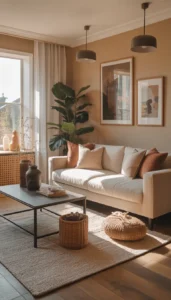
Light walls help the room feel spacious. Warm white, soft cream, or pale greige can brighten the living room and make furniture feel less heavy. Light walls also create a flexible backdrop for artwork, plants, wood accents, and seasonal decor updates.
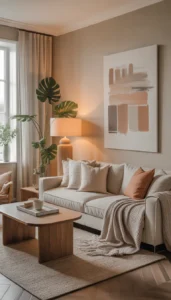
Comfortable Seating That Encourages Relaxation
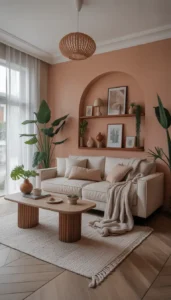
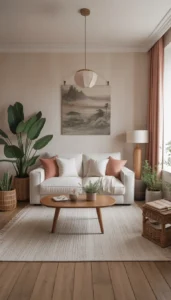
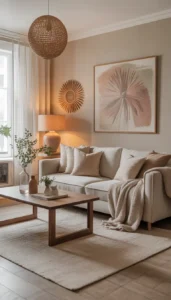
Seating is the centerpiece of the living room. It affects how the room looks, feels, and functions every day. Comfortable seating makes the space more inviting for relaxing, entertaining, reading, or spending time with family. The best living room seating combines soft materials, proper scale, and a layout that supports conversation and movement.
Choose sofas with soft upholstery
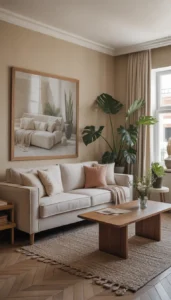
Comfortable fabrics invite everyday use. Linen blends, cotton, boucle, velvet, or soft performance fabrics can make a sofa feel cozy and practical. Choose a sofa with supportive cushions and a shape that suits the room so it looks stylish while remaining comfortable.
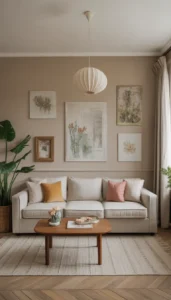
Add accent chairs for balance
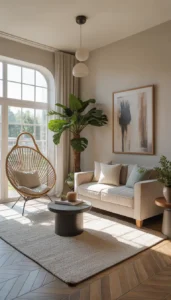
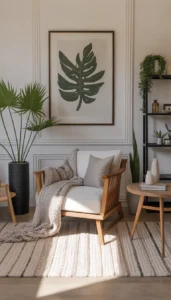
They provide extra seating and visual interest. Accent chairs can fill empty corners, balance a sofa, or create a cozy conversation area. Choose chairs that complement the main seating through color, texture, or shape without making the room feel crowded.
Keep furniture proportional
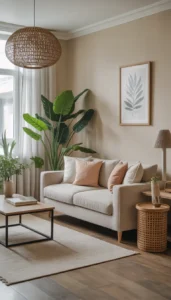
Right sized pieces improve flow and comfort. Oversized furniture can make a living room feel cramped, while pieces that are too small may feel disconnected. Choose sofas, chairs, and tables that fit the room’s scale and leave enough space to move easily.
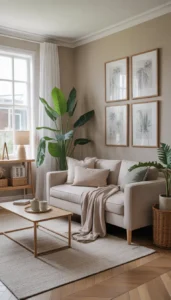
Textured Fabrics That Add Warmth
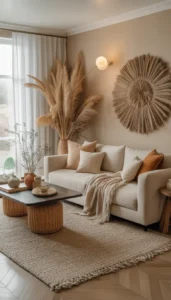
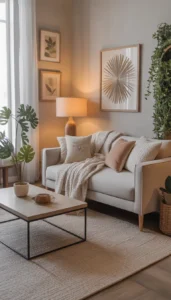
Texture plays a key role in making a living room feel cozy. Even a simple color palette can look layered and inviting when different fabrics are used thoughtfully. Pillows, blankets, curtains, and upholstery add softness while helping the room feel more finished. The goal is to create comfort without overwhelming the space.
Layer throw pillows and blankets
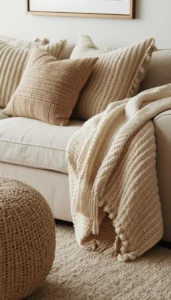
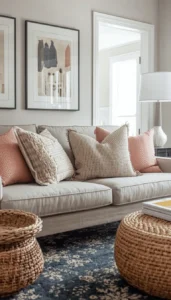
Soft textures add comfort and style. A few pillows and a relaxed throw can instantly make a sofa or chair feel more inviting. Choose colors that connect with the room’s palette and vary the textures for a more natural, cozy look.
Mix fabric types
Combine linen, wool, and cotton for depth. Different fabrics catch light in different ways and make the room feel more layered. A linen curtain, wool rug, cotton pillow, and knit throw can work together beautifully without making the design feel busy.
Stick to subtle patterns
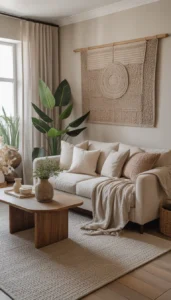
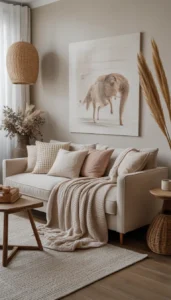
They add interest without overwhelming the room. Soft stripes, small checks, gentle florals, or tonal designs can bring movement to the space. Subtle patterns are easier to mix and help the living room feel styled while still calm and comfortable.
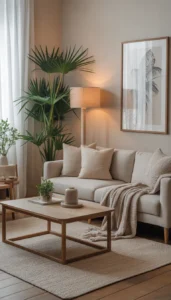
Lighting That Creates the Right Mood
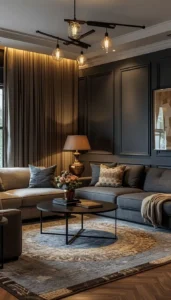
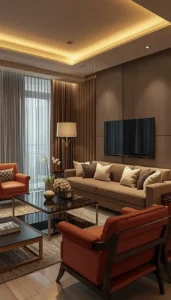
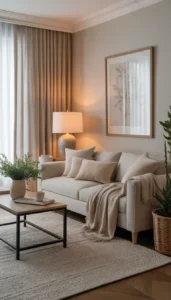
Lighting sets the atmosphere in the living room. It affects how colors appear, how cozy the room feels, and how well the space works in the evening. A good lighting plan uses more than one source, creating brightness where needed and softness where desired. Thoughtful lighting makes the room feel warm, layered, and welcoming.
Use layered lighting
Combine ceiling lights, lamps, and accent lighting. Overhead lighting gives general brightness, while table lamps and floor lamps create softer zones. Accent lighting can highlight shelves, artwork, or corners, making the living room feel more complete and inviting.
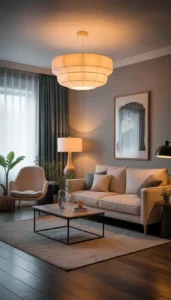
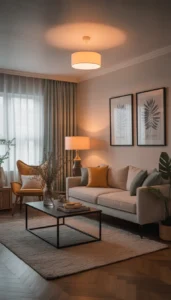
Choose warm lighting tones
Warm light creates a relaxed feel. Soft warm bulbs make neutral colors, wood furniture, and textured fabrics look richer. Avoid overly cool lighting in living rooms because it can make the space feel harsh instead of cozy and comfortable.
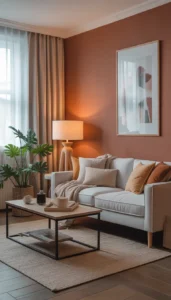
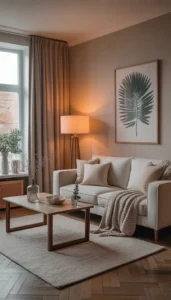
Add floor or table lamps
They make the room feel inviting in the evening. Lamps create pools of soft light near seating areas, side tables, or reading corners. A well placed lamp can also add height, shape, and decorative interest to the living room.
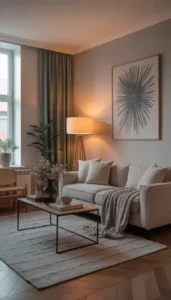
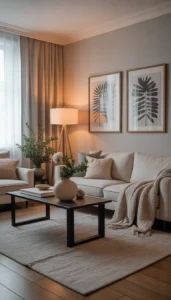
Area Rugs That Define the Space
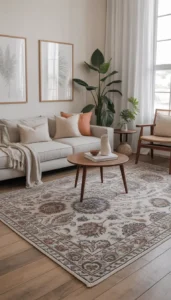
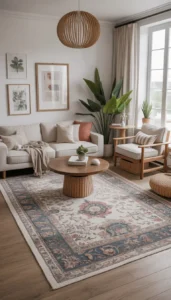
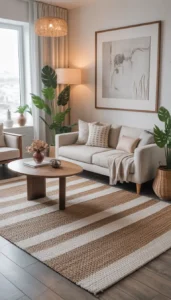
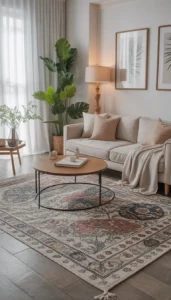
Rugs help anchor furniture and define seating areas. They add softness underfoot, reduce echo, and make the room feel more connected. A rug can also introduce texture, color, or pattern without changing the main furniture. Choosing the right size and style helps the living room feel balanced and complete.
Choose the right rug size
A rug that fits the seating area feels cohesive. Ideally, the front legs of sofas and chairs should sit on the rug to connect the furniture. A rug that is too small can make the room feel scattered, while a larger rug creates a grounded look.
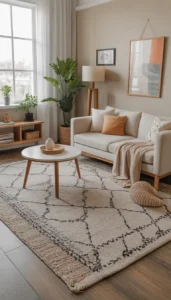
Use soft textures underfoot
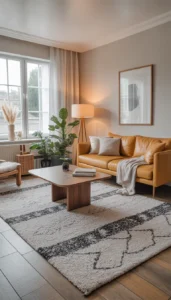
Comfortable rugs enhance relaxation. Wool, cotton, jute blends, or plush low pile rugs can add warmth and comfort. Choose a texture that suits your lifestyle, especially if the living room is used often by family, guests, or pets.
Keep colors balanced
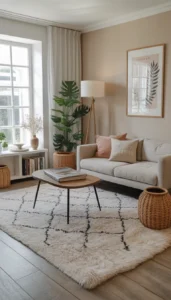
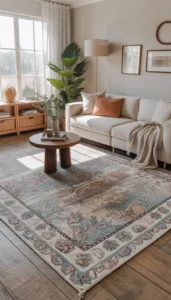
Neutral or muted rugs work with most decor styles. Beige, gray, cream, taupe, and soft patterned rugs are easy to pair with different furniture. A balanced rug color helps support the room’s mood without taking attention away from other decor elements.
Wall Decor That Feels Thoughtful
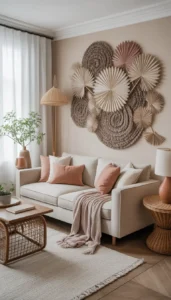
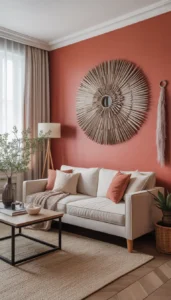
Wall decor adds personality without clutter. It helps make a living room feel finished and personal while creating visual interest. Artwork, mirrors, framed prints, and simple arrangements can all work beautifully when chosen with intention. The best wall decor supports the room’s style without making the walls feel too busy.
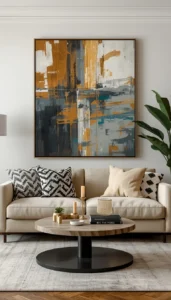
Use statement artwork
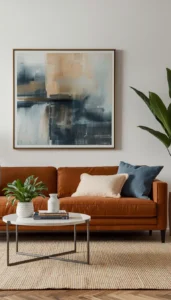
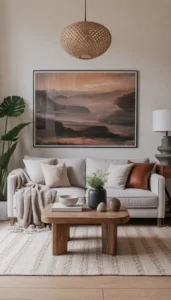
One large piece creates a focal point. A single oversized artwork above the sofa, fireplace, or console can make the room feel more designed. Choose colors, shapes, or themes that connect with the living room palette for a cohesive effect.
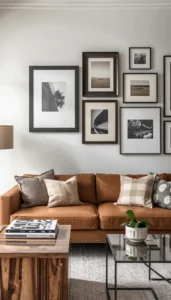
Create a simple gallery wall
A few coordinated frames add interest. Gallery walls work best when the frames, colors, or art styles have something in common. Keep the arrangement clean and avoid using too many small pieces so the wall feels balanced rather than crowded.
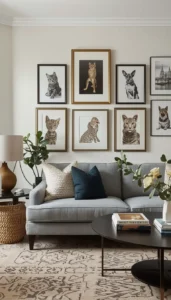
Keep spacing intentional
Balanced layouts feel calm and organized. Leave enough space between frames, shelves, and furniture so each piece can stand out. Proper spacing helps wall decor look planned and keeps the living room feeling relaxed, polished, and easy on the eyes.
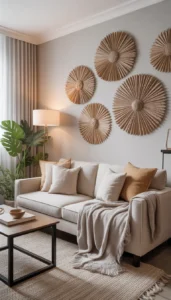
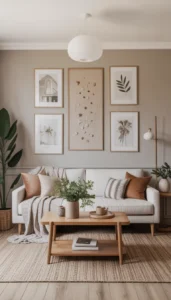
Coffee Table Styling for a Polished Look
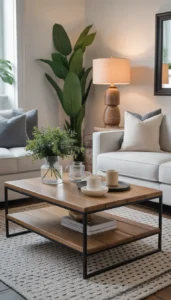
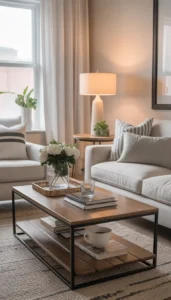
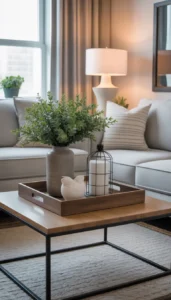
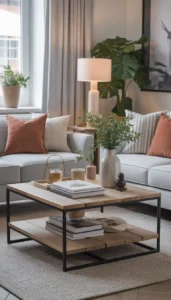
Coffee tables offer both function and style. They sit at the center of the seating area, so their styling can influence the entire room. A well styled coffee table should feel useful, attractive, and uncluttered. Trays, books, candles, bowls, and small decor pieces can add personality while keeping the surface practical.
Use trays to organize decor
They keep the surface tidy. A tray can group candles, coasters, small vases, or decorative objects so the table looks organized. It also makes items easier to move when you need space for drinks, snacks, or everyday use.
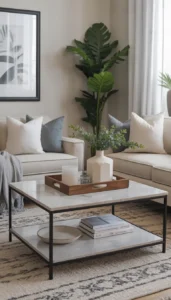
Mix decorative and practical items
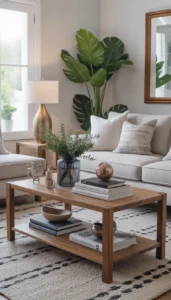
Books and small objects add character. A stack of books, a ceramic bowl, a candle, or a small plant can make the table feel styled but still useful. Choose items with different heights and textures for a more interesting arrangement.
Leave some empty space
Negative space keeps the look clean. A coffee table should not be covered completely, especially in a living room used daily. Leaving open space makes the table more functional and helps the styling feel calm, modern, and intentional.
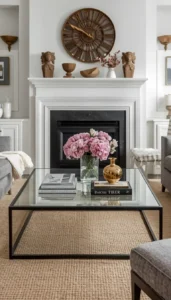
Natural Elements That Bring Balance
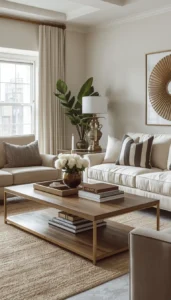
Natural materials add warmth and softness. They help a living room feel grounded, relaxed, and connected to the outdoors. Wood, plants, stone, ceramic, woven fibers, and natural fabrics can make even modern spaces feel more inviting. These elements bring texture and freshness without needing bold colors or excessive decor.
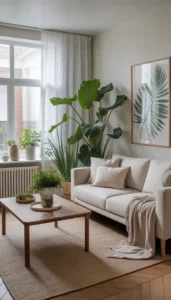
Add plants for freshness
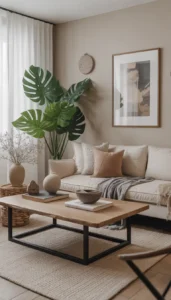
Greenery brings life into the room. A tall plant in a corner, small plant on a shelf, or stems in a vase can soften the space. Plants also add natural color, making the living room feel fresher, warmer, and more welcoming.
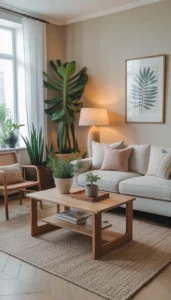
Use wood accents
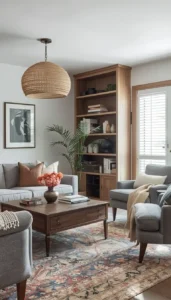
Natural wood tones add depth. A wood coffee table, side table, picture frame, tray, or shelving unit can warm up the room. Light wood feels airy, while darker wood adds richness and structure to the living room design.
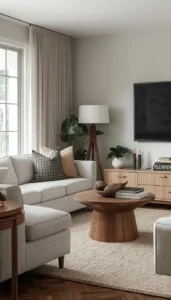
Incorporate stone or ceramic decor
They enhance texture and interest. Stone bowls, ceramic vases, clay planters, or marble trays bring organic beauty into the space. These details feel simple and timeless, adding quiet character without overwhelming the room.
Functional Storage That Looks Stylish
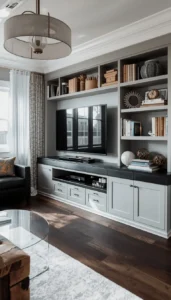
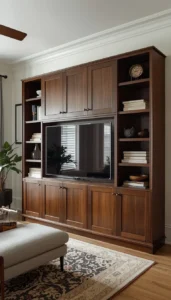
Storage should blend seamlessly with decor. A living room needs space for blankets, books, remotes, toys, and everyday items, but storage should not make the room feel heavy or cluttered. Stylish storage keeps the space organized while supporting the overall design. The best solutions are practical, attractive, and easy to use.
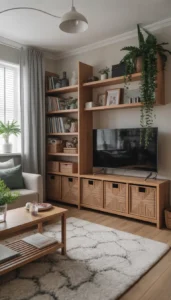
Use furniture with hidden storage
It keeps the room organized. Storage ottomans, coffee tables with drawers, and media cabinets can hide items that are used often. Hidden storage is especially helpful in smaller living rooms where visible clutter can quickly make the space feel crowded.
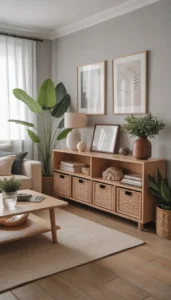
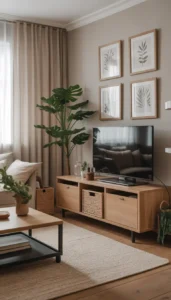
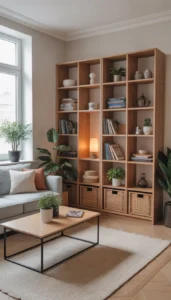
Choose shelves with clean lines
They display decor without clutter. Open shelves can hold books, baskets, plants, and meaningful accents when styled with restraint. Clean lined shelving keeps the look modern and allows each item to feel intentional rather than randomly placed.
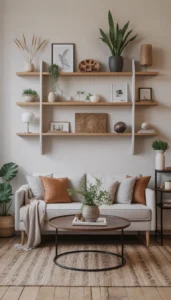
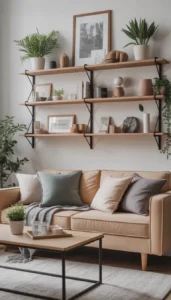
Keep storage visually light
Open designs feel more spacious. Slim cabinets, floating shelves, woven baskets, and light colored storage pieces can keep the living room airy. Avoid bulky units if the room is small, and choose pieces that match the overall color palette.
Layouts That Improve Flow and Comfort
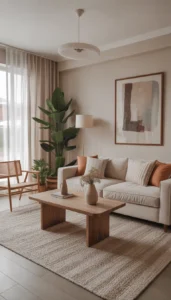
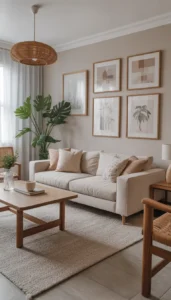
A good layout enhances how the room is used. Furniture placement should support conversation, movement, and relaxation while keeping the room visually balanced. Even beautiful decor can feel uncomfortable if the layout blocks pathways or feels disconnected. Thoughtful arrangement makes the living room more functional and welcoming.
Arrange furniture for conversation
Seating should face each other naturally. Sofas and chairs arranged around a coffee table create an easy gathering area. This layout encourages conversation and makes the room feel more inviting for family, guests, and everyday relaxing.
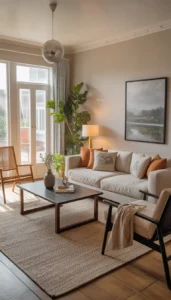
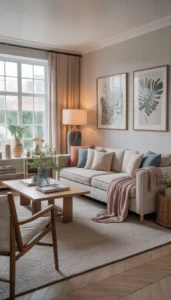
Keep walkways clear
Open paths improve movement. Leave enough space between furniture pieces so people can move comfortably through the room. Clear walkways make the living room feel larger, less crowded, and easier to use during busy daily routines.
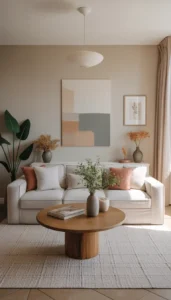
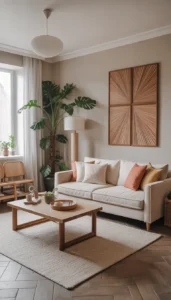
Balance furniture placement
Symmetry creates visual harmony. Matching chairs, balanced side tables, or evenly spaced lamps can make the room feel calm and organized. Perfect symmetry is not always necessary, but visual balance helps the space feel more polished and comfortable.
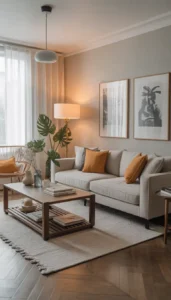
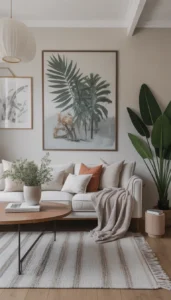
Create a Living Room You Love Coming Home To
A well designed living room combines comfort, style, and functionality. By focusing on warm colors, thoughtful lighting, textured fabrics, balanced layouts, and meaningful decor, you can create a space that feels inviting and easy to enjoy every day. Start with comfortable seating, then build the room with a cohesive palette, soft textiles, natural materials, and practical storage. Keep surfaces clean, choose decor with intention, and arrange furniture to support conversation and flow. When every detail works together, your living room becomes more than a decorated space. It becomes a welcoming place to relax, gather, and feel truly at home.
If you enjoy styling welcoming interiors, exploring more home decor and room styling ideas can help you continue creating spaces that feel both beautiful and livable.
More Decor Ideas You’ll Love
- 2026 Home Decor Trends Shaping Stylish and Comfortable Spaces
- Kitchen Backsplash Ideas That Elevate Style and Function
- Small Dining Nook Ideas That Feel Cozy, Functional, and Stylish
- Dark Boho Bedroom Ideas That Feel Moody, Cozy, and Stylish
- Cozy Earthy Bedroom Boho Ideas for a Warm and Grounded Space
