
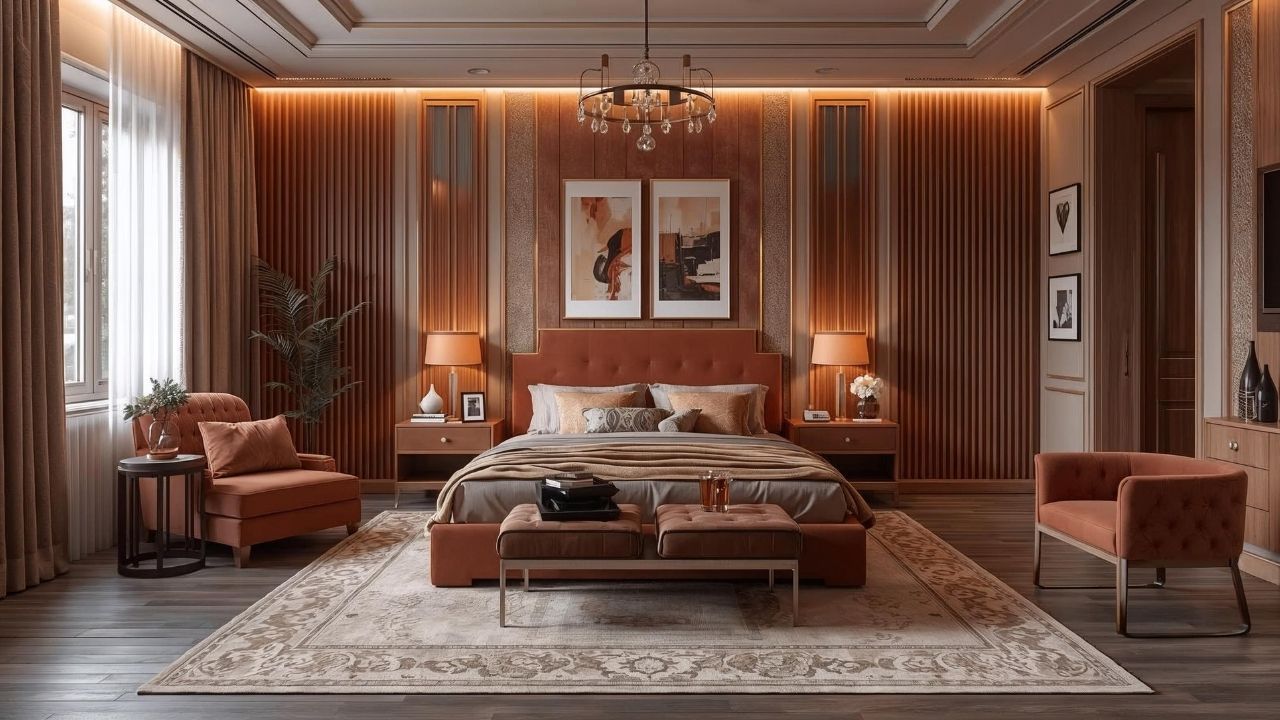
A couple’s bedroom should feel comfortable, calming, and personal for both people. It is a space meant for rest, connection, and everyday moments, so the design should reflect shared style while still feeling warm and inviting. Thoughtful decor choices help create a bedroom that feels balanced, relaxing, and easy to enjoy together. From soothing colors and cozy bedding to practical layouts, soft lighting, and meaningful details, every choice should support comfort and harmony. These bedroom ideas for couples focus on balance, warmth, and style, making it easier to design a space that works beautifully for two.
These bedroom ideas for couples focus on harmony, comfort, and style, making it easier to design a space that works beautifully for two.
Neutral Color Palettes That Feel Calming and Shared
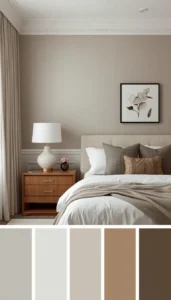
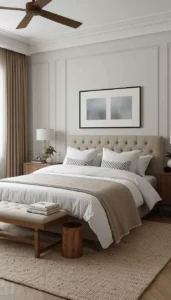
Neutral colors are a popular choice for couple bedrooms because they feel balanced and timeless. They create a peaceful foundation that works with many styles, from modern and cozy to rustic or minimal. A neutral palette also makes it easier to blend two preferences without making the room feel too bold or one sided.
Use soft warm shades
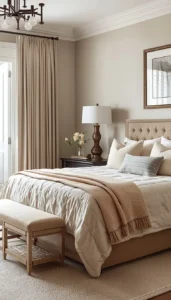
Beige, cream, and light gray create a soothing base. These colors feel gentle and easy to live with, especially in a bedroom meant for rest. Warm undertones help the room feel cozy rather than cold, making the space welcoming for both people.
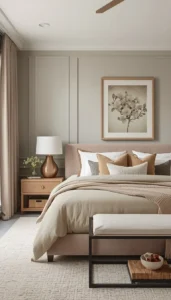
Add depth with layered tones
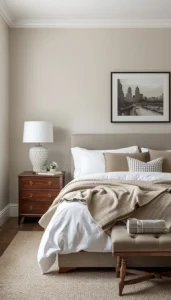
Different shades of the same color add interest. Mix warm white bedding with beige curtains, taupe pillows, or soft gray rugs for subtle dimension. Layering tones keeps the room calm while preventing the design from feeling plain or unfinished.
Keep accents subtle
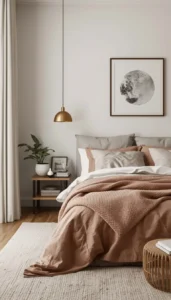
Muted colors prevent visual overload. Soft blue, sage green, dusty brown, or warm terracotta can add personality without making the room feel busy. Subtle accents are easier to agree on and help the bedroom stay peaceful and cohesive.

Cozy Bedding That Encourages Relaxation

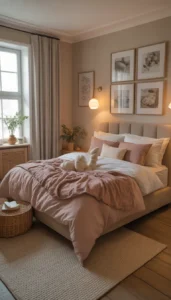
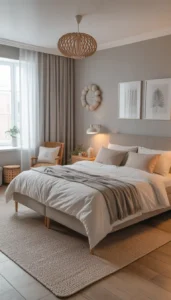
The bed is the centerpiece of a couple’s bedroom. It should feel soft, inviting, and comfortable enough for daily rest. Bedding can also set the tone for the entire room, so choose layers that feel relaxed but still polished. A cozy bed makes the space feel more intimate and welcoming.
Choose breathable natural fabrics
Cotton and linen enhance comfort. These fabrics feel soft, airy, and easy to use throughout the year. Breathable bedding helps the bed feel fresh and comfortable, which is especially important in a shared bedroom where both people may have different sleep preferences.

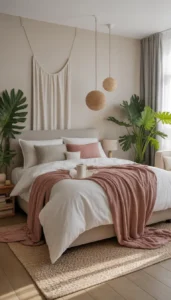
Layer bedding for warmth
Throws and extra pillows add softness. A duvet, light blanket, textured throw, and supportive pillows can make the bed feel full and inviting. Layering also gives each person more flexibility, allowing the bed to feel cozy without becoming too heavy.


Keep the look inviting
Relaxed styling feels more welcoming than rigid arrangements. Let pillows sit naturally and allow throws to drape softly across the bed. A slightly casual look makes the bedroom feel lived in, comfortable, and easy to enjoy together at the end of the day.
Balanced Furniture Layouts for Two

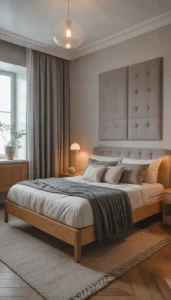
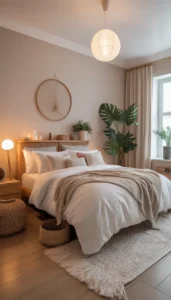
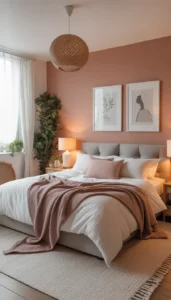
A well planned layout supports comfort and ease. In a couple’s bedroom, both people should have access, storage, and space to move comfortably. Balanced furniture placement creates a sense of order and makes the room feel more shared. The goal is a layout that feels practical without losing warmth.
Use matching nightstands
Symmetry creates visual balance. Matching or coordinating nightstands on both sides of the bed make the room feel calm and organized. They also give each person a personal surface for lamps, books, phones, or small essentials used during the night.
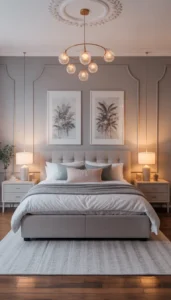
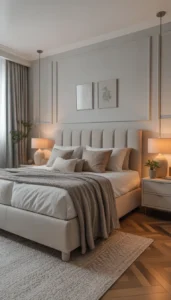
Allow space on both sides of the bed
Equal access improves functionality. When possible, leave enough room for both people to get in and out of bed comfortably. This makes the bedroom feel more practical and prevents one side from feeling cramped or less considered.
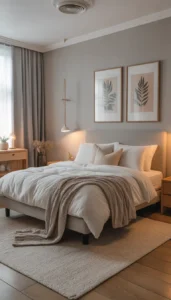
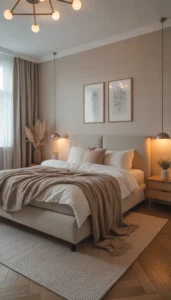
Keep pathways clear
Easy movement makes the room feel spacious. Avoid placing dressers, chairs, or storage pieces where they block daily flow. Clear pathways around the bed and toward closets or doors help the bedroom feel more open, calm, and comfortable for two.
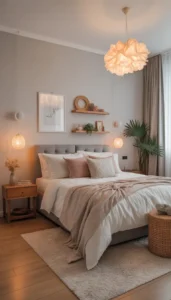

Soft Lighting That Sets a Relaxing Mood


Lighting plays a key role in creating atmosphere. A couple’s bedroom should have lighting that feels gentle, flexible, and useful for different routines. Soft light supports relaxation, while task lighting helps with reading or getting ready. Layered lighting makes the room feel warmer and more thoughtfully designed.
Use bedside lamps
They provide functional and ambient lighting. Lamps on both sides of the bed make the room feel balanced and practical. Each person can control their own light for reading, relaxing, or winding down, which adds comfort and convenience to the shared space.

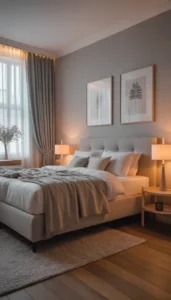
Choose warm light tones
Soft lighting encourages relaxation. Warm bulbs help neutral colors, wood finishes, and soft fabrics feel richer and more inviting. Avoid lighting that feels too bright or cool, since it can make the bedroom feel less restful and less cozy.
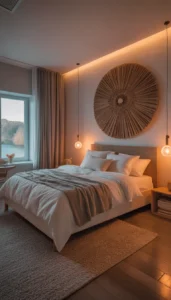
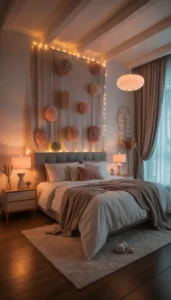
Layer different light sources
Multiple lights allow flexibility. Use bedside lamps, a ceiling fixture, wall sconces, or a small floor lamp to create different moods. Layered lighting helps the room work for quiet evenings, morning routines, and relaxed weekend moments.


Wall Decor That Reflects Shared Style
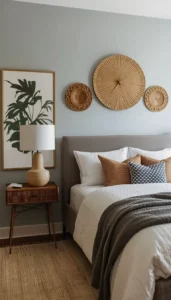
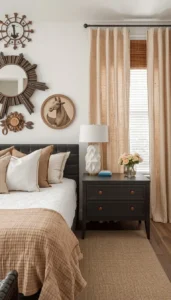
Wall decor adds personality without clutter. In a couple’s bedroom, artwork should feel calm, balanced, and meaningful to both people. The best wall decor supports the mood of the room without becoming distracting. Simple prints, framed art, mirrors, or a small gallery wall can make the bedroom feel finished.
Choose artwork with neutral themes
Calm visuals suit shared spaces. Abstract prints, soft landscapes, botanical art, or simple line drawings can add beauty without feeling too strong. Neutral themes make it easier to create a bedroom that feels personal, peaceful, and balanced.
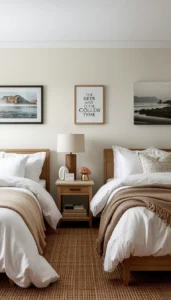
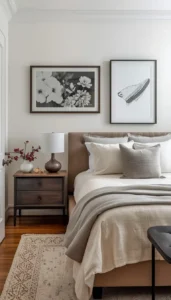
Create a simple gallery wall
A few coordinated pieces work best. Choose frames and artwork that share similar colors, tones, or materials. A smaller gallery wall above a dresser or beside the bed can add interest while keeping the room calm and visually organized.
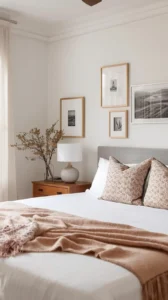
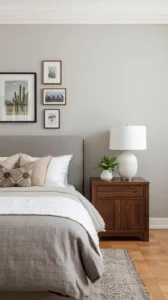
Keep spacing intentional
Balanced placement maintains harmony. Leave enough space between frames, mirrors, and furniture so the walls do not feel crowded. Thoughtful spacing helps wall decor feel polished and gives the bedroom a more relaxed, elegant look.
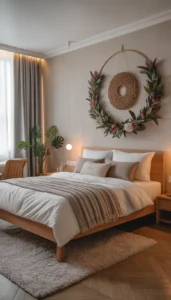
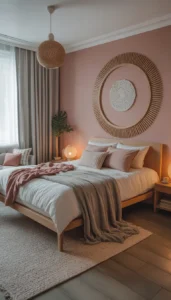
Textures That Add Warmth and Comfort
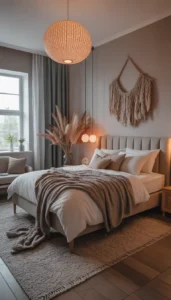
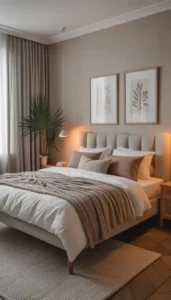
Texture enhances the cozy feel of the bedroom. Since couple bedrooms often use calm colors, texture helps add depth without relying on bold patterns. Soft textiles, rugs, curtains, woven pieces, and natural materials can make the room feel warmer and more inviting while still staying restful.
Mix soft fabrics
Combine knits, cotton, and linen. Different fabrics bring gentle depth to bedding, pillows, curtains, and throws. Mixing soft materials makes the room feel layered and comfortable, while keeping the color palette simple helps the overall design remain balanced.
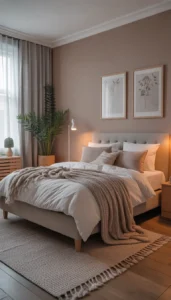
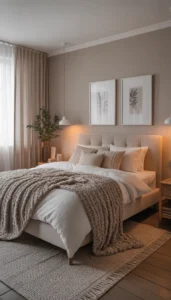
Use an area rug under the bed
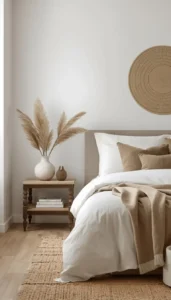
It adds warmth and comfort. A rug softens the floor, anchors the bed, and makes the room feel more complete. Choose a rug large enough to extend beyond the bed so both people can step onto a comfortable surface.
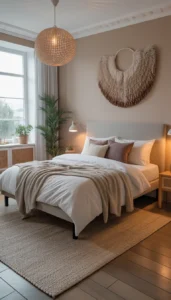
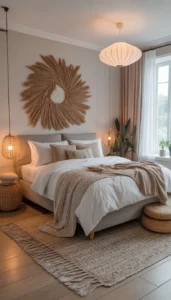
Keep textures balanced
Too many textures can feel overwhelming. Choose a few key materials and repeat them thoughtfully throughout the room. This keeps the bedroom cozy without making it feel cluttered, helping the space stay calm, warm, and easy to relax in.
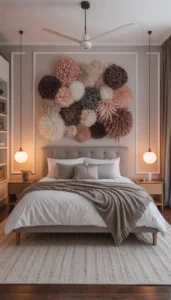
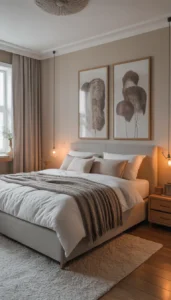
Storage Solutions That Keep the Room Organized
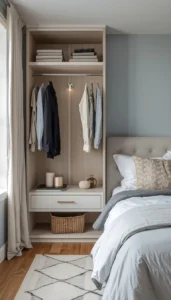
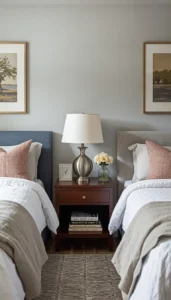
Organization helps maintain a peaceful environment. A couple’s bedroom needs storage that works for two people while keeping the room visually calm. Smart storage can reduce clutter, clear surfaces, and make daily routines smoother. The best solutions are practical but still match the bedroom’s overall style.
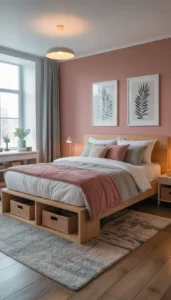
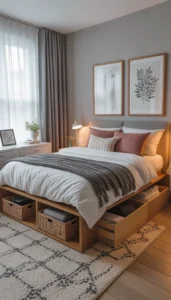
Use under bed storage
It maximizes unused space. Storage bins, drawers, or baskets under the bed can hold extra bedding, seasonal clothing, or personal items. This keeps closets and dressers less crowded while helping the bedroom stay organized and peaceful.
Choose dressers with clean lines
Simple designs feel calming. A dresser with smooth fronts, minimal hardware, and balanced proportions can provide useful storage without looking heavy. Clean lined furniture helps the bedroom feel more open and supports a restful, uncluttered atmosphere.
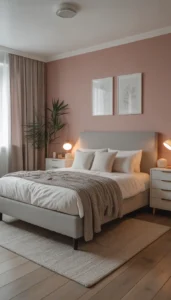
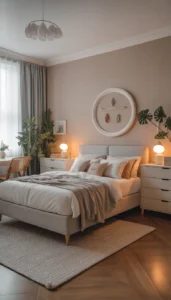
Keep surfaces clutter free
Clear spaces promote relaxation. Nightstands, dressers, and shelves should hold only the items that are useful or meaningful. Trays, baskets, and drawer organizers can help keep daily essentials contained while maintaining a calm and tidy bedroom.
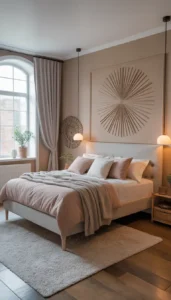
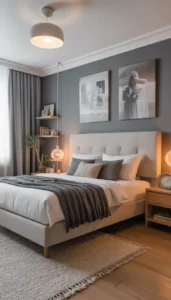
Accent Colors That Add Personality
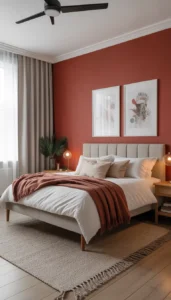
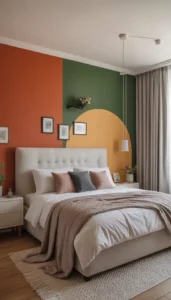
Accent colors bring character to the room. They allow a couple’s bedroom to feel personal without changing the calm foundation. Small amounts of color can reflect shared taste, add warmth, or create contrast. The key is using accents in a controlled way so the room remains restful.
Use muted tones
Soft blues, greens, or earthy shades work well. These colors feel calming and natural, making them ideal for a shared bedroom. Muted tones can add depth without dominating the room, which helps both people feel comfortable with the overall style.
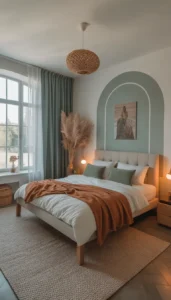
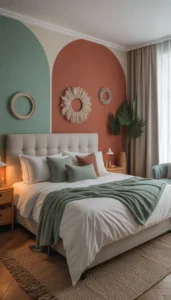
Add color through accessories
Pillows and throws are easy updates. Accent colors can also appear through artwork, lamps, rugs, or small decor pieces. Using accessories makes it simple to refresh the room over time without replacing larger furniture or changing the entire palette.
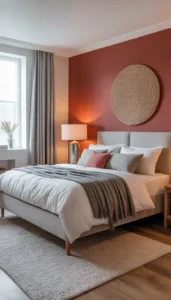
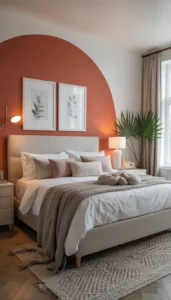
Keep accents limited
A restrained palette feels cohesive. Choose one or two accent colors and repeat them in small ways across the room. This makes the design feel intentional and prevents the bedroom from looking too busy or mismatched.
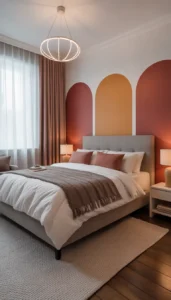
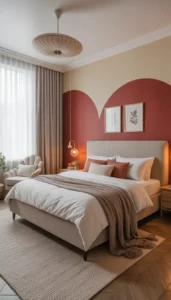
Natural Elements That Create Calm
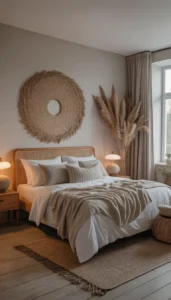

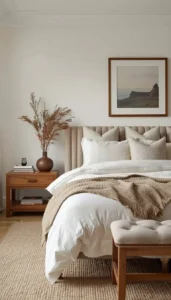
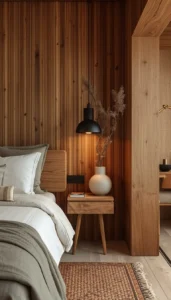
Natural materials add warmth and balance. They help a couple’s bedroom feel grounded, soft, and connected to comfort. Wood, plants, ceramics, woven textures, and natural fabrics work beautifully with neutral colors and cozy bedding. These details bring quiet character without making the room feel crowded.
Add plants for freshness
Greenery enhances the atmosphere. A small plant on a nightstand, a floor plant in a corner, or stems in a vase can add life to the bedroom. Plants soften the space and bring a natural touch that feels calming and fresh.
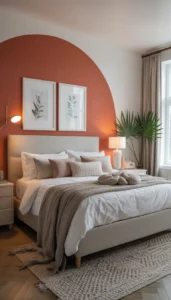
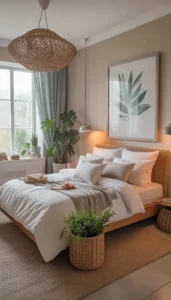
Use wood furniture or accents
Wood tones add grounding warmth. A wood bed frame, nightstand, bench, tray, or picture frame can make the room feel more inviting. Light wood feels airy, while medium or darker wood adds richness and structure.
Incorporate organic decor
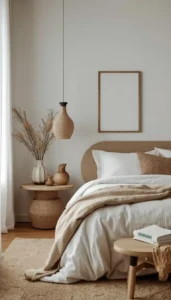
Ceramics and natural textures soften the space. Clay vases, woven baskets, stone trays, or handmade bowls add subtle interest. These pieces make the bedroom feel warm and personal while keeping the overall look relaxed and balanced.
Curtains and Fabrics That Soften the Room
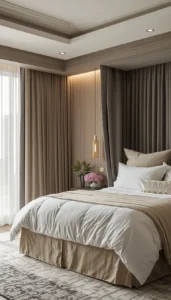
Textiles enhance comfort and privacy. Curtains, bedding, rugs, and fabric accents help make a couple’s bedroom feel softer and more complete. They also improve the atmosphere by filtering light, adding movement, and creating a sense of warmth. Thoughtful fabric choices can make the room feel calm and intimate.
Choose light flowing curtains
They create a soft and airy feel. Linen, cotton, or sheer curtains can filter daylight while maintaining privacy. Soft curtain fabrics help the bedroom feel gentle and relaxed, especially when paired with warm neutrals and cozy bedding.
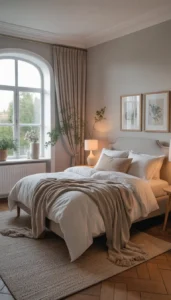

Hang curtains high
This adds visual height. Mounting curtains closer to the ceiling draws the eye upward and makes the room feel taller. Letting the fabric fall to the floor adds softness and gives the bedroom a more polished, restful appearance.
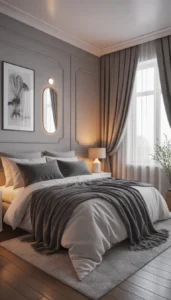
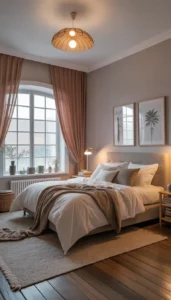
Layer fabrics thoughtfully
Subtle layering adds depth. Combine curtains, bedding, throws, and cushions in similar tones for a calm look. Layered fabrics make the bedroom feel cozy and inviting, but keeping the colors connected prevents the space from feeling too busy.
Create a Bedroom That Feels Right for Both of You
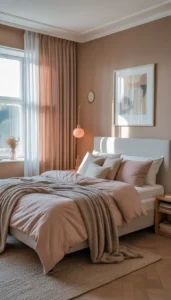
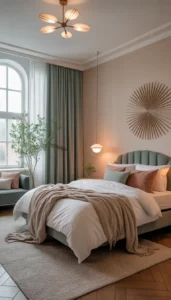
A well designed bedroom for couples blends comfort, balance, and shared style. By focusing on calming colors, cozy textures, thoughtful layouts, and practical storage, you can create a space that feels relaxing and meaningful for both people. Start with a neutral foundation, then add soft bedding, warm lighting, natural materials, and subtle accents that reflect your shared taste. Keep furniture placement balanced, surfaces clear, and decor intentional so the room feels peaceful rather than crowded. When the bedroom supports both rest and connection, it becomes a welcoming retreat that feels comfortable, stylish, and truly right for two.
If you enjoy designing intimate and comfortable spaces, exploring more bedroom and interior decor ideas can help you continue creating a home that feels welcoming and beautifully styled.
